How to Transplant Mock lime?
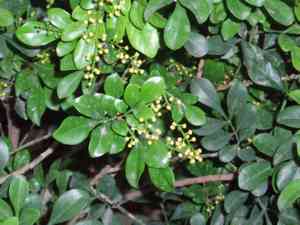
The most favorable time to relocate mock lime is during the revitalizing season when new development begins. It flourishes in filtered light, protected from severe weather conditions. Slowly introduce mock lime to its new location to guarantee a smooth adaptation.
What Preparations are Needed Before Transplanting Mock Lime?
What is the Ideal Time for Transplanting Mock Lime?
The perfect period for relocating mock lime is the revitalizing spring season, which promotes peak development. This prime moment allows mock lime to establish its root system prior to the summer's intensity. Transplanting at this time guarantees a strong base for mock lime, fostering a vibrant display that will surely charm any gardening enthusiast. Choosing this timing ensures a smooth adjustment, promoting mock lime's adaptation and vigor.
How Much Space Should You Leave Between Mock Lime Plants?
Allow a bit of generous spacing for mock lime. Aim for roughly 4-6 feet (1.2-1.8 meters) between each plant. This provides ample room for each to grow robustly without competing for sunlight or nutrients. A measuring tape could be useful here!
What is the Best Soil Mix for Mock Lime Transplanting?
Place mock lime in a soil blend that drains well, enriched with compost for nourishment. If feasible, incorporate a foundational fertilizer before planting. Slow-release granular or organic fertilizers are optimal. They gradually release nutrients, ensuring your mock lime receives a consistent food supply.
Where Should You Relocate Your Mock Lime?
Select a location that receives ample sunlight, but avoids direct exposure to harsh afternoon rays. Mock lime also tolerates partial shade, especially during very hot conditions. In such circumstances, a spot with morning sun would be advantageous for your mock lime.
What Equipments Should You Prepare Before Transplantation Mock Lime?
Gardening Gloves
To safeguard your hands while handling soil and the mock lime plant.
Hand Trowel
For excavating an appropriate hole for the plant in its new spot.
Water Can
To hydrate the mock lime plant both before and after its relocation.
Spade
For lifting the mock lime plant from its initial position.
Gardening Scissors
To trim off any dead or unhealthy sections of the mock lime plant before moving it.
How Do You Remove Mock Lime from the Soil?
How Do You Remove Mock Lime from the Soil?
From Ground: First, thoroughly water the mock lime plant so the soil around its roots becomes moist, facilitating easier removal. Use a spade to dig a wide circle around the plant, being careful not to harm the roots. Then, gently lift the plant from the ground, keeping its root ball intact.From Pot: Similarly, water the mock lime plant in its container. Carefully tilt the pot sideways and ease the plant out. If it's stuck, try tapping the pot's bottom or gently sliding a knife along the rim.From Seedling Tray: Water the seedlings to simplify their extraction. Lift each seedling by its leaves rather than the stem, as the latter could easily be damaged. Gently untangle the roots if they've grown into adjacent cells.
Step-by-Step Guide for Transplanting Mock Lime
Preparing the Hole
Dig a hole in the designated area that is twice the width and as deep as the mock lime plantâs root ball.
Inspecting the Root
Examine the root ball prior to planting, trimming off any dead or diseased roots found.
Planting
Place the mock lime plant into the hole. The top of the root ball should be level with the soil surface. Backfill the hole with soil, gently firming it around the plant's base.
Watering
After planting, water thoroughly to settle the soil and give the plant a strong start in its new location.
How Do You Care For Mock Lime After Transplanting?
Watering
Maintain consistent moisture in the soil around the mock lime for the initial few weeks following transplantation.
Pruning
Remove any branches that are dead or diseased to encourage healthy development.
Monitoring
Observe the mock lime for any indications of transplant shock, such as wilting, yellowing, or leaf drop. If noticed, provide more water and shield the plant from strong winds and direct sunlight until it recovers.
Troubleshooting Common Issues with Mock Lime Transplantation.
What is the perfect time to transplant mock lime?
The optimal period to transplant mock lime is during seasons S1-S3. This is when the plant's growth is most favorable.
How much space should I leave between my mock lime plants?
Ensure a distance of 4-6 feet (1.2-1.8 meters) between your mock lime plants. This provides ample room for healthy development.
Should I water mock lime immediately after transplanting?
Absolutely, watering mock lime right after transplanting helps alleviate shock and aids in a smoother transition to its new environment.
What kind of soil is best for transplanting mock lime?
Mock lime thrives in well-draining soil. Therefore, a mix of loamy or sandy soil is ideal for its growth and longevity.
Why are my transplanted mock lime plants wilting?
Wilting after transplant might be due to 'transplant shock'. Minimize this by watering thoroughly and providing shade for the first few days after transplanting.
How deep should I plant my mock lime during transplanting?
When transplanting mock lime, the hole should be approximately twice the size of the root ball. This ensures proper root establishment.
Can I prune mock lime during the transplanting process?
Yes, light pruning during transplanting mock lime can stimulate growth. However, avoid severe pruning as it can hinder the plant's development.
Why is my transplanted mock lime not showing any growth?
A post-transplant delay in growth is common for mock lime. It's likely focusing on establishing roots. Allow it time, and maintain adequate water and nutrient supply.
How should I care for mock lime post-transplant during the first few weeks?
Water regularly, keep the plant in shaded areas for the initial few days, and provide necessary nutrients to ensure healthy growth after transplant.
Is it a good idea to add compost or fertilizer immediately before transplanting mock lime?
Yes, incorporating compost or slow-release fertilizer before transplanting mock lime is beneficial. It ensures a steady supply of nutrients aiding in proper root establishment.



