How to Prune Mock lime?
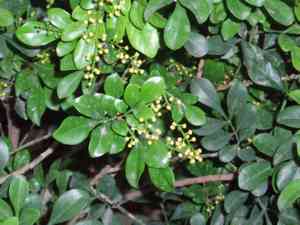
Distinguished by its aromatic yellow blossoms, mock lime is a bush prized for decorative purposes. Trimming ought to concentrate on eliminating lifeless or compromised branches and sculpting for a dense structure. The perfect period for pruning is winter, during the plant's inactive phase, fostering robust spring development. Essential maintenance involves sanitizing implements to avert pathogen transmission. Pruning aids mock lime by improving air circulation, mitigating insect problems, and stimulating profuse blooming.
Advantages of Trimming Mock Lime
Advantages of Trimming Mock Lime
Trimming mock lime promotes robust development and maintains its desired form. Appropriate cutting can encourage healthier, denser leaves, and may lead to more abundant blooms, ensuring mock lime stays compact and visually appealing.
Optimal Time for Pruning Mock Lime
Optimal Time for Pruning Mock Lime
Cutting mock lime in late winter coincides with its dormant phase, just before spring growth begins. During dormancy, the absence of active foliage allows gardeners to easily assess the plant's structure and make precise cuts. This timing minimizes stress on mock lime and prevents the removal of new buds that will become flowers. Pruning before spring also stimulates vigorous new growth and helps maintain the plant's health and shape. Avoid pruning in autumn, as new growth might not harden off sufficiently for cold weather.
Tools Required for Pruning Mock Lime
Bypass Pruners
These pruners are perfect for making clean cuts on mock lime's young, green wood. The bypass action, similar to scissors, where two sharp blades slide past each other, minimizes bark damage.
Hand Shears
For shaping mock lime and light trimming, hand shears provide precision and are less likely to harm smaller branches.
Pruning Saw
When dealing with mature or thick branches of mock lime, a pruning saw can make cleaner, more efficient cuts without damaging the plant.
Pole Pruner
If mock lime has grown into a taller shrub or small tree, a pole pruner allows for trimming higher branches without needing a ladder.
How to Prune Mock Lime
Sanitize Tools
Before beginning the pruning process, disinfect all cutting tools to prevent the spread of disease to or from mock lime. Use a solution of one part bleach to nine parts water or alcohol wipes to thoroughly clean blades.
Identify Parts
Carefully examine mock lime to locate all dead and diseased branches. Look for branches that show signs of discoloration, are brittle, or have visible indications of fungal growth or insect damage.
Cut Dead Branches
Using sanitized pruning shears, start by removing dead branches. Cut the branches at their base, close to the main stem or trunk of mock lime, without cutting into healthy tissue to promote faster healing.
Cut Diseased Branches
Next, remove diseased branches, cutting them back to healthy wood. If only a portion of a branch is affected, make the cut at least 6 inches into the healthy part to ensure all diseased tissue is removed.
Disposal
Collect and dispose of all removed dead and diseased branches away from mock lime to minimize the risk of disease spread. Do not compost diseased plant material.
Common Pruning Errors with Mock Lime
Over-Pruning
Removing too much foliage from mock lime can weaken the plant, leading to reduced flowering and increased vulnerability to pests and diseases.
Improper Cut Placement
Incorrect placement of cuts can damage the main stems, leaving mock lime susceptible to infection or negatively impacting its natural shape.
Using Dull Tools
Pruning with dull or dirty tools can create jagged cuts that heal poorly, making mock lime more prone to disease.
Ignoring Dead Material
Failing to regularly remove dead or diseased branches can impede mock lime's growth and overall health.
Neglecting Hygiene
Not sanitizing tools between cuts and plants can spread pathogens, potentially introducing diseases to mock lime.
General Pruning Advice for Mock Lime
Sharp Tools
Always use sharp, clean pruning shears to make clean cuts that heal quickly, reducing the chance of disease entering mock lime.
Selective Pruning
Focus on thinning out crowded branches to improve air circulation and sunlight penetration, which promotes the health and flowering of mock lime.
Cutting Angle
Prune branches at a 45-degree angle, just above a leaf node, to encourage new growth and prevent water accumulation on the cut surface of mock lime.
Consistent Maintenance
Regularly inspect mock lime for dead, damaged, or diseased branches and remove them promptly to maintain plant vigor.
Rejuvenation Pruning
If mock lime has become overgrown or woody, practice rejuvenation pruning by removing older stems to stimulate new growth and rejuvenate the plant's appearance.



