How to Propagate Mock lime?
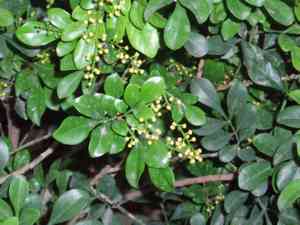
Mock lime, featuring its subtle yellow flowers and aromatic foliage, is highly valued for its modest dimensions and appealing bloom. For horticulturists keen on growing this delightful decorative bush, propagation is typically accomplished via cuttings. Utilizing semi-hardwood stem cuttings that have just started to harden offers the highest chance of successful rooting. It is essential to prepare cuttings with sterilized and sharp tools to avoid injury and infections. The severed stem should then be placed in a potting medium that drains effectively, making sure the surroundings remain moist until significant root growth is observed. Perseverance is vital, as mock lime might require a period to establish a complete root system.
When Is the Optimal Time to Propagate Mock Lime?
Propagation Type
Cutting
Propagation Season
Autumn,Winter
What Tools Are Utilized for Mock Lime Propagation?
Sharp pruning shears
These shears are vital for making clean cuts on mock lime stems or branches during propagation. A precise cut prevents tissue damage, lowers infection risk, and promotes quicker healing and root formation. Sharpness ensures accurate cutting without undue plant stress.
Rooting hormone
Rooting hormone greatly aids in stimulating root growth from mock lime cuttings. Applying it to the stem's cut end significantly boosts rooting success. This tool is crucial for encouraging controlled and effective root development, especially for hardwood or semi-hardwood cuttings.
Sterile potting mix
Employing a sterile potting mix ensures mock lime cuttings are placed in a pathogen-free environment, fostering healthier growth and reducing soil-borne disease chances. This medium should be light, well-draining, yet capable of retaining enough moisture for initial root development.
Propagation tray
A propagation tray serves to organize and hold multiple mock lime cuttings within a confined space. Trays facilitate even moisture distribution and, with a humidity dome, help maintain high humidity levels around cuttings, which is essential for their survival and root establishment.
Humidity dome
Covering propagation trays with a humidity dome helps maintain the necessary high humidity for mock lime cuttings. This prevents rapid moisture evaporation, keeping the environment moist, which is critical for cuttings before their root systems are established.
Heat mat
A heat mat assists in providing a consistent heat source often needed to maintain optimal soil temperature for rooting mock lime cuttings. This is particularly beneficial in cooler climates or during colder months, as it encourages root growth by warming the soil to an appropriate temperature.
How to Propagate Mock Lime?
Propagation Type
Moderately Difficult
How to Care for Your Newly Propagated Mock Lime?
How to Care for Your Newly Propagated Mock Lime?
Once mock lime has developed roots, gradually introduce the plant to less humid conditions by opening the plastic bag or removing the humidity dome over about a week. After full acclimation, care for mock lime by providing bright, indirect light, maintaining consistent moisture in the soil without waterlogging, and fertilizing with a balanced feed during the growing season. Shield mock lime from extreme temperatures and drafts.
Common Errors to Avoid When Propagating Mock Lime
Overwatering
Excessive watering during propagation can lead to root rot, which is harmful to mock lime's delicate cuttings or seedlings.
Poor cutting selection
Choosing weak or diseased cuttings will hinder successful rooting and growth, resulting in propagation failure.
Neglecting humidity
Mock lime thrives in moist conditions. Failing to maintain high humidity can cause cuttings to dry out and perish.
Planting too deep
Inserting mock lime cuttings too far into the substrate can reduce oxygen availability and encourage fungal infections.
Using unsterilized tools
Propagating with contaminated tools can introduce pathogens to mock lime, jeopardizing its health.
Tips For Propagating Mock Lime
Semi-hardwood cuttings
Choose healthy, semi-hardwood stems for cuttings to improve the likelihood of successful rooting for mock lime.
Rooting hormone
Applying rooting hormone can promote faster and more dependable root development for mock lime cuttings.
Moist medium
Plant mock lime cuttings in a moist, well-draining propagation medium to prevent waterlogging while retaining adequate moisture.
Indirect light
Provide mock lime with bright, indirect sunlight to support growth without scorching the tender cuttings or seedlings.
Sterilized equipment
Always use sterilized pruning shears or knives to cut mock lime plant parts for propagation to prevent disease spread.



