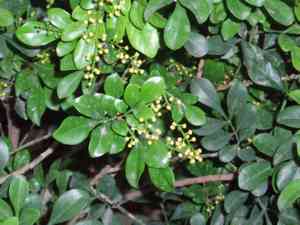
Mock lime (Aglaia odorata)
Also known as: Chinese Perfume Plant, Mock Lemon, Chinese Rice Flower
Aglaia odorata, also known as mock lime, originates from regions including China, Vietnam, Cambodia, Thailand, Myanmar, and Indonesia. This plant is often sold as a houseplant and is cultivated for its fragrant extracts, which are used in perfumes for clothing and cigarettes, as well as in organic herbicides.
In This Article
Attributes of Mock lime
Lifespan
Perennial
Plant Type
Tree
Plant Height
2 m to 5 m
Spread
1.2 m to 1.8 m
Leaf Color
Green
Flower Size
2 mm
Flower Color
Yellow
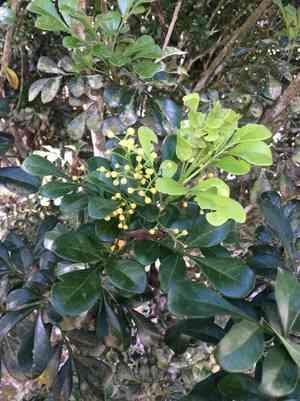
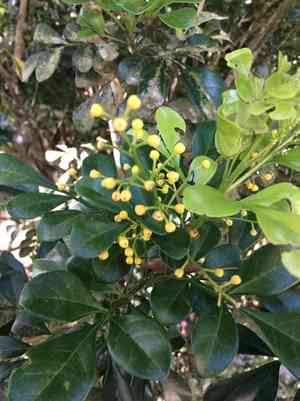
Images of Mock lime
Quickly Identify Mock lime
1
Identify Aglaia odorata by its small, yellow, star-shaped flowers and glossy, dark green leaves. The plant has a dense, bushy growth habit and emits a strong, sweet perfume.
Scientific Classification of Mock lime
Phylum
Vascular plants
Class
Dicotyledons
Order
Maples, mangos, mahogany, citrus, and allies
Family
Mahogany
Genus
Chinese Perfume Plant
Species
Mock lime
Planting and Growing of Mock lime
Care Difficulty
Easy
Watering Schedule
Every 2 days
Sunlight Requirements
Partial sun
Sunshine Duration
4-8 hours
Ideal Temperature
68-77℉
Soil Type
Potting Mix, Peat Mix
Soil pH
6.5-7.5
Fertilizer Type
Balanced
Pruning Season
Spring, Summer
Pruning Area
Branches, Leaves
Pruning Frequency
2 times a year
Repotting Season
Spring
Pot Type
Plastic, Ceramic
 How to Water Mock lime?
Aglaia odorata needs a moderate amount of water, around 500 ml each time. Ensure the soil is evenly moist but not waterlogged. It's better to let the top inch of soil dry out slightly before the next watering to prevent root rot.
What are the symptoms of an underwatered Mock lime?
›
What should I do if my Mock lime is not getting enough water?
›
What are the symptoms of an overwatered Mock lime?
›
How to save an overwatered Mock lime?
›
 What Are the Sunlight Requirements for Mock lime?
Partial sun is the ideal light range, providing balanced exposure that fosters robust growth and flowering. This ensures optimal health and vigor for Aglaia odorata.
More About Sunlight Requirements Techniques→
What is the ideal lighting for Aglaia odorata?
›
How can you ensure optimal lighting?
›
What are the benefits of ideal lighting?
›
 What Is the Ideal Temperature Range for Mock lime?
The ideal temperature range for growing Aglaia odorata is between 68°F to 77°F. This range supports optimal growth and overall health of the plant, facilitating both flowering and foliage development. It is crucial to maintain consistent temperatures within this range to avoid stress on the plant.
 What Soil is Best for Mock lime?
Aglaia odorata thrives in well-drained soil, preventing water from stagnating around the roots. This helps avoid root rot and supports healthy growth. The plant prefers moderately fertile soil to ensure a steady nutrient supply. Overly rich soil may lead to excessive foliage growth with less flowering. While good drainage is crucial, the soil should also retain enough moisture to keep the roots hydrated without being soggy.
 How to Fertilize Mock lime?
When fertilizing Aglaia odorata, use a balanced liquid fertilizer such as 10-10-10. For each application, mix 1 teaspoon of the fertilizer per gallon of water. For solid fertilizers, apply according to the package instructions, as over-application can damage the plant.
 How to Prune Mock lime?
Begin by identifying branches that are dead, diseased, or damaged. These should be your primary targets for removal. Look for branches that cross or rub against each other, as these can cause wounds that may invite diseases. Trim back excessive growth to encourage a tidy, compact appearance. Selectively thin out crowded areas to improve light penetration and airflow; this stimulates new growth, leading to a healthier plant. For a pleasing aesthetic shape, trim the plant to maintain a rounded form. Cutting the plant back slightly above leaf nodes ensures new growth emerges in a controlled and attractive manner.
More About Pruning Techniques→
 How to Propagate Mock lime plant?
1
First, collect healthy seeds from mature Aglaia odorata plants. Ensure the seeds are plump and undamaged, as these have the best chance of successful germination. Store them in a cool, dry place until you are ready to plant.
2
Take cuttings from a healthy Aglaia odorata plant using sterilized pruners. Choose semi-hardwood cuttings about 4-6 inches long. Remove leaves from the lower half to prevent rot when planting.
3
Fill pots with a well-draining potting mix. Plant the seeds just beneath the soil surface or insert cuttings into the soil, ensuring they are stable. Water lightly to settle the soil around the seed or cutting.
 How to Repot Mock lime plant?
1
Aglaia odorata needs repotting when roots start circling the pot or growing out of the drainage holes. Another signal is reduced growth rate or yellowing leaves despite adequate care. Early spring to summer is ideal, offering time to recover and establish.
2
Select a pot that is one size larger than the current one, with ample drainage holes. A slightly larger pot prevents waterlogging, benefiting the plant's root health. The new pot should provide stability to support the plant as it grows.
3
Opt for a well-draining potting mix that retains some moisture but doesn't get soggy. A mix enriched with organic matter enhances nutrient absorption and mimics the plant's native habitat, promoting healthy growth and vibrant foliage.



