Enhancing Your Garden Design with the Mock lime Plant: A Landscaping Guide
1
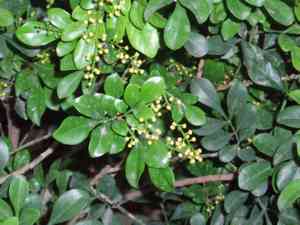
Mock lime enhances the visual appeal and practical utility of any garden layout.
2
Proper positioning of Mock lime requires knowledge of its light and area needs.
3
Combining Mock lime with suitable plants and elements can improve your garden's appearance.
Introducing Mock Lime in Garden Design
Understanding the distinct characteristics of Mock lime that enhance landscape aesthetics.
A primary reason gardeners and designers appreciate Mock lime is its unique qualities. Mock lime features dense, evergreen foliage, offering year-round color and texture to any outdoor space. Its compact growth habit suits various garden styles, from formal hedges to informal groupings. Furthermore, Mock lime requires relatively little upkeep, making it an excellent option for those seeking beauty without extensive effort.
The contribution of Mock lime to creating visually pleasing outdoor spaces.
Mock lime plays a crucial role in landscape designs, fulfilling both aesthetic and practical functions. Its subtle scent and bright, glossy leaves can become a garden's focal point. When planned carefully, Mock lime can establish striking visual contrasts with other plants, add depth and layers to the garden layout, and even serve as a living backdrop for other decorative elements.
Optimal Placement of Mock Lime in Gardens and Yards
Identifying prime locations for planting Mock lime to maximize its visual appeal.
To enhance Mock lime's visual appeal, consider planting it where its evergreen foliage can be enjoyed throughout the year. Ideal spots include borders, near garden seating, or as a central feature in mixed beds. Planting in groups or rows can form an attractive hedge, providing privacy and structure.
How light exposure influences Mock lime's growth and appearance.
Sunlight is vital for maintaining Mock lime's vibrant look. Ideally, this plant thrives in partial to full sun. However, excessive direct sunlight can scorch its leaves, while too much shade can lead to leggy growth. Observing your garden's daily sun patterns will help position Mock lime to receive balanced light, ensuring healthy growth and lush foliage.
Companion Plants and Features for Mock Lime
Discovering plants that complement Mock lime to boost your garden's biodiversity.
Choosing companion plants to pair with Mock lime can improve your garden's overall look and health. Consider plants like ferns, hostas, or perennial flowers that offer contrasting textures and colors. These companions not only enhance visual appeal but also contribute to garden biodiversity, fostering a balanced and thriving ecosystem.
Utilizing landscape elements such as rocks, water features, and benches to complement Mock lime.
Landscaping involves more than just plantsâintegrating features like rocks, water elements, and benches can elevate your garden design. Placing a bench near Mock lime allows you to enjoy its fragrance and beauty up close. Similarly, adding a nearby water feature can reflect its lush green leaves, creating a calming and picturesque garden scene.
Seasonal Considerations for Mock Lime in Landscape Designs
What to anticipate from Mock lime during different seasons and how to prepare.
Each season brings changes, and Mock lime is no exception. During spring and summer, expect vigorous growth and possibly small, fragrant blooms. In autumn and winter, its evergreen leaves retain their color, but preparing for potential frost is crucial. Applying mulch around the base before winter can protect its roots and maintain soil moisture.
Advice for preserving Mock lime's aesthetic value throughout the year.
To ensure Mock lime remains attractive year-round, consistent maintenance is essential. Prune any unruly branches to maintain its shape, and remove dead or yellow leaves to keep it looking vibrant. Proper watering and occasional feeding with a balanced fertilizer can also support its health and appearance through the changing seasons.
Benefits of Including Mock Lime in Eco-friendly Landscaping
How incorporating Mock lime can contribute to creating a sustainable landscape.
Integrating Mock lime into your garden is a step toward sustainability. Its dense foliage helps reduce soil erosion, and as a low-maintenance plant, it requires less water and fewer chemical treatments compared to more delicate species. This minimal intervention approach promotes a healthier environment for both the garden and its surrounding ecosystem.
The advantages of Mock lime for local wildlife and ecological balance.
Mock lime also offers ecological benefits by providing a habitat for local wildlife. Birds may nest within its dense foliage, and pollinators like bees are drawn to its flowers. By including Mock lime in your landscape, you support biodiversity and help maintain the ecological balance in your area.



