How to Transplant Lesser snakeroot?
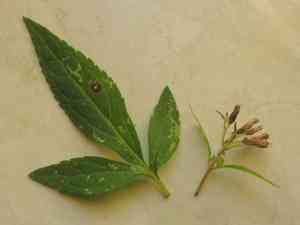
Ageratina altissima flourishes optimally when relocated between the beginning and end of spring, capitalizing on moderate temperatures and ample precipitation. Select a site offering full sun to partial shade, featuring soil that drains effectively, to guarantee successful establishment and robust development.
Essential Preparations Before Relocating Lesser Snakeroot?
When is the Best Period for Relocating Lesser Snakeroot?
The prime window for relocating lesser snakeroot spans from early spring through its later stages. Moving the plant during this time allows its root system to become established prior to the intense warmth of summer. This leads to more robust development and abundant blooms, making it an opportune approach for successful perennial cultivation.
What is the Recommended Spacing Between Lesser Snakeroot Plants?
For your lesser snakeroot, aim to position each plant approximately 18-24 inches (45-60 cm) apart. This provides ample room for them to grow and expand their attractive foliage without becoming overcrowded.
What is the Optimal Soil Blend for Lesser Snakeroot Relocation?
Prepare well-draining soil enriched with compost or organic material for your lesser snakeroot. They prefer soil pH levels ranging from slightly acidic to neutral, ideally between 6.0 and 7.0. Incorporating a balanced 10-10-10 fertilizer into the soil yields excellent results!
Where Should You Replant Your Lesser Snakeroot?
Select a location for your lesser snakeroot that receives full sun to partial shade. Ideally, they flourish in spots that get at least 6 hours of sunlight daily. Ensure it's a place where they can thrive and truly absorb the sun's energy!
What Tools Are Necessary Before Relocating Lesser Snakeroot?
Gardening Gloves
To safeguard your hands while handling soil and the plant.
Shovel or Spade
For digging around the plant and preparing the new planting site.
Trowel
To assist in loosening soil around the plant and at the new spot if required.
Watering Can or Hose
To hydrate the plant before and after its relocation.
Compost or Organic Matter
To enrich the new planting area and foster healthy root development.
Bucket or Container
To temporarily hold the plant if necessary during the relocation process.
How to Extract Lesser Snakeroot from the Ground?
How to Extract Lesser Snakeroot from the Ground?
From Ground: First, moisten the soil surrounding the lesser snakeroot plant to make it damp. This helps minimize transplant shock and makes the soil easier to manage. Use a shovel or spade to excavate a wide trench around the plant. Ensure the trench is deep enough to encompass most of the root system. Carefully work your spade beneath the root ball and lift the plant from its spot, striving to keep the root ball as intact as possible.From Pot: Water the plant thoroughly several hours before relocating. Gently remove the lesser snakeroot plant from its container by inverting the pot and tapping its base. If the plant is root-bound, you might need to carefully separate the roots.From Seedling Tray: Water the seedlings well before beginning. Use a small trowel or your fingers to carefully lift each lesser snakeroot seedling from the tray, making sure to retain as much of the original soil around the root system as possible.
Step-by-Step Guide for Relocating Lesser Snakeroot
New Site Preparation
Prepare the new planting location by digging a hole that is twice as wide and the same depth as the lesser snakeroot plant's root ball. Incorporate some compost or organic material into the soil to enhance its fertility and structure.
Extraction
Carefully remove the lesser snakeroot plant from its original spot as detailed in the removal procedure section.
Planting
Position the lesser snakeroot plant into the prepared hole at the same depth it was previously growing. Backfill the hole around the plant with soil, gently pressing down to eliminate air pockets.
Watering
Thoroughly water the lesser snakeroot plant after planting to help settle the soil and reduce transplant shock.
How to Care for Lesser Snakeroot After Relocation?
Watering
Keep the soil around the lesser snakeroot consistently moist, but not waterlogged, for the initial few weeks post-relocation to aid in establishing strong roots.
Mulching
Apply a layer of mulch around the base of the lesser snakeroot plant to help retain soil moisture and regulate temperature.
Monitoring
Regularly inspect the lesser snakeroot plant for indications of stress, such as wilting or yellowing leaves, and address any issues promptly.
Feeding
After a few weeks, consider providing the lesser snakeroot plant with a balanced fertilizer to encourage robust growth.
Addressing Common Issues with Lesser Snakeroot Relocation.
When is the best time to relocate lesser snakeroot?
Early to late spring is ideal, allowing roots time to establish before summer heat.
What kind of soil does lesser snakeroot prefer?
Lesser snakeroot thrives in well-drained soil with a pH of 6.0-7.0.
How much spacing is needed when relocating lesser snakeroot?
Plant lesser snakeroot 18-24 inches (45-60 cm) apart for healthy growth and air circulation.
How should I prepare the soil for lesser snakeroot?
Loosen the soil to a depth of 8-10 inches (20-25 cm) and mix in compost.
What should I do if lesser snakeroot's leaves start yellowing?
Ensure proper watering; too much or too little can cause yellowing. Check soil moisture.
How can I protect relocated lesser snakeroot from pests?
Use organic insect repellents and check regularly for pests like aphids and spider mites.
Why are the new relocated lesser snakeroot wilting?
Wilting may indicate transplant shock. Ensure they are watered adequately and shaded from strong sun initially.
How deep should I plant lesser snakeroot's roots?
Plant lesser snakeroot at the same depth it was previously growing to avoid root stress.
Should I fertilize lesser snakeroot after relocating?
Wait a few weeks post-relocation before fertilizing to prevent root burn and stress.
How often should I water lesser snakeroot after relocating?
Water lesser snakeroot deeply once a week, or when the top 2 inches (5 cm) of soil are dry.



