How to Propagate Lesser snakeroot?
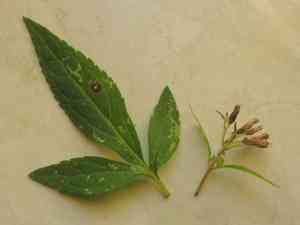
Lesser snakeroot thrives when propagated via cuttings, a technique utilizing sections from a vigorous specimen. These cuttings ought to ideally comprise a stem portion featuring mature foliage. They require placement in a substrate that offers good drainage, maintained in an environment characterized by elevated humidity and diffused illumination. This approach fosters strong root formation and enhances the probability of successful propagation.
Optimal Period for Lesser Snakeroot Propagation
Propagation Method
Cutting
Propagation Season
Spring,Summer
Equipment for Lesser Snakeroot Propagation
Sharp Pruning Shears
Utilized for making clean, precise cuts on 'lesser snakeroot' when taking sections. Sharp blades minimize plant tissue damage, aiding better healing and root growth. Sterilizing shears before use helps prevent disease transmission between plants.
Rooting Hormone Powder
Applied to the cut ends of 'lesser snakeroot' cuttings to stimulate rapid root formation and boost propagation success rates. The hormone accelerates root development beyond natural rates, vital for cutting viability.
Well-Draining Propagation Medium
A blend, such as perlite, vermiculite, and peat moss, offers the ideal balance of moisture retention and aeration for 'lesser snakeroot' rooting. It's crucial for preventing rot in new cuttings and ensuring sufficient oxygen reaches developing roots.
Plastic Covers or Humidity Domes
These create a high humidity environment around 'lesser snakeroot' cuttings, essential for preventing water loss from leaves until roots form. Controlled humidity promotes successful rooting by reducing stress during the critical development phase.
Heating Mats (optional)
For propagation in cooler conditions, heating mats can maintain a consistent soil temperature to assist 'lesser snakeroot' rooting. Optimal temperatures stimulate root growth, especially beneficial during colder seasons or in suboptimal thermal settings.
Propagating Lesser Snakeroot
Propagation Type
Easy
Post-Propagation Care for Lesser Snakeroot
How to Care for Your Newly Propagated Lesser Snakeroot?
After propagation, gradually introduce lesser snakeroot to more direct sunlight and less frequent watering to mimic its natural environment. Ensure excellent drainage in its permanent spot and apply a balanced, slow-release fertilizer annually at the start of the growing season. Regular pest and disease checks will keep lesser snakeroot healthy. As a native woodland plant, lesser snakeroot prefers partial shade and tolerates various well-drained soil types.
Common Propagation Errors for Lesser Snakeroot
Overwatering cuttings
Excessive moisture can lead to root rot and fungal issues, impeding the rooting process for lesser snakeroot. A proper balance is vital for healthy root development.
Using non-sterile tools
Unsterilized gardening tools can introduce pathogens to lesser snakeroot, potentially causing diseases that hinder propagation success.
Improper cutting selection
Choosing weak or diseased stems for propagation can result in poor root development and low survival rates for lesser snakeroot cuttings.
Ignoring humidity needs
Failure to maintain adequate humidity levels can cause lesser snakeroot propagating material to dry out, leading to poor root formation and slower growth.
Advice for Propagating Lesser Snakeroot
Use healthy parent plants
Always choose robust and vigorous parent plants for cuttings. This increases the likelihood of successful rooting and healthy growth in lesser snakeroot.
Maintain optimal humidity
Keeping the environment sufficiently humid helps prevent lesser snakeroot cuttings from drying out, crucial for successful root development.
Sterilize cutting tools
Always sanitize pruning shears or knives before cutting stems to prevent disease spread to lesser snakeroot.
Monitor watering
Ensure the soil is moist but not waterlogged. Overwatering can cause root rot, so proper water management is essential for lesser snakeroot.



