How to Prune Lesser snakeroot?
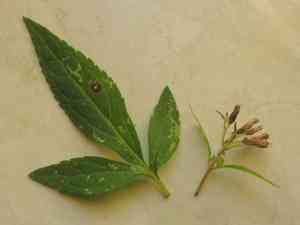
Ageratina altissima, recognized for its fragrant qualities and historical medicinal applications, thrives with consistent trimming to sustain its robust development and structure. The most suitable times for pruning are during spring and summer, coinciding with its periods of active growth. At these times, remove any deceased or excessively long branches to encourage more vibrant foliage and amplify its therapeutic attributes. Deliberate pruning guarantees that Ageratina altissima stays strong and avoids becoming too dense, thereby improving airflow and lowering the chance of illness.
What Are the Benefits of Pruning Lesser Snakeroot?
What Are the Benefits of Pruning Lesser Snakeroot?
Trimming lesser snakeroot encourages robust development and helps maintain its desired form. Regular cutting back promotes denser foliage, supports optimal health, and enhances the plant's visual appeal.
What Is the Best Time for Pruning Lesser Snakeroot?
What Is the Best Time for Pruning Lesser Snakeroot?
Pruning lesser snakeroot in Spring and Summer aligns with its active growth phase, facilitating robust regeneration and healing post-trimming. Spring pruning aids in removing any winter damage and shaping the plant prior to new growth. Summer pruning, performed after the initial growth spurt, helps maintain shape, manage size, and improve air circulation within the plant, thus enhancing overall health and preventing disease.
What Tools Do I Need to Prune Lesser Snakeroot?
Hand Pruners
Ideal for cutting through the thinner stems of lesser snakeroot, which typically have delicate branches. Hand pruners provide precise control to make clean cuts that help prevent damage to the plant structure.
Pruning Shears
Best for shaping and maintaining the desired appearance of lesser snakeroot. These shears facilitate quick trimming of excess branches and help manage the plant's growth efficiently.
Loppers
Useful for reaching deeper or higher parts of lesser snakeroot where extended reach is necessary. Loppers have long handles which make it easier to prune without disturbing the rest of the plant.
How to Prune Lesser Snakeroot
Identify
Identify diseased, withered, or unhealthy parts including leaves and stems on lesser snakeroot. Carefully inspect lesser snakeroot for any signs of disease, discoloration, or significant wear that differentiate the unhealthy segments from the healthier growth.
Disinfect
Before starting the pruning process, disinfect your pruning tools. Use a solution of 1 part bleach to 9 parts water or rubbing alcohol to wipe down the blades. This prevents the transmission of diseases between different parts of lesser snakeroot or other plants.
Trim leaves
Using your sanitized tools, start by trimming off all diseased and withered leaves from lesser snakeroot. Make clean cuts at the base of each leaf stem to avoid tearing that could further damage the plant.
Trim stems
Proceed to cut away diseased stems. Make cuts at an angle, just above a healthy leaf node or bud, ensuring not to damage the node. This angled cut promotes healthier regrowth and reduces the chance of water accumulating on the surface and causing rot.
Cleanup
Collect all removed leaves and stems and dispose of them properly, preferably in sealed bags, to prevent the spread of any pathogens. Avoid composting if you suspect serious disease. Clean and disinfect your tools after finishing to maintain their condition for future use.
Common Pruning Mistakes with Lesser Snakeroot
Overpruning
A frequent mistake when pruning lesser snakeroot is removing too much growth in one session. This can stress the plant excessively, potentially leading to reduced vigor and less flowering.
Improper cutting techniques
Using dull or unclean cutting tools can create jagged or torn cuts on lesser snakeroot, risking infection and impeding the plant's natural healing process.
Neglecting shaping
Failing to consider the natural form of lesser snakeroot when pruning can result in a misshaped, unattractive plant. This often occurs when cuts are made without planning or visualizing the plant's overall structure.
Common Pruning Tips for Lesser Snakeroot
Selective cutting
Focus on selective cutting of lesser snakeroot, targeting only dead, diseased, or overly crowded stems. This maintains the health and aesthetic of the plant while encouraging more vigorous growth and bloom.
Tool maintenance
Always use sharp, clean pruning shears. Before beginning, sterilize the blades to prevent the spread of disease and ensure smooth, clean cuts that promote faster healing.
Incremental pruning
Approach pruning in gradual stages, especially if substantial size reduction is necessary. Make several smaller pruning efforts spaced over time rather than removing a large portion of the plant at once.



