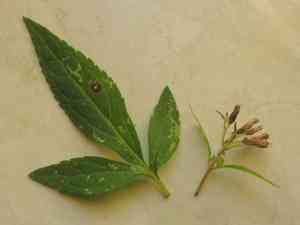
Lesser snakeroot (Ageratina aromatica)
Also known as: Smaller white snakeroot
Ageratina aromatica, commonly referred to as lesser snakeroot or small-leaved white snakeroot, belongs to the sunflower family. This species is prevalent across the eastern and southern regions of the United States, ranging from Massachusetts to Louisiana, and extending inland to states like Ohio and Kentucky.
In This Article
Attributes of Lesser snakeroot
Lifespan
Perennial
Plant Type
Herb
Plant Height
1 to 3 feet
Spread
Approximately 1 to 2 feet depending on the growth conditions
Leaf Color
Green
Flower Size
Small, typically less than 0.5 inches
Flower Color
White Yellow Green
Images of Lesser snakeroot
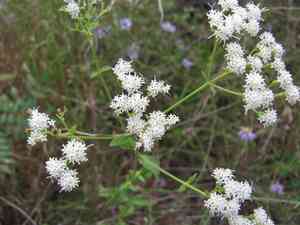
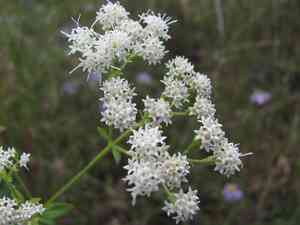
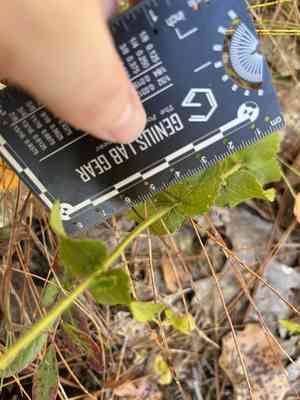
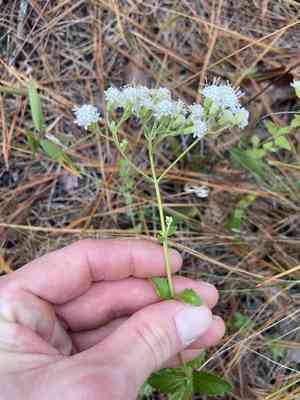
Quickly Identify Lesser snakeroot
1
Clustered fluffy white flowers with a subtle fragrance.
2
Small achene fruits with tufty white hairs for wind dispersal.
3
Ovate to lanceolate fuzzy leaves, 1-3.5 inches (2.5-9 cm) long.
4
Wiry, slender stems, 1-3 feet (30-90 cm), light green to reddish.
5
Exclusive white disc flowers with hairy green bracts, blooming in late summer to autumn.
Scientific Classification of Lesser snakeroot
Phylum
Vascular plants
Class
Dicotyledons
Order
Asterales
Family
Daisy
Genus
Snakeroots
Species
Lesser snakeroot
Planting and Growing of Lesser snakeroot
Care Difficulty
Easy
Watering Schedule
Every 2 days
Sunlight Requirements
Partial sun
Sunshine Duration
6-12 hours
Ideal Temperature
60-75℉
Soil Type
Potting Mix, Peat Mix
Soil pH
6.5-7.5
Fertilizer Type
Balanced
Pruning Season
Spring, Summer
Pruning Area
Branches, Leaves
Pruning Frequency
2 times a year
Repotting Season
Spring
Pot Type
Plastic, Ceramic
 How to Water Lesser snakeroot?
Ageratina aromatica prefers a moderate watering approach. Ensure the soil is moist but not waterlogged. The key is to let the top inch of soil dry out between waterings. This helps maintain a balance that prevents the roots from sitting in water, which could lead to root rot.
What are the symptoms of an underwatered Lesser snakeroot?
›
What should I do if my Lesser snakeroot is not getting enough water?
›
What are the symptoms of an overwatered Lesser snakeroot?
›
How to save an overwatered Lesser snakeroot?
›
 What Are the Sunlight Requirements for Lesser snakeroot?
Ageratina aromatica thrives best under partial sun conditions. Ideal lighting allows the plant to photosynthesize efficiently, promoting healthy growth, vibrant foliage, and resilience against certain diseases.
What is the best location for Ageratina aromatica?
›
How to optimize natural light for Ageratina aromatica?
›
What are the benefits of ideal lighting for Ageratina aromatica?
›
 What Is the Ideal Temperature Range for Lesser snakeroot?
Ageratina aromatica thrives best in temperatures ranging from 60°F to 75°F. This range ensures optimal growth and health, providing the right balance of warmth and mildness. Maintaining this temperature range helps the plant photosynthesize effectively and sustain healthy leaf coloration.
 What Soil is Best for Lesser snakeroot?
Ageratina aromatica thrives in well-drained soil, preventing root rot and ensuring that roots receive adequate oxygen. Well-drained conditions help maintain a healthy root system, critical for nutrient uptake and growth. While drainage is important, this plant also benefits from soil that holds moisture reasonably well. This balance helps in sustaining the plant through dry spells, ensuring consistent hydration without waterlogging. Soil should be rich in organic matter to provide essential nutrients for Ageratina aromatica. Nutrient-rich soil promotes vibrant foliage and supports the plant's overall health by supplying sustained nutrition.
 How to Fertilize Lesser snakeroot?
Ageratina aromatica thrives with moderate amounts of fertilizer. It doesn't require heavy feeding, and applying too much can lead to root burn or excessive foliage at the expense of blooms. It's best to apply a balanced, water-soluble fertilizer at a rate of once every two weeks during the growing season. Aim to dissolve about 1/4 teaspoon of fertilizer per gallon of water for optimal results.
 How to Prune Lesser snakeroot?
Always wear gloves when pruning to protect your hands from potential skin irritation. Ensure your tools are clean and sterilized to prevent the spread of disease. Be mindful of the plant's natural form; avoid cutting back more than a third of the total growth at once. This helps to prevent shock and gives the plant a chance to regenerate gradually. Consider pruning early in the day when temperatures are cooler, as this minimizes stress on the plant. Proper timing and technique are critical to ensuring the long-term health and beauty of your Ageratina aromatica.
More About Pruning Techniques→
 How to Propagate Lesser snakeroot plant?
1
Choose healthy stems and make cuts just below a node. Remove the lower leaves and dip the cut end in rooting hormone to encourage root growth.
2
Sow seeds in a well-draining soil mix, covering them lightly with soil. Keep them moist but not waterlogged to avoid damping off.
3
Gently lift the plant from the soil and separate the root ball into smaller sections. Ensure each section has roots and replant them immediately.
 How to Repot Lesser snakeroot plant?
1
Ageratina aromatica signals its need for repotting when you notice roots peeking out of the drainage holes, an apparent lack of growth, or water quickly rushing through the pot. Repot during its growing seasons in Spring or Autumn when the plant is less stressed and can recover more efficiently from the transition.
2
Select a pot that is only slightly larger than the current one, perhaps 2 inches wider in diameter. This size allows the roots to expand gradually, minimizing shock and encouraging a healthy root establishment. Ensure the pot has adequate drainage to prevent waterlogging, which can lead to root rot.
3
Opt for a well-draining potting mix, ideally one that is loose and aerated. This type of soil prevents water stagnation and ensures that the roots have access to oxygen, which is crucial for their growth. Soil with a slight acidity can also benefit the plant’s nutrient intake.
Learn More About Lesser snakeroot Diseases
Anthracnose
Bacterial Leaf Spot
Bacterial Wilt
Chemical Injury
Crown Gall
Damping-off
Downy Mildew
Drought Stress
Fusarium Wilt
Gray Mold
Leaf Curl
Leaf Spot
Mosaic
Nutrient Deficiency
Nutrient Toxicity
Powdery Mildew
Root Rot
Root-knot Nematode
Rusts
Sooty Mold
Spider Mites
Temperature Stress
Thrips Damage
White Mold



