The Lesser snakeroot Plant Advantage: Maximizing Home and Office Appeal and Wellness
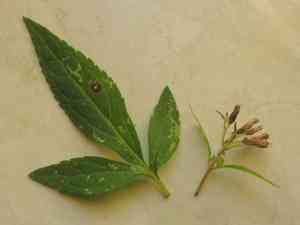
1
White snakeroot is recognized for drawing in pollinators such as bees and butterflies.
2
It has traditionally been utilized to bolster natural garden environments.
3
This species is simple to cultivate and care for in diverse soil types.
Benefits of Cultivating Lesser Snakeroot
Attracts Pollinators
A primary advantage of Lesser snakeroot is its capacity to draw in pollinators. Bees, butterflies, and other helpful insects are naturally drawn to its blooms, facilitating pollination. This supports plant reproduction in your garden and bolsters the wider ecosystem by sustaining vital pollinator populations.
Supports Biodiversity
Cultivating Lesser snakeroot can aid in preserving and enhancing garden biodiversity. It offers a habitat for various insects and small creatures, providing them with refuge and sustenance. This diversity fosters a balanced, resilient garden ecosystem better equipped to resist pests and diseases.
Low Maintenance Plant
Lesser snakeroot is renowned for its hardiness and can flourish in diverse soil types, even those with poor fertility. It demands minimal upkeep, making it an excellent choice for both new and seasoned gardeners. Once established, it's quite drought-tolerant, reducing the need for frequent watering and care.
Incorporates Aesthetic Value
Beyond its ecological advantages, Lesser snakeroot enhances any garden's visual appeal. Its delicate, fragrant blossoms can brighten garden areas with their subtle hues and scent. This not only improves visual charm but also offers sensory pleasure for garden enthusiasts.
Cultivation and Care for Lesser Snakeroot
Optimal Planting Conditions
Lesser snakeroot thrives best in well-draining soil with moderate fertility. It prefers sunny spots but can also endure partial shade. For optimal growth, it's advisable to plant it during spring or early autumn when the weather is milder.
Watering and Feeding
While Lesser snakeroot is fairly drought-resistant, it's crucial to water the plant during dry periods, especially in its initial growth phases. However, avoid excessive watering as this can lead to root rot. For nourishment, a light application of compost or a balanced, slow-release fertilizer in spring can boost its development.
Pruning and Maintenance
Trimming Lesser snakeroot helps maintain its form and encourages new growth. Remove dead or diseased stems and cut back any overgrown sections to keep the plant neat. This should ideally be done in late winter or early spring before new growth emerges.
Managing Pests and Diseases
Lesser snakeroot is relatively pest-resistant, but it can occasionally be affected by common garden pests like aphids or spider mites. Employing organic pest control methods, such as insecticidal soap or introducing beneficial insects, can help manage these issues. Regarding diseases, proper spacing and adequate air circulation around the plant can prevent fungal problems.
Ecological Advantages of Lesser Snakeroot
Soil Health Improvement
Cultivating Lesser snakeroot can positively influence soil health. Its root system helps enhance soil structure, reducing erosion and improving water infiltration. Furthermore, organic matter from fallen leaves and stems can contribute to the soil's nutrient content over time.
Natural Pest Control
Lesser snakeroot can act as a natural pest deterrent in your garden. Its presence can discourage certain pests, lessening the need for chemical pesticides. This fosters a healthier garden environment and safeguards beneficial insects that contribute to pollination and pest management.
Climate Resilience
Given its adaptability, Lesser snakeroot can be a valuable plant for creating climate-resilient gardens. It can withstand a range of environmental conditions, which helps maintain the garden's vitality and productivity even during periods of climatic stress like droughts.
Unique Garden Applications of Lesser Snakeroot
Companion Planting
Lesser snakeroot is an excellent choice for companion planting. It can be paired with various other garden plants to help improve their growth and health. For instance, its ability to attract pollinators can benefit fruit-bearing plants and vegetables that rely on these insects for pollination.
Creating Wildlife Habitats
Due to its supportive role in biodiversity, Lesser snakeroot can be planted to establish specific habitats for wildlife. By strategically placing it within your garden, you can attract and support a wide array of beneficial insects and small animals, fostering a vibrant and dynamic garden ecosystem.
Decorative Borders and Pathways
The aesthetic appeal of Lesser snakeroot, combined with its ease of care, makes it an ideal plant for decorative borders and pathways. Its modest size and attractive flowers can delineate garden paths, adding structure and visual interest to your landscape design.
Why Lesser Snakeroot is Essential for Every Gardener
Versatility in Garden Design
The adaptability of Lesser snakeroot in various garden designs is one of its most appealing attributes. Whether you have a formal garden, a wildflower meadow, or a cottage garden, this plant can seamlessly integrate into different styles, enhancing the visual and ecological dynamics of your space.
Environmental Stewardship
Incorporating Lesser snakeroot into your garden represents a step towards environmental stewardship. By cultivating this plant, you're not only beautifying your area but also contributing to the broader effort of conserving biodiversity and promoting sustainable gardening practices.



