How to Transplant Crofton weed?
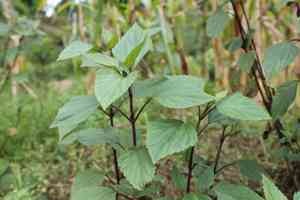
The most favorable period for moving crofton weed is from early spring to the beginning of summer, which guarantees strong root development. Select a location that offers dappled sunlight and fertile, adequately draining earth. Generous irrigation following the transfer aids in a smooth adjustment for crofton weed.
What Preparations are Needed Before Transplanting Crofton Weed?
What is the Ideal Time for Transplanting Crofton Weed?
The best time to move crofton weed is from the refreshing warmth of late spring to the initial bloom of early summer. This period offers mild temperatures that help roots establish without the stress of intense summer heat. Moving crofton weed during this window aligns with its active growth, ensuring better adaptation and vigor. Additionally, abundant spring rain assists with natural watering, reducing transplant shock and supporting a smooth transition for crofton weed. Enthusiastically bring crofton weed to its new spot during this season for strong growth and thriving health.
How Much Space Should You Leave Between Crofton Weed Plants?
When preparing a new home for crofton weed in your garden, aim for comfortable spacing between them. Target 18-36 inches apart (45-91 cm); this provides ample room for the plants to thrive without feeling overcrowded.
What is the Best Soil Mix for Crofton Weed Transplanting?
Your crofton weed will flourish in well-draining soil enriched with a balanced compost. Before planting, enhance the area with a general-purpose, slow-release fertilizer. A light application, following package instructions, should be ideal!
Where Should You Relocate Your Crofton Weed?
Crofton weed enjoys soaking up the sun but appreciates some shade during the hottest part of the day. Select a sunny location that receives a bit of afternoon protection. This will be the perfect sun-kissed spot for your crofton weed to flourish.
What Equipments Should You Prepare Before Transplantation Crofton Weed?
Gardening Gloves
For protecting your hands.
Shovel/Spade
To dig around and beneath the plant.
Garden Fork
Can be used to loosen the soil.
Watering Can or Hose
To hydrate the plant before and after moving it.
Wheelbarrow or Tarp
To move the plant and soil.
Pruning Shears
To trim any damaged roots or leaves.
Measuring Tape
To ensure correct spacing between plants.
How Do You Remove Crofton Weed from the Soil?
How Do You Remove Crofton Weed from the Soil?
From Ground: Water the crofton weed to moisten the soil. Use a shovel or spade to dig a wide circle around the plant. Carefully pry under the root ball, and gently lift the plant out.From Pot: Water the plant, tilt the pot sideways, tap the bottom, and carefully remove the plant while supporting its base and stems.From Seedling Tray: Water the seedlings first. Use a dibber or small tool to carefully extract each seedling with its root soil intact.
Step-by-Step Guide for Transplanting Crofton Weed
Transportation Preparation
Prepare a wheelbarrow or tarp to move the crofton weed to its new spot without causing damage.
Excavation of New Site
Dig a hole in the ground, approximately twice as wide and the same depth as the crofton weed's root ball.
Root Separation
For grouped plants, gently separate individual crofton weed plants if necessary.
Plant Positioning
Place the crofton weed in the center of the hole, ensuring it sits at the same depth it was growing previously.
Soil Backfill
Gradually refill the hole with soil, gently firming it down to eliminate air pockets around the roots.
Initial Watering
Water the crofton weed thoroughly after planting to settle the soil and provide moisture.
How Do You Care For Crofton Weed After Transplanting?
Initial Watering
Water the crofton weed generously to aid its recovery and lessen transplant shock.
Mulching
Apply a layer of mulch around the crofton weed to retain moisture and prevent weeds.
Pruning
Trim any broken or damaged stems to encourage healthy new growth.
Monitoring
Regularly check the plant for signs of stress or disease, and take appropriate action if needed.
Troubleshooting Common Issues with Crofton Weed Transplantation.
How do I know when to transplant my crofton weed?
The ideal time for moving crofton weed is from the spring thaw to the start of summer warmth. This allows the plant to settle before extreme temperatures arrive.
What's the ideal distance for planting crofton weed saplings apart?
Allow each crofton weed ample room to grow by planting them 18-36 inches (45-91 cm) apart. This spacing supports healthy development and air circulation.
What should I do if my crofton weed wilts after transplanting?
Gentle watering and protection from direct sunlight for a few days should revive your crofton weed, as this often indicates transplant shock.
Why are the leaves of my transplanted crofton weed turning yellow?
Yellowing leaves can indicate over-watering or poor drainage. Ensure the soil is moist but drains well, and adjust your watering schedule accordingly.
How deep should I dig the hole for transplanting crofton weed?
The hole should be as deep as the root ball but twice as wide, allowing roots to spread easily.
Can I transplant crofton weed on a hot day?
It's best to transplant during a cooler part of the day or on an overcast day to reduce stress on crofton weed.
What kind of soil is best for transplanting crofton weed?
Use rich, well-drained soil for crofton weed, and amend with compost to give it a healthy start.
How much water should I give crofton weed after transplanting?
After transplanting, give crofton weed a generous amount of water to settle the soil around the roots, then keep the soil consistently moist but not waterlogged.
Should I fertilize crofton weed right after transplanting?
Wait 4-6 weeks before fertilizing to prevent root burn; allow crofton weed to acclimate to its new location first.
What signs show my crofton weed hasn't taken well to transplant?
Persistent wilting, leaf drop, or no new growth could mean your crofton weed hasn't settled. Reassess planting depth, watering, and soil conditions.



