How Much Sunlight Do Crofton weed Need?
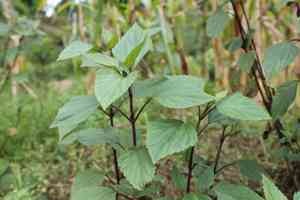
1
Crofton weed flourishes in locations receiving over 6 hours of direct sun each day.
2
Excessive sun exposure may lead to scorched leaves and plant stress in Crofton weed.
3
Crofton weed endures some shade but achieves optimal growth in full sunlight.
Grasping the Light Requirements of Crofton weed
Optimal Illumination Conditions for Crofton weed
For your Crofton weed to flourish, providing the correct amount of sunlight is crucial. This plant thrives best in full sun, meaning it needs over 6 hours of direct sunlight daily. However, Crofton weed is adaptable and can endure partial sun if necessary, though its growth and blooming may be less robust than in full sun.
Daily Sunlight Duration Needed by Crofton weed?
Crofton weed needs a minimum of 6 hours of sunlight each day for optimal growth. This light duration aids photosynthesis, enabling the plant to generate energy and thrive. When situated in areas with ample sunlight, Crofton weed can grow lush and strong, displaying its characteristic white flower clusters.
Impacts of Excessive Sunlight Exposure
While Crofton weed enjoys full sunlight, preventing overexposure is vital, especially in very hot climates. Extended periods of intense sunlight can cause leaf scorching and stress, leading to wilting and yellowing foliage. In such environments, offering some afternoon shade can help safeguard the plant and maintain its vitality.
Prime Locations for Planting Crofton weed
Selecting the Right Garden Spot
When deciding where to plant your Crofton weed, choose a location that receives abundant sunlight throughout the day. Sunny garden areas, like south or west-facing borders, are ideal. Ensure the site has well-drained soil and sufficient room for the plant to spread, as Crofton weed can grow extensively under favorable conditions.
Indoor vs. Outdoor Placement Considerations
Although Crofton weed is primarily an outdoor plant, it can be cultivated indoors with adequate light. Position your indoor Crofton weed near a south-facing window to ensure it gets enough sunlight. You might need to supplement with grow lights if natural light is insufficient.
Companion Planting with Crofton weed
Crofton weed can be paired with other sun-loving plants in your garden. It complements ornamental grasses, sunflowers, and other pollinator-attracting plants. These companions not only enhance visual appeal but also foster a vibrant ecosystem that supports beneficial insects.
Adjusting Sunlight Exposure for Seasonal Changes
Spring and Summer Light Requirements
During spring and summer, sunlight is more intense and prolonged, which is perfect for Crofton weed. Ensure the plant receives at least 6-8 hours of direct sunlight daily. In regions with extremely hot summers, consider providing partial shade during the hottest part of the day to prevent leaf burn.
Fall and Winter Light Modifications
As days shorten in fall and winter, Crofton weed might need some adjustments to its light exposure. If you are in an area with mild winters, ensure the plant still gets a good amount of sunlight, about 4-6 hours per day. For indoor plants, move them closer to windows or use supplemental lighting to compensate for reduced daylight.
Common Issues Arising from Improper Sunlight Exposure
Indicators of Insufficient Light
If your Crofton weed isn't getting enough sunlight, it will show signs like leggy growth, pale leaves, and poor flowering. The plant may become weak and more vulnerable to diseases and pests. Moving it to a brighter location can help resolve these problems.
Indicators of Excessive Sunlight
Too much sunlight can cause stress symptoms in Crofton weed, such as leaf burn, scorched edges, and wilting. If you notice these signs, consider providing some afternoon shade or relocating the plant to a less intense light area to protect it from further harm.
Steps to Rectify Sunlight Problems
To fix sunlight-related issues:Move Crofton weed to a spot with suitable sunlight exposure.Offer partial shade during peak sunlight hours in hot climates.Utilize reflective materials to amplify sunlight for indoor plants.Regularly monitor the plant's health and adjust its position as needed.



