The Crofton weed Plant Advantage: Maximizing Home and Office Appeal and Wellness
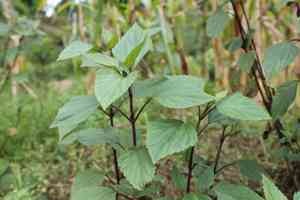
1
Ageratina adenophora is recognized for its swift proliferation and capacity to rapidly colonize areas.
2
This plant plays a useful role in averting soil degradation.
3
Ageratina adenophora can favorably influence regional ecosystems through fostering diverse life forms.
What Are the Main Advantages of Crofton Weed?
Erosion Prevention and Ground Stability
Crofton weed is particularly recognized for its capacity to effectively prevent soil erosion. Due to its dense growth pattern, it forms a protective layer over the ground, lessening the impact of rain and stopping topsoil from washing away. This trait is especially useful in areas prone to heavy rainfall and landslides, making Crofton weed a valuable plant for maintaining ground stability.
Supporting Local Biological Diversity
Crofton weed plays a vital role in fostering local biological diversity. The plant provides shelter and food sources for various insects and small animals. By contributing to a more varied ecosystem, Crofton weed helps maintain ecological balance and supports the health and resilience of local environments. This advantage makes it an essential plant for conservation efforts and ecological restoration projects.
How Does Crofton Weed Enhance Soil Quality?
Boosting Soil Fertility
Crofton weed contributes to soil fertility through its natural growth processes. As the plant grows and sheds leaves, these materials decompose and enrich the soil with organic matter. This process improves the nutrient content of the soil, making it more fertile and better able to support the growth of other plant species. Farmers and gardeners often observe enhanced crop yields and healthier plant growth in areas where Crofton weed is present, thanks to its positive impact on soil quality.
Nitrogen Fixation
Another significant advantage of Crofton weed is its capacity to fix nitrogen in the soil. This means that the plant can convert atmospheric nitrogen into a form that plants can absorb and utilize for growth. Nitrogen fixation enriches the soil with essential nutrients, reduces the need for synthetic fertilizers, and promotes sustainable agricultural practices. By naturally improving soil quality, Crofton weed supports healthier and more productive ecosystems.
Can Crofton Weed Be Utilized in Landscape and Garden Design?
Ground Cover and Visual Appeal
Crofton weed is widely valued in landscape and garden design due to its rapid growth and lush green appearance. The plant's ability to quickly cover large areas makes it an excellent choice for ground cover, offering an attractive and low-maintenance solution for gardens and parks. Its vibrant foliage adds visual appeal to any landscape, enhancing the aesthetic charm of outdoor spaces.
Creating Wildlife Habitats
In addition to its decorative value, Crofton weed serves as a habitat for various pollinators, including bees and butterflies. By incorporating Crofton weed into garden designs, homeowners and landscapers can create supportive environments for these beneficial insects. This not only enhances the beauty of the garden but also contributes to the health of local ecosystems by promoting pollination and biodiversity.
What Are the Environmental Advantages of Crofton Weed?
Carbon Sequestration
One of the less obvious yet highly important advantages of Crofton weed is its role in carbon sequestration. The plant absorbs carbon dioxide from the atmosphere during photosynthesis and stores it in its biomass. This process helps mitigate the effects of climate change by reducing the concentration of greenhouse gases in the atmosphere. As Crofton weed grows and spreads, it contributes to the global effort to combat climate change through natural and sustainable means.
Restoring Damaged Lands
Crofton weed has also proven effective in restoring damaged lands. Its robust nature enables it to thrive in poor soil conditions, making it an excellent candidate for land reclamation projects. By planting Crofton weed in areas where the soil has been depleted or harmed, it can help revive the land, improve soil structure, and create a more hospitable environment for other plant species to establish and grow. This advantage is particularly valuable in regions affected by deforestation, mining, or agricultural overuse.



