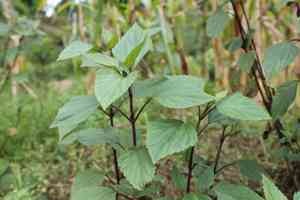
Crofton weed (Ageratina adenophora)
Also known as: Canyon kelp, Maui pamakani, Sticky snakewort, Pamakani, Eupatory
Crofton weed, originally from Mexico, was introduced to various regions as an ornamental plant. Over time, it has turned into a troublesome weed in some areas. This invasive species can overrun pastures and poses a toxicity risk to horses, leading to significant environmental and agricultural issues.
In This Article
Attributes of Crofton weed
Lifespan
Perennial
Plant Type
Herb
Plant Height
1 m to 2 m
Spread
1 to 2 meters
Leaf Color
Green
Flower Size
5 mm
Flower Color
White
Images of Crofton weed
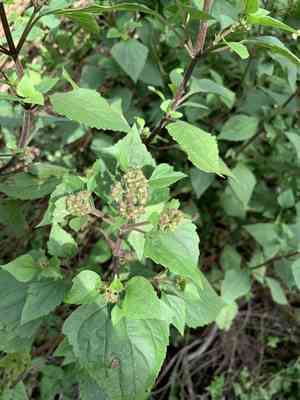
Quickly Identify Crofton weed
1
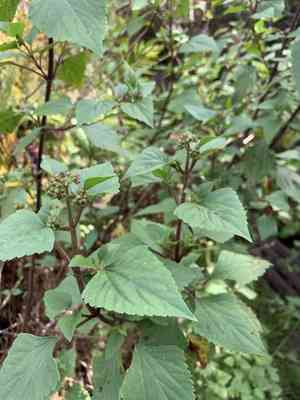
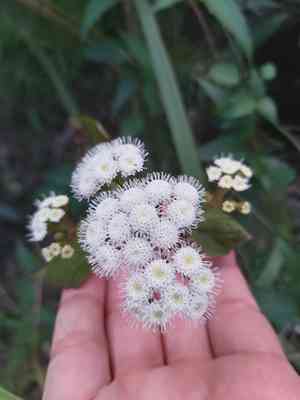
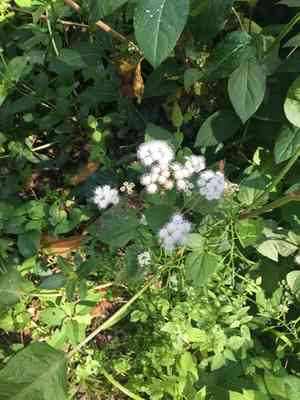
The plant can be identified by its opposite, serrated, and triangular leaves. It produces small white to pale pink flowers clustered in loose panicles and has a distinctive strong odor when crushed.
Scientific Classification of Crofton weed
Phylum
Vascular plants
Class
Dicotyledons
Order
Asterales
Family
Daisy
Genus
Snakeroots
Species
Crofton weed
Planting and Growing of Crofton weed
Care Difficulty
Easy
Watering Schedule
Every 2 days
Sunlight Requirements
Full sun
Sunshine Duration
4-8 hours
Ideal Temperature
60-75℉
Soil Type
Potting Mix, Peat Mix
Soil pH
6.5-7.5
Fertilizer Type
Balanced
Pruning Season
Spring, Summer
Pruning Area
Branches, Leaves
Pruning Frequency
2 times a year
Repotting Season
Spring
Pot Type
Plastic, Ceramic
 How to Water Crofton weed?
Ageratina adenophora prefers a moderate amount of water, allowing the soil to become slightly dry between watering. Water thoroughly so that the moisture reaches the root zone, ensuring the soil is damp but not waterlogged. Use approximately 250 ml of water per session.
What are the symptoms of an underwatered Crofton weed?
›
What should I do if my Crofton weed is not getting enough water?
›
What are the symptoms of an overwatered Crofton weed?
›
How to save an overwatered Crofton weed?
›
 What Are the Sunlight Requirements for Crofton weed?
Ageratina adenophora flourishes in full sun or partial sun, ideally receiving 5 to 8 hours of light daily. Optimal lighting enhances its photosynthesis, promotes flowering, and strengthens the plant's overall health.
More About Sunlight Requirements Techniques→
What is the ideal amount of sunlight for Ageratina adenophora?
›
How can I ensure Ageratina adenophora gets ideal sunlight?
›
What are the benefits of ideal lighting conditions for Ageratina adenophora?
›
 What Is the Ideal Temperature Range for Crofton weed?
The ideal temperature range for Ageratina adenophora is between 60°F and 75°F. This range provides the necessary warmth without extreme temperatures, conducive to optimal growth and flowering. Ensuring this consistency mimics the plant's natural habitat, supporting both physiological and metabolic processes essential for healthy development.
 What Soil is Best for Crofton weed?
Ageratina adenophora thrives in well-drained soils, preventing root rot and promoting healthy growth. This is particularly important because waterlogged conditions can severely stunt the plant's development and lead to poor performance. The plant benefits from soils rich in organic matter, which provides a steady supply of nutrients essential for its vigorous growth. This nutrient richness results in lush, green foliage and increases the plant's overall health and resilience. While Ageratina adenophora requires moisture to grow optimally, it does not tolerate saturated conditions. Balanced moisture levels facilitate proper nutrient uptake and help maintain the plant's robust appearance and vitality.
 How to Fertilize Crofton weed?
Ageratina adenophora appreciates a balanced amount of nutrients. Use a general-purpose fertilizer diluted to half the recommended strength. This ensures that the plant receives adequate nutrients without the risk of over-fertilization, which can be detrimental. Each session should involve around 100ml of liquid fertilizer solution per plant.
 How to Prune Crofton weed?
Start by identifying the dead, damaged, or diseased stems. These should be your first focus as removing them encourages healthier growth. Next, look for stems that cross or rub against each other and cut them back to the base. Trim back any excessively long or unruly branches to control the shape and size of the plant. Additionally, remove any stems growing towards the interior of the plant to improve airflow. To encourage bushier growth, cut back the top growth by a third. This promotes branching and results in a fuller appearance. Be sure to make your cuts just above a node where leaves grow.
More About Pruning Techniques→
 How to Propagate Crofton weed plant?
1
Harvest seeds from mature Ageratina adenophora plants after the flowering period. Ensure the seeds are fully developed and free of any disease.
2
Select a healthy stem without blooms. Use pruning shears to cut a segment about 4-6 inches long. Remove leaves from the lower part of the cutting to prevent rotting.
3
Spread seeds on the seed tray surface and lightly cover them with soil. Mist the surface with water and cover the tray with a plastic lid to maintain humidity.
 How to Repot Crofton weed plant?
1
Signs that Ageratina adenophora needs repotting include visible roots through drainage holes, slowed growth, or the soil drying out too quickly. Ideally, plan to repot during spring when the plant is most vigorous, allowing it to recover quickly.
2
Select a pot that is one size larger with ample drainage holes to prevent waterlogging. A slightly larger pot will provide enough room for growth without risking overwatering issues, thus ensuring a healthy root environment.
3
Use a well-draining potting mix rich in organic matter. This type of soil supports robust growth, prevents compacted roots, and encourages healthy drainage, essential for Ageratina adenophora's overall vitality.
Toxicity
Ingestion
WARNING
The judgment on toxicity and danger is for reference only. We DO NOT GUARANTEE any accuracy of such judgment. Therefore, you SHALL NOT rely on such judgment. It is IMPORTANT TO SEEK PROFESSIONAL ADVICE in advance when necessary.



