How to Prune Crofton weed?
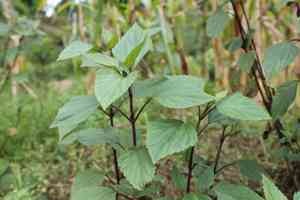
To manage crofton weed, a rapidly expanding perennial featuring delicate foliage, prompt trimming is crucial for curbing its intrusive tendencies. Severely cut it back to soil level to restrict its expansion and foster robust development. Pruning can occur throughout the year, with an emphasis on strategically eliminating flower clusters prior to seed formation to avert undesired dissemination. Routine shaping of the plant through trimming is also beneficial. Sufficient pruning guarantees lush leaves and diminishes its assertive characteristics, thereby preserving environmental equilibrium in cultivated areas.
What Are the Benefits of Pruning Crofton Weed?
What Are the Benefits of Pruning Crofton Weed?
Trimming crofton weed promotes vigorous development and abundant blooms. It assists in maintaining the desired size and shape, preventing excessive growth and fostering a neat appearance. Regular trimming also deters pest infestations and diseases by eliminating compromised foliage and improving air circulation within the plant.
What Is the Best Time for Pruning Crofton Weed?
What Is the Best Time for Pruning Crofton Weed?
Pruning or trimming crofton weed can be performed year-round due to its rapid growth and invasive nature. This ensures control over the plant's spread and preserves garden aesthetics. Pruning during the active growing season, particularly in spring and summer, is most effective as it helps manage the plant's vigorous growth and prevents seed production, which typically occurs in the fall. Removing flowers before they mature into seeds is crucial for managing its invasiveness. For crofton weed's well-being, avoid heavy pruning during extreme weather conditions like heatwaves or frosts to prevent stress on the plant.
What Tools Do I Need to Prune Crofton Weed?
Hand Pruners
Perfect for trimming and shaping individual stems of crofton weed, as they allow precise cuts and can handle the plant's soft to semi-woody stems. Anvil or bypass pruners can be utilized, with bypass pruners being preferred for making cleaner cuts without crushing the stems, which encourages better healing and regrowth.
Lopping Shears
Useful for cutting through thicker stems or branches of crofton weed that hand pruners cannot manage. The longer handles provide leverage, making it easier to cut through the stem and reduce user fatigue during extensive pruning sessions.
Pruning Saw
Essential for removing the largest branches of crofton weed that are too thick for hand pruners and lopping shears. A pruning saw allows for clean cuts without causing unnecessary damage to the plant.
Hedge Shears
Suitable for shaping and controlling the growth of crofton weed when dealing with multiple stems or a hedge-like formation. These shears enable quick trimming and sculpting of the plant's softer foliage and smaller stems.
Gloves and Protective Clothing
While not a cutting tool, it is advisable to wear gloves and long sleeves when pruning crofton weed to protect against potential skin irritation from handling the plant material.
How to Prune Crofton Weed
Preparation
Don protective gloves and gather sharp pruning shears, loppers, or a handsaw, depending on the thickness of the crofton weed branches to be cut.
Inspect
Examine crofton weed closely to identify diseased leaves, withered leaves, dead or diseased branches, and withered flowers that require removal.
Clean Cut
Using the appropriate tool, make clean, angled cuts to remove diseased and dead branches from crofton weed, ensuring cuts are made just above a healthy bud or branch junction.
Disposal
Dispose of the trimmed diseased leaves, withered leaves, dead branches, diseased branches, and withered flowers of crofton weed in a way that prevents the spread of pathogens.
Sanitation
Clean and sanitize all pruning tools after use to minimize disease transmission to other plants or future growth on crofton weed.
Common Pruning Mistakes with Crofton Weed
Over-pruning
Removing too much foliage at once can stress crofton weed, weakening the plant and potentially leading to shock or death.
Blunt tools
Using blunt or dirty pruning tools can result in jagged cuts that are more susceptible to disease and may hinder crofton weed's recovery.
Improper cut locations
Cutting too far from a node can leave unnecessary stubs that may decay, while cutting too close can damage the nodes and inhibit new growth.
Ignoring diseased material
Failing to remove or properly dispose of diseased branches can lead to the spread of illness throughout crofton weed.
Lack of sanitation
Not cleaning tools between uses can spread pests or pathogens from infected plants to healthy specimens of crofton weed.
Neglecting healthy structure
Pruning without understanding crofton weed's growth pattern can result in an unbalanced or weakened plant structure.
Common Pruning Tips for Crofton Weed
Sharp clean tools
Always use sharp, sterilized pruning tools to ensure clean cuts that crofton weed can heal from more rapidly.
Prune to nodes
Make cuts just above leaf nodes at a 45-degree angle to encourage new growth in the desired direction.
Thinning crowded areas
Thin out areas where crofton weed's foliage is too dense to improve air circulation and light penetration, vital for plant health.
Remove spent flowers
Deadhead spent blooms to redirect crofton weed's energy into growth and future flowering rather than seed production.
Cut at appropriate length
Trim stems back to the desired length, ensuring enough foliage remains to sustain crofton weed's photosynthesis needs.
Healthy growth removal
Occasionally remove some healthy growth to promote more vigorous growth and maintain the desired shape of crofton weed.
Practice cautious cutting
Approach pruning with caution, making smaller cuts and assessing the plant's response before making more drastic trims.



