How to Transplant Pale Giant Hyssop?
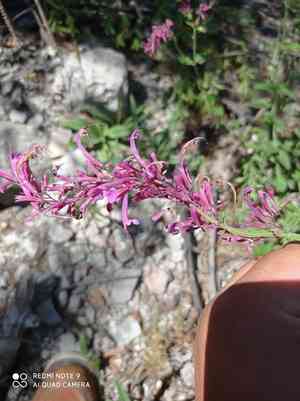
Relocating pale Giant Hyssop flourishes when undertaken at the peak of warmth, as the brilliance of late summer transitions into the onset of autumn—a perfect balance of warmth and coolness. Select a sunny location with soil that drains effectively, safeguarding the fragile roots from undue disruption to encourage peaceful establishment.
Necessary Preparations Before Relocating Pale Giant Hyssop
Optimal Period for Transplanting Pale Giant Hyssop
The best time to move pale Giant Hyssop is from late summer to early autumn. This timeframe offers mild weather, which aids root development and ensures pale Giant Hyssop flourishes. Placing pale Giant Hyssop in its new spot during this window allows it to benefit from moderate temperatures and promotes robust growth before winter. Choosing this transplanting season is crucial for vigorous development and the long-term health of pale Giant Hyssop.
Recommended Spacing Between Pale Giant Hyssop Plants
When moving your pale Giant Hyssop, position each plant approximately 2-3 feet (0.6-0.9 m) apart. This provides ample room for growth and ensures adequate air circulation. While it may appear sparse initially, these plants will fill out over time!
Best Soil Mixture for Pale Giant Hyssop Transplantation
Pale Giant Hyssop prefers soil that drains well. Incorporate compost or organic material into your garden soil to enhance its fertility. Additionally, adding a slow-release base fertilizer will support its initial growth.
Ideal Location for Your Pale Giant Hyssop
Pale Giant Hyssop thrives in full sun but can also tolerate partial shade. Select a garden spot where it will receive at least 6-8 hours of sunlight daily for optimal growth. Happy gardening!
Equipment Required Before Transplanting Pale Giant Hyssop
Gardening Gloves
To protect your hands when working with soil and plants.
Pot or Tray (for seedlings)
To hold the pale Giant Hyssop seedlings until they are ready for planting.
Hand Trowel
To dig a hole in the ground and to lift the plant from its pot (if potted).
Shovels or Spades
To create larger holes in the ground (if needed) and to remove the plant from the ground (if in-ground).
Pruners
To trim any dead or damaged roots from pale Giant Hyssop.
Watering Can or Garden Hose
To keep the soil moist before, during, and after the transplanting process.
How to Extract Pale Giant Hyssop from the Soil
How to Extract Pale Giant Hyssop from the Soil
From Ground: Start by watering the pale Giant Hyssop plant to loosen the soil around its roots. Using a shovel or spade, carefully dig around the plant. Be sure to maintain a safe distance to avoid damaging the root ball. After circling the plant, gently work your spade beneath the root ball to lift the plant from its original spot.From Pot: Water the pale Giant Hyssop plant in its pot generously. Then, place your hand over the soil surface, with the plant stem between your fingers. Invert the pot and gently shake or tap it to encourage the plant and root ball to slide out.From Seedling Tray: Gently grasp the pale Giant Hyssop seedling by its leaves, not the stem, and pull it from the cell. You can also use a dibber or similar tool to carefully push it out from the bottom.
Step-by-Step Guide for Transplanting Pale Giant Hyssop
Site Preparation
Prepare the planting area by removing any weeds or other debris. Also, ensure the soil is well-drained and not overly compacted.
Digging
Use your hand trowel or shovel to dig a hole that is twice the width and the same depth as the root ball of your pale Giant Hyssop.
Placing
Carefully position the pale Giant Hyssop in the hole, ensuring it is not planted deeper than it was in its previous location. The top of the root ball should be level with the soil surface.
Filling
Backfill the hole with the excavated soil, gently firming it around the base of the pale Giant Hyssop plant.
Watering
Water thoroughly after transplanting to settle the soil around the roots and help the pale Giant Hyssop establish itself.
Post-Transplant Care for Pale Giant Hyssop
Mulching
Apply a layer of organic mulch around (but not touching) the pale Giant Hyssop, to help retain moisture and suppress weeds.
Watering
Keep the soil moist (but avoid waterlogging) as the pale Giant Hyssop adjusts to its new spot. Reduce watering once the plant shows new growth, indicating establishment.
Staking
If the pale Giant Hyssop is tall or in a windy area, it may require staking for support until it is firmly established.
Feeding
Wait until new growth appears before applying a slow-release, all-purpose fertilizer, following the product's instructions.
Resolving Common Issues with Pale Giant Hyssop Transplantation
When is the best time to transplant pale Giant Hyssop?
The ideal time to transplant pale Giant Hyssop is during the S6-S7 season, typically in late summer or early fall.
What's the ideal space to leave between pale Giant Hyssop plants?
Ensure each pale Giant Hyssop has sufficient room to grow. Allow approximately 2-3 feet (60 to 90 cm) between plants.
What do I do if the leaves of pale Giant Hyssop start to wilt after transplanting?
Wilting can be a symptom of transplant shock. Water consistently and consider using a root stimulator to help your pale Giant Hyssop adapt to its new environment.
What type of soil is best for transplanting pale Giant Hyssop?
Pale Giant Hyssop thrives in well-draining soil. Add organic matter if necessary, to improve its drainage and nutrient content.
Why is my newly transplanted pale Giant Hyssop not growing?
Plants often need time to adjust after transplanting. Ensure it's receiving adequate watering, spacing, and sun exposure. Patience is crucial!
How deep should I dig the hole for transplanting pale Giant Hyssop?
Dig a hole twice as wide and as deep as the plant's root ball. This provides space for roots to expand.
How often should I water pale Giant Hyssop after transplanting?
Water pale Giant Hyssop thoroughly after transplanting, then water regularly while the plant establishes itself. Adjust based on rainfall and soil conditions.
What is the proper procedure to transplant pale Giant Hyssop?
Carefully remove pale Giant Hyssop from its original location, ensuring roots remain intact. Prepare a hole in the new spot and plant. Water thoroughly.
Why does my transplanted pale Giant Hyssop have yellow leaves?
Yellow leaves could indicate overwatering or poor drainage. Ensure your pale Giant Hyssop is not sitting in water and that the soil drains effectively.
Can I transplant pale Giant Hyssop in a pot?
Yes, pale Giant Hyssop can be transplanted into a pot. Make sure it's large enough and has good drainage. Follow the same care guidelines as for in-ground plants.



