How to Prune Pale Giant Hyssop?
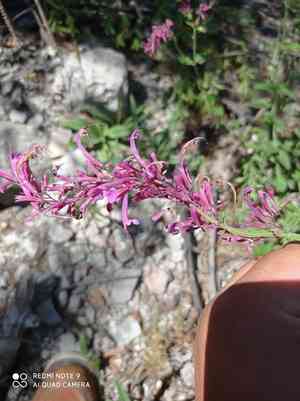
This fragrant perennial, distinguished by its pointed blossoms and licorice-scented leaves, flourishes with judicious trimming. For light-colored Giant Hyssop, snip off faded flower spikes after flowering to stimulate a subsequent bloom. Each year, in the early spring, remove older stalks to enhance light access and air movement. Regular removal of spent flowers preserves appearance and strength. Perform pruning in spring, summer, or early autumn to sculpt plants or manage their size. Trimming aids in disease prevention and fosters strong, denser development for this variety.
What Are the Benefits of Pruning Pale Giant Hyssop?
What Are the Benefits of Pruning Pale Giant Hyssop?
Trimming pale Giant Hyssop is crucial for encouraging flower production, ensuring vigorous plant growth, and maintaining a compact, attractive form. Timely trimming sessions contribute to robust health and abundant flowering.
What Is the Best Time for Pruning Pale Giant Hyssop?
What Is the Best Time for Pruning Pale Giant Hyssop?
Trimming pale Giant Hyssop in spring coincides with the post-dormancy growth surge, promoting quick healing and development. Early summer trimming helps shape the plant and manage any irregular growth without harming bud formation, which occurs later. Late fall is suitable for removing spent flowers and preparing pale Giant Hyssop for winter, but it's important to avoid trimming too close to frost to prevent damage.
What Tools Do I Need to Prune Pale Giant Hyssop?
Hand Pruners
Ideal for cutting stems and small branches up to approximately 1/2 inch thick. Pale Giant Hyssop often has delicate stems that can be easily trimmed with hand pruners, allowing for precise cuts that promote healthy growth.
Pruning Shears
Also known as secateurs, these are perfect for shaping pale Giant Hyssop and controlling its size. They provide clean cuts that help prevent disease and encourage productive growth.
Garden Scissors
These can be used for thinning and deadheading pale Giant Hyssop. Garden scissors allow for careful snipping without damaging nearby stems or leaves.
Long-Handled Loppers
If pale Giant Hyssop is mature and has thicker stems, loppers can be used to trim harder-to-reach areas or branches up to about 1 1/2 inches thick. They provide leverage which makes trimming less strenuous.
How to Prune Pale Giant Hyssop
Disinfect tools
Before starting, sterilize all trimming tools with either rubbing alcohol or a solution of bleach and water to prevent the spread of diseases.
Remove diseased leaves
Identify and cut away any diseased leaves from pale Giant Hyssop, making a clean cut at the base of the affected leaf. Dispose of these leaves away from healthy plants to avoid contamination.
Trim withered leaves
Carefully remove all withered leaves from pale Giant Hyssop by snipping them off at their base. This helps to direct the plant's energy into the growth of healthy foliage and stems.
Deadhead flowers
Deadhead withered flowers on pale Giant Hyssop to encourage new blooms and maintain a tidy appearance. Snip the spent flower stem back to the first set of healthy leaves.
Shape plant
After removing the undesired parts, lightly shape pale Giant Hyssop by trimming any disproportionate growth to maintain an aesthetically pleasing form without over-trimming, as this could stress the plant.
Common Pruning Mistakes with Pale Giant Hyssop
Over-pruning
Removing too much foliage from pale Giant Hyssop at once can stress the plant, possibly stunting its growth or reducing its hardiness.
Improper cut placement
Cutting too far from the node or into the woody parts of pale Giant Hyssop can cause unnecessary damage to the plant and might lead to disease or pest problems.
Using dull tools
Trimming pale Giant Hyssop with dull blades can result in jagged cuts that heal poorly and make the plant more susceptible to diseases.
Pruning without assessing plant health
Cutting pale Giant Hyssop without first assessing its overall health and vigor may remove growth that is vital for its recovery or continued development.
Ignoring plant architecture
Failing to consider the natural shape and growth pattern of pale Giant Hyssop may lead to a less aesthetically pleasing form and hinder its natural growth habit.
Common Pruning Tips for Pale Giant Hyssop
Sterilize pruning tools
Before trimming pale Giant Hyssop, ensure that all cutting tools are cleaned and sterilized to prevent the spread of diseases.
Sharp cuts
Use sharp, clean shears or scissors to make precise cuts, which will heal more quickly and reduce the chance of disease.
Prune for air circulation
While trimming pale Giant Hyssop, aim to open up the plant's interior to improve air circulation, which can help prevent fungal diseases.
Prune for shape
Trim pale Giant Hyssop to maintain its natural form, cutting back to just above leaf nodes that face the direction where you want new growth to appear.
Regular deadheading
Regularly remove spent flowers from pale Giant Hyssop to encourage continuous blooming and prevent the plant from spending energy on seed production.
Protect plant health
Only remove dead, diseased, or damaged stems and foliage to maintain the health and vitality of pale Giant Hyssop.
Incremental pruning
To maintain the vigor of pale Giant Hyssop, practice moderate, incremental trimming instead of severe cuts. This allows for gradual shaping and healthier regrowth.



