How Much Sunlight Do Pale Giant Hyssop Need?
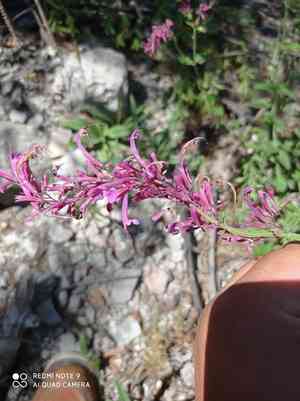
1
Pale Giant Hyssop flourishes optimally in areas with abundant sunlight, preferably getting over 6 hours of direct sun each day.
2
The sun in the morning is milder and less harsh, which benefits Pale Giant Hyssop during warmer periods.
3
Not enough light can lead to stretched stems, leaves losing their color, and fewer blooms on Pale Giant Hyssop.
Optimal Light Conditions for Pale Giant Hyssop
Full Sun vs. Partial Shade
For cultivating Pale Giant Hyssop, understanding its light requirements is crucial. This species thrives in full sun, meaning it needs at least 6 to 8 hours of direct sunlight daily. Ample sun exposure promotes vigorous growth and abundant blooms. Conversely, while Pale Giant Hyssop can endure partial shade, its performance may decline. Partial shade implies only 3-6 hours of direct sun per day. In such conditions, you might observe weaker stems and fewer flowers.
Morning Sun Exposure
Morning sun exposure is particularly advantageous for Pale Giant Hyssop. The milder morning rays provide sufficient light without the intense heat of later hours, thereby reducing the risk of scorching. This is especially vital during summer when afternoon sun can be very harsh. Aim to place your Pale Giant Hyssop where it can receive morning sun for several hours.
Afternoon Sun Exposure
While Pale Giant Hyssop flourishes in full sun, intense afternoon sunlight, particularly in warmer regions, can sometimes be overly harsh. If you reside in an area with extremely hot afternoons, consider providing some shade during these times. This can be achieved by planting taller vegetation nearby or using a shade cloth as needed.
Impact of Inadequate Light on Pale Giant Hyssop
Indicators of Insufficient Light
One of the primary indicators that your Pale Giant Hyssop is not receiving enough light is etiolated growth. The plant will stretch towards the light source, resulting in thin and weak stems. Additionally, you might notice a lack of flowering or fewer, smaller blooms. Yellowing leaves that drop prematurely can also signal inadequate light.
Indicators of Excessive Light
Too much sunlight, especially during the hottest part of the day, can lead to scorched foliage and wilting. Leaves may appear burned with brown, crispy edges. To prevent this, provide some afternoon shade if you are in an extremely hot climate. Ensuring proper watering also helps the plant cope with intense sunlight.
Strategies for Optimizing Light for Pale Giant Hyssop
Garden Placement
When planting Pale Giant Hyssop in your garden, select a spot that receives uninterrupted sunlight for most of the day. South-facing areas typically get the most sunlight, making them ideal for placement. Ensure no tall plants or structures cast shadows over your Pale Giant Hyssop, as these can significantly reduce light exposure.
Utilizing Garden Aids and Accessories
Employing garden tools like reflective mulches can improve light distribution around your Pale Giant Hyssop. Reflective mulches bounce sunlight onto the plant, providing additional light from below. Grow lights can also be useful if you are cultivating the plant indoors or in an area with limited natural light.
Seasonal Adjustments
Adapting the plant's environment to seasonal changes can help maintain optimal light exposure. In spring and fall, when the sun's rays are less intense, ensure your Pale Giant Hyssop gets maximum exposure by pruning any overhanging branches from nearby trees. During peak summer months, consider a temporary shade cloth during the hottest part of the day to shield the plant from extreme heat.
Common Light-Related Issues with Pale Giant Hyssop
Leggy Growth
Leggy growth in Pale Giant Hyssop is a frequent problem caused by insufficient light. The plant grows tall and spindly as it reaches for the light source. To remedy this, ensure the plant receives at least 6 hours of direct sunlight daily. Regularly rotating the plant or adjusting its position can also help maintain even light distribution.
Leaf Discoloration
Leaf discoloration in Pale Giant Hyssop can result from both too much and too little sunlight. Yellowing leaves often indicate a lack of light, while brown, crispy leaf edges suggest sun scorch. Monitor the plant's placement and make necessary adjustments to balance light exposure effectively.
Reduced Flower Production
Another light-related issue is diminished flower production. Pale Giant Hyssop requires full sun to produce its beautiful flowers in abundance. If your plant isn't blooming as it should, assess its light exposure. Ensuring the plant receives 6-8 hours of direct sunlight can restore regular flower production.



