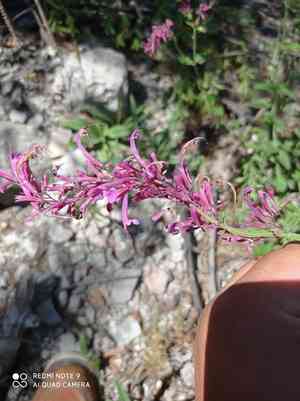
Pale Giant Hyssop (Agastache pallida)
Also known as: Pale Giant-Hyssop
The flower you're describing is likely the Liatris, also called blazing star or gayfeather. This perennial features tall spikes of pink or purple flowers that are magnets for butterflies and bees. It can be planted in both containers and garden beds, flourishing in full sunlight with moderate watering needs.
In This Article
Attributes of Pale Giant Hyssop
Lifespan
Perennial
Plant Type
Herb, Shrub
Plant Height
76 cm to 91 cm
Spread
45 cm
Leaf Color
Green
Flower Size
0.5 to 1 inch (1.2 to 2.5 cm)
Flower Color
Pink Purple Red
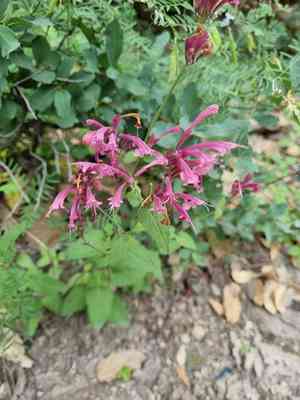
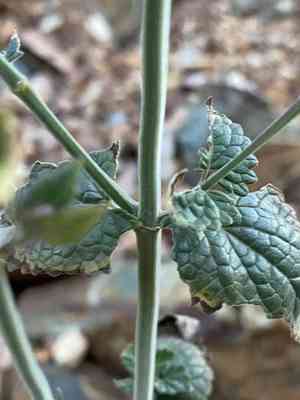
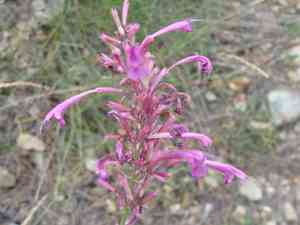
Images of Pale Giant Hyssop
Quickly Identify Pale Giant Hyssop
1
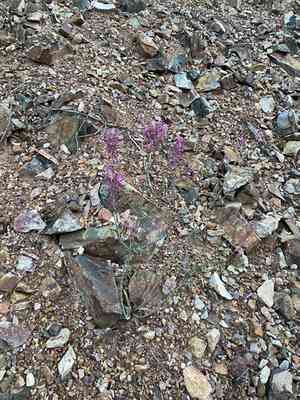
Identify Agastache pallida by its tall, slender spikes of pale flowers, square stems typical of the mint family, and aromatic foliage. The leaves are toothed and opposite, while the flowers are tubular and arranged in dense clusters.
Scientific Classification of Pale Giant Hyssop
Phylum
Vascular plants
Class
Dicotyledons
Order
Lamiales
Family
Mint
Genus
Giant hyssops
Species
Pale Giant Hyssop
Planting and Growing of Pale Giant Hyssop
Care Difficulty
Easy
Watering Schedule
Every 4 days
Sunlight Requirements
Full sun
Sunshine Duration
6-10 hours
Ideal Temperature
65-75℉
Soil Type
Potting Mix, Peat Mix
Soil pH
6.5-7.5
Fertilizer Type
Balanced
Pruning Season
Spring, Summer
Pruning Area
Branches, Leaves
Pruning Frequency
2 times a year
Repotting Season
Spring
Pot Type
Plastic, Ceramic
 How to Water Pale Giant Hyssop?
Agastache pallida prefers deep, infrequent watering. Allow the soil to dry slightly between watering sessions. When watering, ensure the water reaches a depth of about 6 inches to encourage deep root growth, which will aid the plant during drier periods.
What are the symptoms of an underwatered Pale Giant Hyssop?
›
What should I do if my Pale Giant Hyssop is not getting enough water?
›
What are the symptoms of an overwatered Pale Giant Hyssop?
›
How to save an overwatered Pale Giant Hyssop?
›
 What Are the Sunlight Requirements for Pale Giant Hyssop?
Agastache pallida prefers a range from partial to full sun. The beneficial effect of ideal sunlight includes lush growth, enhanced flowering, and improved resilience against environmental stress and pests.
More About Sunlight Requirements Techniques→
What is the best lighting for Agastache pallida?
›
How can you provide ideal sunlight for Agastache pallida?
›
What are the benefits of ideal sunlight for this plant?
›
 What Is the Ideal Temperature Range for Pale Giant Hyssop?
For optimal growth of Agastache pallida, maintaining temperatures between 65°F and 75°F is ideal. This range supports healthy root development, efficient nutrient uptake, and vigorous flowering. Consistent temperatures within this range help the plant to thrive and exhibit its characteristic aromatic foliage and blooms.
 What Soil is Best for Pale Giant Hyssop?
Agastache pallida thrives in well-drained soils because it helps prevent root rot and other moisture-related issues. The plant's roots need access to air pockets within the soil to breathe properly, which enhances growth and flower production. While Agastache pallida can tolerate poor soils, incorporating organic matter like compost enhances its growth. Nutrient-rich soil ensures that the plant has access to essential nutrients needed for vibrant foliage and abundant blooms. The soil should retain sufficient moisture without becoming waterlogged. This balance helps maintain consistent hydration levels around the root zone, supporting healthy growth and reducing drought stress.
 How to Fertilize Pale Giant Hyssop?
For Agastache pallida, it's important to use a balanced fertilizer. When using liquid fertilizer, apply about 1/4 teaspoon per gallon of water. For slow-release fertilizers, apply according to the manufacturer's instructions, typically 2 to 3 pounds per 100 square feet.
 How to Prune Pale Giant Hyssop?
Begin pruning in early spring before new growth starts. Focus on removing dead or damaged stems to encourage healthy development. In the summer, shape the plant by trimming back any excessively long or unruly growth. This helps maintain an appealing shape and prevents the plant from becoming too leggy. Deadhead faded flowers regularly to encourage additional blooming throughout the summer. Cutting off spent blooms redirects energy towards new growth and more flowers. In late fall, after flowering has ceased, cut the plant back by about one-third. This prepares the plant for winter dormancy and reduces the chance of damage from harsh weather.
More About Pruning Techniques→
 How to Propagate Pale Giant Hyssop plant?
1
Collect mature seeds from the Agastache pallida after flowering. Ensure the seeds are fully developed and dry before collection to maximize germination success.
2
Select healthy stems for cuttings. Cut below a node and remove the lower leaves, applying rooting hormone to encourage root development. Place the cuttings in moist soil or a suitable propagation medium.
3
Divide the plant by separating the root ball into smaller clumps. Ensure each clump has roots and shoots to promote successful growth after replanting.
 How to Repot Pale Giant Hyssop plant?
1
You should consider repotting Agastache pallida when you notice roots coming out of the pot's drainage holes or a significant decrease in growth rate. These signs indicate that the plant is outgrowing its current pot and requires more space to thrive. The best time to repot is usually in spring or early summer when the plant is in active growth, allowing it to recover quickly.
2
Select a pot that is 1-2 inches larger in diameter than the current one to provide ample space for root expansion. Ensure the pot has sufficient drainage holes to prevent waterlogging, which can lead to root rot. A terracotta pot is ideal as it allows excess moisture to evaporate through its porous structure, keeping the roots healthy and happy.
3
The right soil for Agastache pallida should be well-draining, with a mixture of organic matter and mineral components like sand or perlite. This composition ensures that the roots receive adequate moisture without sitting in water, reducing the risk of fungal infections while providing essential nutrients.



