How to Transplant Earleaf acacia?
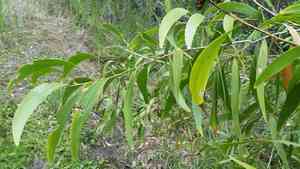
The most suitable period for relocating earleaf acacia is mid-spring, as moderate temperatures facilitate root development. Select a bright location featuring soil that drains effectively. Should it be required, enrich the soil with organic material to stimulate vigorous growth.
Essential Preparations Before Relocating Earleaf Acacia?
When is the Best Time to Move Earleaf Acacia?
The optimal period for relocating earleaf acacia falls during the pleasant, mild days of mid to late spring. This timeframe provides a balance of cooler, damp soil and rising air temperatures, creating an ideal setting for earleaf acacia to establish its root system without the stress of intense summer heat or winter cold. Transplanting earleaf acacia within this window ensures a smooth transition, fostering strong growth and minimizing transplant shock. Additionally, spring rains contribute to natural irrigation, nurturing the young earleaf acacia as it adapts to its new location and extends its roots in preparation for the active growing season ahead.
What Distance Should Be Maintained Between Earleaf Acacia Plants?
For optimal development of earleaf acacia, position each plant 15-20 feet (4.5-6 meters) apart. This spacing allows ample room for the plant to expand its branches and root system without crowding nearby specimens. Enjoy your gardening!
What is the Recommended Soil Mixture for Earleaf Acacia Transplanting?
Earleaf acacia flourishes in well-draining sandy or loamy soil. Incorporate a foundational fertilizer rich in nitrogen, phosphorus, and potassium. A week prior to transplanting, blend these into the soil to boost its fertility. New gardeners, rest assured, it's straightforward!
Where Should You Replant Your Earleaf Acacia?
Select a sunny spot for your earleaf acacia as it thrives in full sunlight. It can also endure partial shade. Aim to find a location in your garden where it can receive sunlight for most of the day. Remember, plants bathed in sun are content plants!
What Tools Should You Prepare Before Relocating Earleaf Acacia?
Gardening Gloves
To safeguard your hands while handling soil and earleaf acacia.
Shovel/Spade
For excavating a hole for your new plant and extracting the earleaf acacia from its original spot.
Pruning Shears
To trim any damaged or lifeless branches before the relocation.
Garden Hose or watering can
To hydrate your plant before and after its move.
Burlap/Cloth
To carefully wrap and transport the root ball of your earleaf acacia to prevent harm.
How Do You Extract Earleaf Acacia from the Ground?
How Do You Extract Earleaf Acacia from the Ground?
From Ground: Begin by watering your earleaf acacia plant to moisten the soil, which facilitates easier and less stressful removal for the plant. Then, using a shovel or spade, dig a wide trench around the earleaf acacia, ensuring the root ball remains intact. Carefully work the spade beneath the root ball and gently lift the plant.From Pot: If your earleaf acacia is in a container, water it first to ease its removal. Turn the pot on its side, then gently tap it to loosen the soil and roots. Hold your earleaf acacia at its base and carefully pull it out.From Seedling Tray: For young plants, use a spoon or small implement to carefully scoop out the earleaf acacia plant without harming its delicate roots.
Step-by-Step Guide for Relocating Earleaf Acacia
Plant Preparation
Trim any damaged or dead branches on your earleaf acacia using pruning shears. This helps reduce stress during the relocation process.
Hole Preparation
Dig a hole with your shovel that is twice as wide and the same depth as the root ball of your earleaf acacia plant.
Transplanting
Position your earleaf acacia in the hole. The top of the root ball should be level with the surrounding ground. Backfill the hole with soil, gently compacting it around the plant.
Watering
Water your earleaf acacia generously immediately after transplanting to help settle the soil.
How Do You Care For Earleaf Acacia After Relocation?
Pruning
Regularly prune your earleaf acacia to encourage denser and healthier growth. This also helps the plant direct its energy towards developing strong roots.
Watering
Maintain consistent soil moisture. Excessive watering can lead to root disease, but earleaf acacia also requires sufficient water to establish itself. Be sure to adjust watering based on weather conditions, increasing it during dry spells and decreasing it during rainy periods.
Weed and Pest Control
Monitor for weeds and pests that could harm your newly relocated earleaf acacia. Remove weeds regularly and employ suitable, plant-friendly pest control methods.
Patience
Remember, it may take some time for your relocated earleaf acacia to show new growth. Provide it with time and care, and it will thrive.
Addressing Common Issues with Earleaf Acacia Relocation.
When is the best time to move earleaf acacia?
The optimal period to relocate earleaf acacia is during late spring to early summer, corresponding to the 'S2-S3' stages.
What is the ideal spacing for relocating earleaf acacia?
You want to provide your earleaf acacia ample room to grow. Ideally, maintain a distance of approximately 15-20 feet (4.5-6 meters).
What size should the hole be for relocating earleaf acacia?
The hole should be twice the width of the root ball and of equal depth. You want your earleaf acacia to have plenty of space to grow.
What are some indicators that earleaf acacia has been successfully relocated?
Earleaf acacia should display vigorous growth and fresh foliage after a successful relocation. If you observe these signs, well done!
What if the relocated earleaf acacia shows signs of wilting?
Occasional wilting after relocation is normal. However, if it persists, ensure earleaf acacia is receiving adequate but not excessive water. Inspect the soil and adjust the watering schedule accordingly.
Why are the leaves of my relocated earleaf acacia turning yellow?
Yellowing leaves might indicate overwatering or poor drainage. Ensure your earleaf acacia is not waterlogged and that the soil drains effectively.
Are fertilizers necessary when relocating earleaf acacia?
Yes, but use them sparingly. Too much fertilizer can damage the roots. Use a slow-release fertilizer and follow package instructions for optimal results.
How should I water my relocated earleaf acacia?
Deep and infrequent watering is most effective. This encourages deeper root growth and enhances your earleaf acacia's resilience during dry spells.
Should I prune earleaf acacia before relocating?
Give earleaf acacia a light trim before relocating to remove any diseased or damaged branches. This helps your plant focus its energy on establishing new roots.
How can I prevent transplant shock in my earleaf acacia?
Water earleaf acacia thoroughly before relocating, prune lightly, and ensure the planting hole is sufficiently spacious for the roots. After relocating, keep the soil consistently moist but not saturated.



