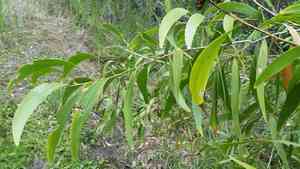
Earleaf acacia(Acacia auriculiformis)

Earleaf acacia (Acacia auriculiformis)

Also known as: Papuan Wattle, Tan wattle, Earpod wattle, Akashmoni

The earleaf acacia (Acacia auriculiformis) is a rapidly growing evergreen tree that can reach heights of 10 to 20 meters, though it can occasionally grow taller. It often features a rugged, multi-stemmed trunk and blooms with bright yellow, spiked flower clusters, primarily in the spring. Each tree is capable of producing a substantial number of seeds annually, around 47,000.

**Environmental Impact:**
- **Advantages:**
- Enhances soil quality by fixing nitrogen, which benefits other plants.
- Useful for controlling soil erosion due to its robust root system.
- Provides wood for various uses, including construction and fuel.

- **Drawbacks:**
- Invasive potential: Can overrun native plant species, harming local biodiversity.
- Alters ecosystems: Changes in soil properties and water availability.
- Hard to eradicate: Persistent growth from root systems.

In summary, while earleaf acacia has practical applications, its invasive tendencies pose a threat to native ecosystems.

Attributes of Earleaf acacia

Lifespan
Perennial
Plant Type
Tree, Shrub
Plant Height
11 m to 12 m
Spread
8 m to 11 m
Leaf Color
Green Orange
Flower Size
5 cm to 8 cm
Flower Color
Yellow

ForwardPlant - Identify plants with a snap

Identify and diagnose plants, get toxicity alerts, and explore safety guides for all types of fungi.

Try for Free

Images of Earleaf acacia

Earleaf acacia(Acacia auriculiformis)

Quickly Identify Earleaf acacia

1
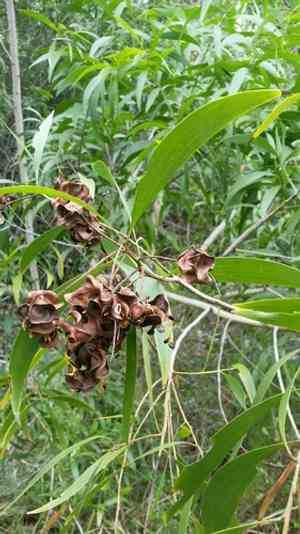
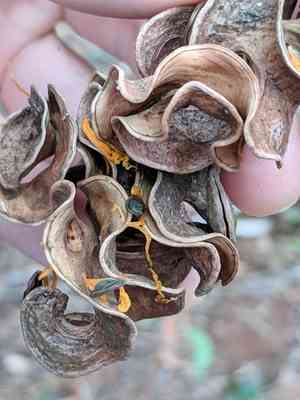
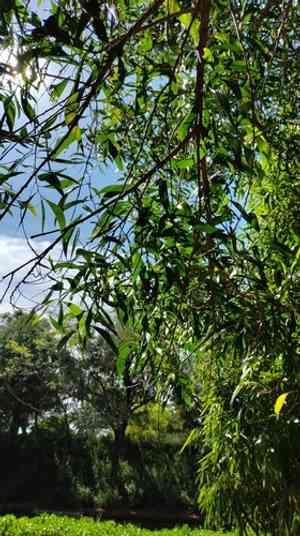
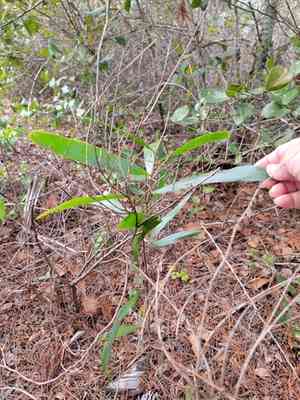
Identify Acacia auriculiformis by its distinctive ear-shaped phyllodes (modified leaf stems) at the base. The phyllodes are leathery, 10-20 cm long, and 2-4 cm wide. The tree also has bright yellow cylindrical flower spikes.

Scientific Classification of Earleaf acacia

Phylum
Vascular plants
Class
Dicotyledons
Order
Fabales
Family
Legume
Genus
Acacias
Species
Earleaf acacia

Planting and Growing of Earleaf acacia

Care Difficulty
Easy
Watering Schedule
Every 3 days
Sunlight Requirements
Full sun
Sunshine Duration
4-8 hours
Ideal Temperature
68-86℉
Soil Type
Potting Mix, Peat Mix
Soil pH
6.5-7.5
Fertilizer Type
Balanced
Pruning Season
Spring, Summer
Pruning Area
Branches, Leaves
Pruning Frequency
2 times a year
Repotting Season
Spring
Pot Type
Plastic, Ceramic

water icon How to Water Earleaf acacia?

For Acacia auriculiformis, apply a watering scheme based on its natural habitat of well-drained soils. Ensure the soil is moist but never waterlogged. Aim for approximately 500 ml per watering, just enough to keep the roots hydrated without drowning them.
What are the symptoms of an underwatered Earleaf acacia?
What should I do if my Earleaf acacia is not getting enough water?
What are the symptoms of an overwatered Earleaf acacia?
How to save an overwatered Earleaf acacia?

sunlight icon What Are the Sunlight Requirements for Earleaf acacia?

Sunlight Requirements: Full sun, Partial sun
Duration of light: 6 to 8 hours
Acacia auriculiformis ideally thrives in full sun to partial sun locations. This exposure ensures it gets ample energy for photosynthesis, resulting in vibrant foliage and better flowering, promoting lush and vigorous growth.
How much light does Acacia auriculiformis need?
Solutions for achieving ideal lighting
Benefits of ideal lighting
More About Sunlight Requirements Techniques

temperature icon What Is the Ideal Temperature Range for Earleaf acacia?

Ideal Temperature: 68 ~ 86℉
The ideal temperature range for Acacia auriculiformis is between 68°F and 86°F. This range ensures optimal growth and photosynthesis, providing a conducive environment for the plant to thrive.

soil icon What Soil is Best for Earleaf acacia?

Soil type: Sandy soil, Loam, Clay soil
Soil PH: 6.5 ~ 7.5
Acacia auriculiformis thrives best in well-drained soil as it prevents root rot. This is crucial for maintaining root health, ensuring the plant absorbs nutrients effectively and promotes vigorous growth. A soil rich in nutrients such as nitrogen and phosphorus promotes robust growth in Acacia auriculiformis. These nutrients are vital for strong root development and lush foliage, which in turn supports the overall health of the plant. While the soil should be well-draining, it also needs to retain some moisture to ensure that Acacia auriculiformis remains hydrated. This balance prevents over-drying while reducing the risk of waterlogging, fostering a healthy growing environment.

fertilize icon How to Fertilize Earleaf acacia?

Fertilizer type: Balanced
For Acacia auriculiformis, apply about a half dose of liquid fertilizer per month during the growing season. Use a balanced 10-10-10 or 20-20-20 formula, ensuring not to over-concentrate the nutrients, which may result in root damage. A quarter to half a teaspoon per gallon of water should suffice.

prune icon How to Prune Earleaf acacia?

Pruning Time: Spring, Summer
Start by removing any dead, diseased, or damaged branches. This helps the plant conserve energy and allows it to direct nutrients to healthy parts. When cutting, make sure to prune at a 45-degree angle to encourage new growth. Trim back elongated branches to prevent the plant from becoming too leggy and to maintain a well-balanced shape. To shape the canopy of Acacia auriculiformis, focus on thinning out dense areas to improve light penetration. This can alleviate stress on the plant and encourage flowering. Cut back branches that cross each other or grow inwards, as this will promote a more open structure. Always use sharp, clean tools to minimize damage to the plant. More About Pruning Techniques

propagate icon How to Propagate Earleaf acacia plant?

Propagate Time: Early spring, Late spring, Early summer
1
Before sowing, seeds of Acacia auriculiformis should be treated by soaking in hot water for 12-24 hours. This scarification method helps to break seed dormancy and promote germination.
2
Sow the treated seeds in a seed tray filled with well-draining soil or a seed-starting mix. Cover the seeds lightly with soil and water gently, ensuring the soil remains moist but not waterlogged.
3
Select healthy, semi-hardwood cuttings that are 10-15 cm long. Use clean pruning shears to make a clean cut below a node, and remove any leaves from the lower part of the cutting.
More About Propagating Techniques

repot icon How to Repot Earleaf acacia plant?

Repotting frequency: Every 2-3 years
1
Look for signals like slower growth, roots growing out of drainage holes, or water sitting on the surface, indicating it's time for repotting. For Acacia auriculiformis, these signs usually manifest as exhaustion of soil nutrients or constrained root spaces, demanding relocation to a larger pot.
2
Select a pot that is 2 inches larger in diameter than the current one, ensuring enough space for root growth. A larger pot helps prevent root-bound conditions, promotes healthy growth, and provides better stability for the tall structure of Acacia auriculiformis.
3
Opt for well-draining, sandy loam soil to mimic its natural environment and prevent waterlogging. This type of soil enhances root aeration, lowers the risk of rot, and delivers optimal conditions for Acacia auriculiformis to thrive.

ForwardPlant - Identify plants with a snap

Find the best spots for them to optimize their health, simply using your phone.

Try for Free