How Much Sunlight Do Earleaf acacia Need?
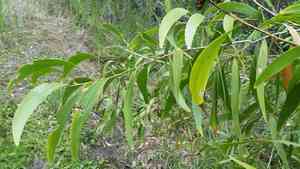
1
Earleaf acacia flourishes optimally with over 6 hours of direct sun exposure each day.
2
Insufficient light can lead to stunted development and reduced flowering in Earleaf acacia.
3
Some shade is acceptable, but not optimal for the best growth and vitality of the Earleaf acacia.
Optimal Light Conditions for Earleaf acacia
Full Sun vs. Partial Shade
Regarding the best light for Earleaf acacia, these robust plants thrive in full sun. Full sun means they get at least 6 hours of direct, unfiltered sunlight daily. While they can endure partial shadeâwhere they might receive filtered or less direct light for part of the dayâthis is not their preferred setting. Full sun promotes peak growth and flowering. In a shaded spot, you might observe stunted development or less vibrant foliage.
Daily Light Requirements
For Earleaf acacia to flourish, it requires a significant daily amount of sunlight. Aim for a minimum of 6 hours of direct sun each day. This could mean planting your Earleaf acacia in a south or west-facing position to maximize its light intake. If you're unsure if your plant is getting enough light, observe its leaves and overall vigor. A healthy, well-lit Earleaf acacia will display strong green foliage and a sturdy form.
Seasonal Light Changes
As seasons shift, so does the sunlight your Earleaf acacia receives. During summer, sunlight is more intense and lasts longer, which benefits the plant. However, in winter, especially in areas with shorter days, your Earleaf acacia might get less sun. In such instances, adapting to seasonal variations may be necessaryâlike moving potted plants to sunnier spots or using reflective surfaces to boost light exposure if grown indoors.
Maximizing Light Exposure for Earleaf acacia
Ideal Planting Locations
Selecting the correct site to plant your Earleaf acacia is vital for its success. Choose areas not blocked by buildings, large trees, or structures that could cast long shadows. Ideally, a north-facing location might be perfect in the southern hemisphere, while a south-facing spot works best in the northern hemisphere. These positions ensure your plant receives the most light throughout the day.
Adapting for Indoor Cultivation
If you're growing Earleaf acacia indoors, placement becomes even more crucial. Ensure your plant is situated near large windows that receive ample sunlight. A sunny windowsill with southern or western exposure is perfect. If natural light is limited, you might need to supplement with grow lights that mimic the sunâs spectrum to ensure the plant gets sufficient light for growth.
Utilizing Reflective Materials
Sometimes, even in well-chosen spots, sunlight exposure might be insufficient. In such cases, reflective materials can assist. Surrounding your Earleaf acacia with reflective surfaces like white walls, mirrors, or aluminum foil can help direct light onto the plant. This method maximizes the amount of light the plant receives without needing to alter its position.
Indications of Insufficient or Excessive Light
Signs of Low Light
If your Earleaf acacia isnât receiving enough sunlight, it will exhibit certain symptoms. Look for elongated stems as the plant stretches towards light sources, a condition known as etiolation. The leaves might become pale green or yellow, and overall growth will be slower. Fewer flowers may appear, and the plant might seem generally weak.
Effects of Too Much Light
Conversely, too much sunlight, particularly in extremely hot climates, can also be harmful. Signs include scorched or sunburned leaves which appear brown and crispy at the edges. Prolonged exposure to intense sunlight without adequate hydration can lead to stress and damage, negating the advantages of sufficient light.
Balancing Light for Healthy Development
The aim is to achieve a perfect equilibrium for your Earleaf acacia. Ensure it receives over 6 hours of direct sunlight daily, with a bit of shade during peak afternoon hours in extreme heat to prevent scorching. This balance promotes strong, healthy growth without overwhelming the plant or depriving it of necessary light. Regularly observe your plant and adjust its placement as needed to maintain optimal health.



