The Earleaf acacia Plant Advantage: Maximizing Home and Office Appeal and Wellness
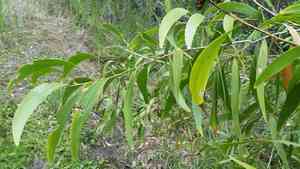
1
Excellent for preventing soil erosion because of its widespread root network.
2
Contributes to better soil health by fixing nitrogen.
3
Provides useful timber and animal feed, supporting farming and manufacturing.
What Makes Earleaf acacia Eco-Friendly?
Efficient Nitrogen Fixation
A key ecological advantage of Earleaf acacia is its capacity to fix nitrogen in the soil. Through a symbiotic relationship with specific root nodule bacteria, it converts atmospheric nitrogen into a form plants can readily absorb. This process enriches the soil with vital nutrients, fostering healthier plant growth and lessening the need for chemical fertilizers. Enhanced nitrogen levels can also boost nearby crop productivity, making Earleaf acacia an excellent choice for intercropping and sustainable farming.
Erosion Control
Earleaf acacia is well-suited for erosion control due to its extensive root system. These roots anchor the soil, preventing erosion caused by wind and water. The plant's foliage also reduces the impact of raindrops on the soil surface, further minimizing erosion. This makes Earleaf acacia a valuable plant for rehabilitating degraded lands, stabilizing slopes, and protecting riverbanks.
How Does Earleaf acacia Benefit Agriculture?
Improving Soil Health
Beyond nitrogen fixation, Earleaf acacia improves soil structure by adding organic matter. Its fallen leaves and other plant residues decompose, contributing to humus formation and increasing soil fertility. The organic matter enhances soil aeration, water retention, and nutrient-holding capacity, creating a favorable environment for root development and plant growth.
Providing Quality Fodder
Earleaf acacia serves as an excellent source of fodder for livestock. Its leaves and pods are rich in protein and other essential nutrients, making them highly nutritious for animals. Utilizing Earleaf acacia as fodder can significantly reduce the need for commercial feed, lowering costs for farmers and promoting more sustainable livestock farming practices.
What Are the Industrial Uses of Earleaf acacia?
Versatile Wood
Earleaf acacia produces high-quality wood, prized for its strength and durability. The wood is used in furniture-making, construction, and even as fuelwood. Its versatile nature makes it an asset in various industries, contributing to local economies while providing a renewable resource.
Gum Production
Earleaf acacia is also known for its gum, which has numerous industrial applications. The gum is used in the food industry as a stabilizer and emulsifier, in the pharmaceutical industry for its binding properties, and even in the cosmetic industry for skincare products. The economic potential of Earleaf acacia gum adds yet another layer of benefit to this incredible plant.
How Can Earleaf acacia Enhance Biodiversity?
Habitat for Wildlife
Earleaf acacia provides a habitat for various wildlife species. Its dense foliage offers shelter and nesting sites for birds, while its flowers attract pollinators like bees and butterflies. By incorporating Earleaf acacia into your landscape, you can promote biodiversity and contribute to the conservation of local ecosystems.
Supporting Pollinators
The flowers of Earleaf acacia are a vital food source for many pollinators. Pollinators play a crucial role in the reproduction of many plants, including important crops. By supporting these helpful creatures, Earleaf acacia indirectly benefits agricultural production and helps maintain healthy ecosystems.
How to Cultivate Earleaf acacia Successfully?
Optimal Growing Conditions
Earleaf acacia thrives in a variety of soil types, although it prefers well-drained soils. It is highly adaptable to different climatic conditions but performs best in tropical and subtropical regions. When planting Earleaf acacia, ensure it's in a location that receives ample sunlight and has adequate water drainage.
Propagation Methods
Earleaf acacia can be propagated through seeds or cuttings. For seed propagation, pre-treatment such as scarification or soaking in hot water can improve germination rates. For cuttings, use healthy, semi-mature wood and plant them in a mix of sand and compost to encourage root growth. Regular watering and proper care will help young plants establish themselves quickly.



