How to Prune Earleaf acacia?
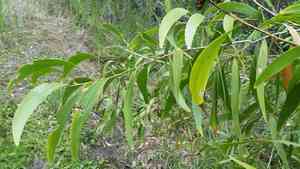
Recognized for its crescent-shaped, auriculate seed vessels, earleaf acacia is a perennial tree flourishing in equatorial and semi-tropical zones. For optimal outcomes, conduct pruning in the winter season when development is minimal. Consistent trimming preserves its form, manages its dimensions, and encourages more abundant leaves. Eliminate any lifeless or ailing limbs and thin the crown to enhance airflow. Pruning guarantees vigorous well-being, diminishes the likelihood of storm-related harm, and encourages blooming and the creation of pods, which are crucial for this plant's distinctive reproductive cycle.
Advantages of Trimming Earleaf Acacia
Advantages of Trimming Earleaf Acacia
Trimming earleaf acacia promotes robust development and helps maintain its desired form. Consistent cutting leads to dense foliage and an organized plant structure, enhancing both visual appeal and plant vitality.
Optimal Time for Pruning Earleaf Acacia
Optimal Time for Pruning Earleaf Acacia
Pruning earleaf acacia from late winter to early spring is ideal since the plant is still dormant. This timing allows for the removal of any damaged or diseased wood without stressing the plant, as it hasn't yet invested energy in new leaves or flowers. Furthermore, pruning before new growth begins helps direct the plant's energy towards producing healthy new growth, which can improve flowering and the overall shape of earleaf acacia. It also minimizes infection risk, as many pathogens are less active in colder months. This period offers better visibility of the plant's structure, as the absence of foliage makes it easier to make precise cuts that support the plant's desired shape and health.
Tools Required for Pruning Earleaf Acacia
Bypass Pruners
Perfect for making clean cuts on live branches of earleaf acacia up to approximately 1/2 inch in diameter. Their scissor-like action provides precise control, crucial for preventing plant damage.
Loppers
Suitable for cutting thicker branches of earleaf acacia, typically those up to 1 and 1/2 inches in diameter. The extended handles offer leverage, simplifying cuts and reaching higher or deeper branches with less effort.
Pruning Saw
Essential for cutting branches exceeding 1 and 1/2 inches in thickness. Earleaf acacia may have some larger branches that necessitate this tool for effective removal without causing strain or injury to the gardener.
Pole Pruner
Useful for accessing the higher branches of earleaf acacia without needing ladders, ensuring safety when pruning taller specimens.
Gardening Gloves
Crucial for protecting hands from thorns and rough bark while pruning earleaf acacia.
Protective Eyewear
To shield eyes from flying debris when cutting branches of earleaf acacia.
Clean, Sharp Tools
Ensuring all tools used on earleaf acacia are clean and sharp will help prevent disease spread and make pruning tasks more efficient.
How to Prune Earleaf Acacia
Cleaning Tools
Before beginning, clean and sanitize pruning tools to prevent disease transmission to earleaf acacia. Use a solution of 1 part bleach to 9 parts water to disinfect the blades.
Identifying
Examine earleaf acacia for dead or diseased branches. These will often appear dry, brittle, and may have discolored bark or foliage, unlike healthy limbs.
Cutting Dead Branches
Using sharp shears or a handsaw, make clean cuts to remove dead branches. Cut at a slight angle about a quarter inch above a healthy bud or branch, being careful not to tear the bark.
Removing Diseased Branches
Prune diseased branches on earleaf acacia well below the affected area to ensure complete disease removal. Avoid cutting too close to the main trunk or healthy branches to prevent damage to earleaf acacia.
Disposal
Properly dispose of removed dead and diseased branches. Do not compost as this can spread disease. Burn them if local regulations permit or dispose of them with yard waste.
Common Pruning Errors with Earleaf Acacia
Excessive Pruning
Removing too much growth in one session can stress earleaf acacia, leading to stunted development or increased vulnerability to disease.
Insufficient Pruning
Failing to remove enough material can result in earleaf acacia becoming dense and poorly shaped, with reduced air circulation and sunlight penetration.
Incorrect Cut Placement
Cutting too far from a bud or node, or leaving a large stub, can hinder earleaf acacia's proper healing and encourage pest or disease entry.
Using Dull Tools
Pruning with dull tools can cause jagged cuts that are more detrimental to earleaf acacia and impede healthy regrowth.
Tearing Branches
Forcing or tearing branches instead of cutting cleanly can damage the bark and cambium layer of earleaf acacia, leading to weakened structure and potential disease sites.
General Pruning Advice for Earleaf Acacia
Clean Cuts
Employ sharp, clean pruning tools to make precise cuts that earleaf acacia can heal quickly from, minimizing disease risk.
Structural Pruning
Focus on removing dead, damaged, or crossing branches to maintain a strong, healthy structure for earleaf acacia, promoting longevity and an aesthetically pleasing shape.
Thinning Out
Thin out dense areas to enhance air circulation and light penetration, which are vital for the overall health and flowering of earleaf acacia.
Encouraging New Growth
Make cuts just above outward-facing buds or nodes to direct new growth away from the center of earleaf acacia, improving the plant's form and flowering potential.
Monitor Health
Regularly assess earleaf acacia's health and growth patterns to guide pruning decisions, aiming for gradual shaping and corrective action.



