How to Transplant Chinese abelia?
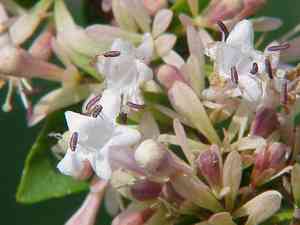
The most favorable period for relocating chinese abelia is amidst the mild temperatures of mid to late spring, enabling its root system to settle prior to the summer season. Choose a location that receives full sun to partial shade and possesses soil with good drainage. Gradual irrigation after transplantation fosters vigorous development.
What Preparations are Necessary Before Relocating Chinese Abelia?
What is the Optimal Period for Relocating Chinese Abelia?
Relocating chinese abelia as the vitality of mid-spring emerges, or during the refreshing embrace of late spring, promotes vigorous development. These periods offer mild temperatures and extended daylight, providing chinese abelia with crucial establishment phases before the summer heat. With milder weather, roots recover and anchor themselves more effectively, leading to a stronger, more resilient plant. Embrace these seasons for a smooth transition to a thriving garden space.
How Much Space Should You Allow Between Chinese Abelia Plants?
Relocate chinese abelia with a spacing of approximately 2-4 feet (60 to 120 cm). This ensures the plants have ample room to expand and develop their root systems without competing for resources, making your garden or container appear lush and full.
What is the Best Soil Mixture for Chinese Abelia Relocation?
Prior to relocating chinese abelia, prepare loamy, well-draining soil. Incorporate a foundational fertilizer rich in organic matter to give the plant an excellent start. Apply this at least a week before planting to ensure the soil is adequately nourished!
Where Should You Replant Your Chinese Abelia?
Choose a location where chinese abelia will receive full to partial sun. They thrive with at least 6 hours of sunlight daily, but try to avoid placing them in areas with intense afternoon sun to prevent 'leaf-scorch'. Happy planting!
What Equipment Should You Prepare Before Relocating Chinese Abelia?
Gardening Gloves
To safeguard your hands when handling soil and the chinese abelia plant.
Shovel
For excavating planting holes and extracting chinese abelia from its initial spot.
Hand Pruners
For trimming the roots of your chinese abelia plant if necessary.
Watering Can
To hydrate chinese abelia initially when removing from its previous location and then after replanting.
Mulch
To assist in retaining soil moisture around the newly relocated chinese abelia.
Organic matter (compost)
For enriching the planting hole to promote better growth of chinese abelia.
Trowel
For smaller digging tasks and precise placement of chinese abelia in the planting hole.
How Do You Extract Chinese Abelia from the Soil?
How Do You Extract Chinese Abelia from the Soil?
From Ground: Begin by watering the chinese abelia plant to soften the earth. Next, excavate a reasonably wide trench around the plant using your shovel, ensuring to preserve the integrity of the plant's root ball. Gently slide the spade beneath the root ball and lift the plant from its original position. Avoid breaking the roots during this process.From Pot: Start by watering the chinese abelia plant in its container. Turn the pot on its side, tap it gently to loosen the plant. Carefully pull the chinese abelia plant out, supporting the stem and root ball. Be cautious not to harm the plant's roots.From Seedling Tray: Water the chinese abelia seedlings. Gently squeeze the base of each cell or use a small tool (like a butter knife) to ease the seedling out, making sure to support the root ball.
Step-by-Step Guide for Relocating Chinese Abelia
Prepare the Plant
Thoroughly water chinese abelia for several hours before the relocation process.
Dig the hole
Use your shovel to excavate a hole, two to three times the width of the root ball of your chinese abelia. Add some organic matter to further enrich the pit.
Place the Plant
Position chinese abelia in the hole ensuring the top of the root ball is level with the soil surface. Avoid burying the plant's stem into the ground.
Backfill
Return the excavated soil into the hole carefully, covering the roots. Maintain a gentle firmness while doing so to ensure no large air pockets remain.
Watering
Water the chinese abelia generously, immediately after planting. Saturate the entire planting area to encourage the roots to establish into their new space.
Mulching
Cover the planting area with mulch. This aids in maintaining soil moisture and inhibiting weed growth.
How Do You Care For Chinese Abelia After Relocation?
Watering
Consistent watering is vital for the first two weeks after relocation to help the chinese abelia establish. Check the soil moisture regularly, and ensure the soil around the plant remains consistently damp but not waterlogged.
Pruning
Any dead, dying, or diseased branches should be trimmed to allow the chinese abelia to focus its energy on developing new roots.
Protecting
Shield the relocated chinese abelia from extreme weather by providing covers or temporary shade as needed, especially in the initial weeks following replanting. However, remember to remove covers as soon as possible to allow adequate air circulation and light penetration to chinese abelia.
Troubleshooting Common Issues with Chinese Abelia Relocation.
When is the optimal time to relocate chinese abelia?
The recommended period to relocate chinese abelia is in mid to late summer, due to its growth cycle.
How much space should be between each chinese abelia after relocation?
Provide ample space between chinese abelia, ideally 2-4 feet (0.6-1.2 meters) to allow for comfortable growth.
Why are the leaves of my relocated chinese abelia turning yellow?
Yellow leaves may indicate over-watering, poor drainage, or insufficient nutrients. Review your watering routine and soil conditions.
What type of soil does chinese abelia prefer?
Chinese abelia thrives in well-drained soil, ideally rich in organic matter. Acidic to neutral pH (6.0-7.0) is optimal.
How do I ensure the successful relocation of chinese abelia?
Relocate chinese abelia with its root ball intact. Water immediately after planting, and regularly thereafter to aid recovery.
What should I do if chinese abelia doesn't seem to grow after relocation?
Check soil and water conditions. Chinese abelia prefers well-drained soil and moderate watering. Excessive watering or poorly drained soil may impede growth.
Can I relocate chinese abelia in a pot?
Absolutely! Chinese abelia can adapt well in a container, but ensure it has sufficient room to grow and good drainage capabilities.
Why is my relocated chinese abelia wilting?
Wilting could be due to transplant shock. Keep soil moist, avoid direct sunlight, and consider using a root stimulator for a couple of weeks.
How much sunlight does chinese abelia need after relocation?
Chinese abelia prefers full sun to partial shade. Too much direct sunlight, particularly in hot weather, can cause leaf burn.
How do I handle chinese abelia root ball during relocation?
Hold chinese abelia at the base near soil level during handling. Be careful not to damage the root ball or the stems.



