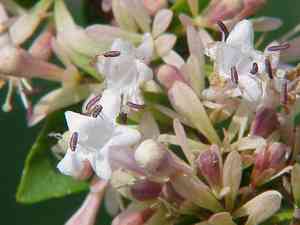
Chinese abelia (Abelia chinensis)
Also known as: Chinese Abelia
Chinese abelia (Abelia chinensis) is a deciduous shrub reaching heights of 1.5 to 2.5 meters. It produces fragrant, white tubular flowers from summer to fall, attracting butterflies. For optimal growth, it prefers full sun to partial shade and thrives in moist, well-drained, slightly acidic soil. This plant is originally from China.
In This Article
Attributes of Chinese abelia
Lifespan
Perennial
Plant Type
Shrub
Plant Height
2 m
Spread
90 cm to 1.5 m
Leaf Color
Green Red Orange
Flower Size
2.5 cm
Flower Color
White Pink
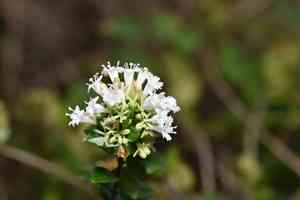
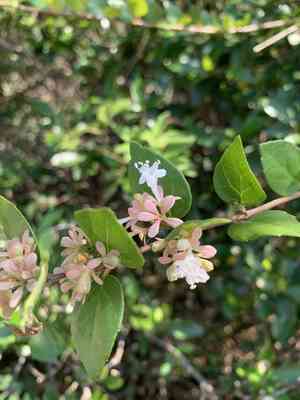
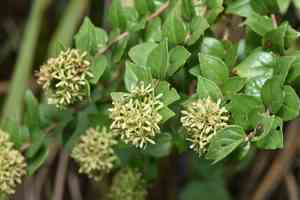
Images of Chinese abelia
Scientific Classification of Chinese abelia
Phylum
Vascular plants
Class
Dicotyledons
Order
Honeysuckles, moschatels and allies
Family
Honeysuckle
Genus
Abelia
Species
Chinese abelia
Planting and Growing of Chinese abelia
Care Difficulty
Easy
Watering Schedule
Every 3 days
Sunlight Requirements
Full sun
Sunshine Duration
6-10 hours
Ideal Temperature
60-75℉
Soil Type
Potting Mix, Peat Mix
Soil pH
6.5-7.5
Fertilizer Type
Balanced
Pruning Season
Spring, Summer
Pruning Area
Branches, Leaves
Pruning Frequency
2 times a year
Repotting Season
Spring
Pot Type
Plastic, Ceramic
 How to Water Chinese abelia?
When watering Abelia chinensis, it's essential to keep the soil consistently moist but not soggy. Watering with approximately 500 ml per session allows the moisture to reach the root zone without waterlogging the roots, promoting healthy growth but avoiding root rot.
What are the symptoms of an underwatered Chinese abelia?
›
What should I do if my Chinese abelia is not getting enough water?
›
What are the symptoms of an overwatered Chinese abelia?
›
How to save an overwatered Chinese abelia?
›
 What Are the Sunlight Requirements for Chinese abelia?
Abelia chinensis thrives best in full to partial sunlight, where exposure to sunlight ranges from 4 to 6 hours per day. Optimal light encourages blooming and lush foliage.
More About Sunlight Requirements Techniques→
How much sunlight does Abelia chinensis need?
›
How can you ensure Abelia chinensis gets ideal lighting?
›
What are the benefits of ideal lighting for Abelia chinensis?
›
 What Is the Ideal Temperature Range for Chinese abelia?
Abelia chinensis thrives best in temperatures ranging from 60°F to 75°F. This range ensures that the plant can carry out metabolic activities at an optimal rate, promoting vigorous growth and blooming. Maintaining this temperature range helps in achieving the best aesthetic and health outcomes for the plant.
 What Soil is Best for Chinese abelia?
Abelia chinensis thrives in soil that allows water to drain easily, preventing root rot. This type of soil ensures the roots get the right amount of oxygen and nutrients they require. Soil enriched with organic matter like compost supports the healthy growth of Abelia chinensis by providing essential nutrients and maintaining excellent moisture retention. While the soil should drain well, it also needs to hold enough moisture to keep Abelia chinensis hydrated, especially during dry spells.
 How to Fertilize Chinese abelia?
For Abelia chinensis, it's important to provide a balanced fertilizer at the right concentrations. Typically, use a 10-10-10 NPK formula. For liquid fertilizers, dilute halfway as per package instructions, utilizing about half a teaspoon per gallon of water. For slow-release formulas, spread evenly around the base, using a tablespoon every four months.
 How to Prune Chinese abelia?
Begin by sterilizing your pruning tools to prevent disease. Focus on removing any dead, diseased, or damaged branches. Aim to open up the plant's center, which aids in air circulation. Trim back any branches that cross each other to maintain a tidy appearance. Always cut at an angle just above a healthy bud to encourage new growth. Abelia chinensis can be pruned for shape and aesthetics. Decide on the shape you want; natural or formal. For a formal shape, more frequent light prunings might be necessary to maintain it. For a natural look, just trim back overgrowth and maintain its form without being too strict about symmetry.
More About Pruning Techniques→
 How to Propagate Chinese abelia plant?
1
Choose a healthy stem with no signs of disease. The stem should be semi-ripe, which means it should yield slightly and not snap when bent. The cutting should be about 10-15 cm long.
2
Remove the leaves from the lower half of the cutting to reduce moisture loss. Dip the cut end into rooting hormone to enhance its root development potential.
3
Insert the cutting into a pot filled with a well-draining propagation mix. Ensure the soil is moist but not waterlogged, and place the pot in a warm location with indirect light.
 How to Repot Chinese abelia plant?
1
Abelia chinensis should be repotted when you notice roots circling the pot, indicating they are pot-bound. Another sign is if water is not penetrating the soil easily, suggesting the soil has become compacted. Spring and autumn are the optimal seasons, as moderate temperatures help reduce stress on the plant during the transition.
2
Select a pot that is just a size larger than the current one to prevent excessive moisture retention, which can lead to root rot. Ensure the pot has drainage holes to allow excess water to escape, providing a healthier environment for the roots to grow.
3
A well-draining potting mix is crucial for Abelia chinensis, which prefers evenly moist but not waterlogged conditions. A mix with added perlite or sand will ensure adequate drainage, preventing issues such as root rot and promoting vigorous root development.
Toxicity
Ingesting or skin contact with sap which contains calcium oxalate
WARNING
The judgment on toxicity and danger is for reference only. We DO NOT GUARANTEE any accuracy of such judgment. Therefore, you SHALL NOT rely on such judgment. It is IMPORTANT TO SEEK PROFESSIONAL ADVICE in advance when necessary.
Learn More About Chinese abelia Diseases
Anthracnose
Bacterial Leaf Spot
Black Spot
Chemical Injury
Crown Gall
Damping-off
Downy Mildew
Drought Stress
Fusarium Wilt
Gray Mold
Leaf Curl
Leaf Spot
Mosaic
Nutrient Deficiency
Nutrient Toxicity
Powdery Mildew
Root Rot
Root-knot Nematode
Rusts
Sooty Mold
Spider Mites
Temperature Stress
Thrips Damage
White Mold



