Enhancing Your Garden Design with the Chinese abelia Plant: A Landscaping Guide
1
Chinese abelia is a adaptable plant that integrates well into diverse garden designs.
2
Correct positioning and seasonal maintenance are vital for optimizing the aesthetic appeal and vitality of Chinese abelia.
3
Chinese abelia can enhance your property's worth and benefit indigenous fauna.
Introducing Chinese Abelia to Your Landscape Design
The aesthetic appeal of Chinese abelia: Adding hue and texture
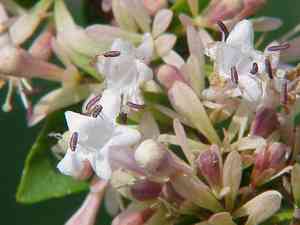
Regarding improving your garden's look, Chinese abelia is a top performer. With its delicate blossoms and rich foliage, Chinese abelia brings elegance and charm. Its flowers typically show various shades, from soft pinks to deep purples, offering a vivid contrast against its green leaves. Furthermore, the plant's textureâboth its leaves and flowersâadds depth and interest to any garden, making it a focal point in landscape planning.
Effortless integration: How Chinese abelia suits various garden styles
A key characteristic of Chinese abelia is its adaptability. Whether you have a contemporary, minimalist garden or a classic, cottage-style landscape, Chinese abelia can blend in smoothly. Its flexible nature allows it to complement other plants and garden features easily. For example, in a Japanese-style garden, Chinese abelia's subtle beauty can enhance the peaceful atmosphere, while in a more diverse setting, it can act as a unifying element among different plantings.
Optimal Placement of Chinese Abelia in Your Garden
Sunlight and shade: Discovering the ideal location
To ensure Chinese abelia flourishes in your garden, it's essential to find the right balance of sun exposure and shade. While Chinese abelia prefers full sun to partial shade, it can endure various light conditions. Ideally, select a spot where the plant will receive morning sun and some afternoon shade, especially in warmer climates. This positioning helps maximize bloom production while preventing the plant from getting scorched.
Companion planting: What thrives alongside Chinese abelia?
Selecting suitable companions for Chinese abelia can enhance your garden's overall health and beauty. Plants like lavender, salvias, and other perennials with similar light and water needs make excellent neighbors. These companions not only boost visual appeal but also support a diverse environment, which can deter pests and encourage robust growth.
Seasonal Considerations for Chinese Abelia
Spring and summer care: Maximizing growth and flowering
Spring is the perfect time to focus on nurturing Chinese abelia for abundant summer blooms. Consistent watering, especially during dry periods, and fertilizing with a balanced feed can promote healthy development. Removing spent flowers and dead or diseased branches encourages more blossoms and keeps the plant looking neat. Throughout the summer, continue to monitor moisture levels and apply mulch to retain soil hydration and suppress weeds.
Preparing Chinese abelia for autumn and winter
As days shorten, it's time to ready Chinese abelia for colder months. Reduce watering as the plant's growth slows, and apply a layer of mulch around the base to shield roots from freezing temperatures. In areas with harsh winters, consider using burlap to protect the plant from snow and ice. Additionally, a light pruning in late fall can help shape the plant and remove any weak or damaged branches, preparing it for a healthy return in spring.
Long-Term Advantages of Including Chinese Abelia in Your Landscape
Boosting property value with mature Chinese abelia
Mature Chinese abelia specimens are not only visually stunning but also significantly enhance your property's curb appeal. Prospective buyers are often attracted to well-maintained gardens, and a thriving Chinese abelia can indicate that the property has been impeccably cared for. Over time, this can lead to increased property value, making Chinese abelia a smart investment for both your garden and financial future.
Environmental impact: Supporting local wildlife
Chinese abelia offers more than just aesthetic benefits; it also plays a crucial role in supporting local ecosystems. Its flowers attract pollinators such as bees and butterflies, contributing to biodiversity and the well-being of your garden. The dense foliage provides shelter for various small creatures, creating a miniature habitat within your garden. By incorporating Chinese abelia into your landscape, you're taking a step towards fostering a healthier and more vibrant local environment.



