How to Prune Chinese abelia?
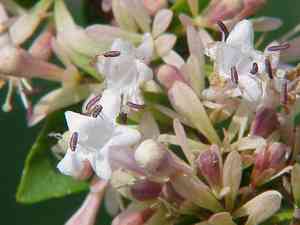
A deciduous shrub valued for its tubular blossoms and lustrous foliage, chinese abelia flourishes with regular trimming. To ensure robust development and plentiful flowers, eliminate deceased or intersecting branches in early spring prior to the appearance of new shoots. Lightly sculpt chinese abelia following its blooming period to preserve its inherent shape and stimulate the formation of buds for the subsequent season. Winter thinning improves air movement, which is vital for averting diseases. Pruning not only rejuvenates chinese abelia, but also supports dense growth, preventing it from becoming sparse.
Advantages of Trimming Chinese Abelia
Advantages of Trimming Chinese Abelia
Trimming chinese abelia promotes abundant flowering by eliminating spent blossoms and stimulates fresh growth capable of producing flowers. It also aids in preventing pest infestations and illnesses by removing potentially affected areas and enhancing air circulation around the plant.
Optimal Time for Pruning Chinese Abelia
Optimal Time for Pruning Chinese Abelia
The best periods for pruning chinese abelia are early spring before new growth begins, and late winter while the plant remains dormant. Pruning in early spring allows the gardener to clear away any dead or damaged branches prior to the start of the growing season, ensuring the plant's energy is directed towards supporting new, healthy growth. This timing also aligns with chinese abelia's natural growth cycle, minimizing stress and potential harm to the plant. Late winter pruning is similarly beneficial as it precedes the surge of spring growth, enabling the plant to recover quickly and produce robust new shoots when the growing season commences. Furthermore, pruning before flowering permits gardeners to enjoy the full display of blossoms that typically follows in the warmer months after the pruning cuts have healed. It is crucial to avoid cutting back chinese abelia too late in the growing season, as this can diminish the number of flowers and potentially harm the plant if new growth lacks sufficient time to harden off before colder weather.
Tools Required for Pruning Chinese Abelia
Hand Pruners
Essential for making clean cuts on chinese abelia's thinner stems, suitable for diameters up to 1/2 inch. Opt for bypass pruners over anvil types for a cleaner cut that encourages better healing.
Lopping Shears
Ideal for cutting through thicker branches of chinese abelia up to approximately 1 1/2 inches in diameter. Their long handles provide leverage and extended reach into the shrub.
Hedge Shears
Useful for shaping chinese abelia and trimming softer, leafy growth, especially when maintaining a hedge form. Allows for quick, even trimming of multiple small stems simultaneously.
Pruning Saw
Necessary for removing the oldest, thickest stems of chinese abelia, particularly if rejuvenation pruning is needed. Saws enable cutting of branches exceeding 1 1/2 inches in diameter.
Gloves
To safeguard your hands from thorns and scratches during the pruning of chinese abelia.
Pruning Sealant
While not always essential, can be applied to cover large wounds on chinese abelia to prevent disease entry, though a proper cut should naturally heal without it.
How to Prune Chinese Abelia
Clean The Tools
Before commencing the pruning process, sanitize the pruning tools to prevent the spread of diseases to chinese abelia.
Remove Unhealthy Parts
Carefully trim away diseased and withered leaves, as well as dead and diseased branches from chinese abelia to enhance health and appearance. Make clean cuts at a slight angle to avoid damaging healthy tissue.
Deadhead Flowers
Snip off spent flowers from chinese abelia to encourage new growth and subsequent blooming. Use precision to avoid harming nearby buds.
Thin Excessive Growth
Delicately thin out excessive growth branches to improve light penetration and air circulation within chinese abelia's canopy. This promotes healthy development and maintains the plant's shape.
Shape The Plant
Finally, trim chinese abelia to maintain the desired shape and size. Be careful not to cut more than a third of the total growth to prevent stressing the plant.
Common Pruning Errors with Chinese Abelia
Over-Pruning
Removing too much foliage from chinese abelia at once can stress the plant, hinder growth, and reduce flowering. It is crucial to limit pruning to no more than one-third of the plant at a time.
Improper Cut Placement
Cuts made too far from a bud or node can result in dead stubs susceptible to pests and diseases. Cuts too close can damage the bud, preventing new growth.
Using Dull Tools
Dull or dirty pruning tools can cause damage to chinese abelia's branches, leading to tears or increased disease risk. Always use clean, sharp tools for precise cuts.
Neglecting Shaping
Ignoring the natural growth habit of chinese abelia during pruning can lead to an unbalanced or unnatural appearance. Pruning should enhance the plant's form, not work against it.
Disregarding Health Removal
Failing to remove dead, diseased, or damaged wood can compromise chinese abelia's health and aesthetic appeal. Regular removal of unhealthy material is essential.
General Pruning Advice for Chinese Abelia
Mindful Cutting
Make cuts at a 45-degree angle, just above an outward-facing bud or node to encourage chinese abelia to grow outward, improving airflow and shaping.
Thinning Out
Thin out congested branches to allow light and air to penetrate chinese abelia's center, promoting healthy growth and reducing the risk of disease.
Regular Maintenance
Prune regularly to maintain chinese abelia's desired size and shape, encouraging new growth and more abundant blooms without causing shock to the plant.
Branch Collaring
When removing larger branches, cut outside the branch collarâthe swollen area where the branch meets the trunkâto facilitate proper healing and prevent disease entry.
Post-Blooming Pruning
Pruning after flowering allows gardeners to shape chinese abelia and remove old flowers, which can encourage a subsequent flush of blooms.



