How to Propagate Chinese abelia?
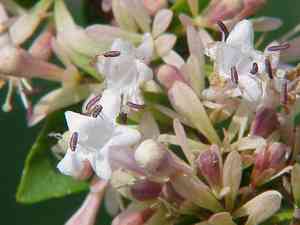
Chinese abelia can be successfully multiplied through semi-hardwood cuttings. For best outcomes, gather cuttings from vigorous, established plants during their periods of active development. The cut ends of the cuttings ought to be dipped in a rooting stimulant to foster root formation and then placed in a potting blend that drains efficiently. Steady humidity and warmth are crucial for encouraging root expansion, while preventing overly saturated conditions, which could cause decay. Offering a mix of filtered light and direct sun will aid in the establishment of chinese abelia cuttings, allowing them to flourish and ultimately develop into strong specimens.
When Is the Best Time To Propagate Chinese Abelia?
Propagation Type
Cutting
Propagation Season
Fall,Winter
What Tools Are Used in Chinese Abelia Propagation?
Sharp Pruning Shears
Crucial for making clean, precise cuts from chinese abelia, sharp pruning shears help ensure stems are not crushed or frayed, which could hinder rooting. A clean cut improves rooting success and lowers infection risk.
Rooting Hormone
This chemical compound encourages root development from chinese abelia cuttings. Applying rooting hormone to the fresh cut base of a stem helps speed up new root formation, greatly increasing propagation success. It's especially vital for hardwood cuttings that might otherwise root slowly or with difficulty.
Sterile Potting Mix
A pathogen-free sterile potting mix is vital for rooting chinese abelia cuttings. This medium offers a clean environment, minimizing disease risk to new roots. The mix should be light, well-draining, yet able to retain enough moisture to keep cuttings hydrated.
Propagation Trays
Used to organize and manage multiple chinese abelia cuttings in one contained space, these trays allow for efficient use of space and easier handling during rooting. Trays should have good drainage and ideally be paired with a humidity dome for optimal humidity levels.
Humidity Dome
Placed over propagation trays, a humidity dome helps maintain a moist environment around chinese abelia cuttings, which is crucial for preventing delicate new roots from drying out. The dome also helps regulate temperature, ensuring a stable environment for root development.
How to Propagate Chinese Abelia?
Propagation Type
Moderately Difficult
How to Care for Your Newly Propagated Chinese Abelia?
How to Care for Your Newly Propagated Chinese Abelia?
Once the chinese abelia cutting has rooted, gradually acclimate it to drier conditions by removing the plastic cover for increasing periods over a week. Then, transplant it into a larger pot with similar well-draining soil and continue to water regularly, allowing the top inch of soil to dry between waterings. Place the chinese abelia in a location with full sun to partial shade and protect it from extreme temperatures. Fertilize with a balanced feed during the growing season for optimal growth and flowering.
Common Mistakes to Avoid When Propagating Chinese Abelia
Overwatering cuttings
This can lead to root rot and fungal diseases, hindering the rooting process and potentially killing the cuttings.
Neglecting humidity needs
Chinese abelia cuttings require consistent humidity to root successfully. Without a humidity dome or regular misting, the cuttings may dry out and fail to root.
Using non-sterile tools and containers
This can introduce pathogens, which may cause the cuttings to become diseased and possibly die before they can establish roots.
Choosing poor cutting material
Selecting weak or diseased stems can result in poor root development or cuttings that do not survive. Healthy, robust stems are essential.
Ignoring pre-treatment
Failing to use a rooting hormone or similar pre-treatment can significantly reduce the rooting success rate of cuttings.
Tips For Propagating Chinese Abelia
Proper stem selection
Choose healthy, semi-hardwood stems from chinese abelia for cuttings; these are more likely to root and are less susceptible to disease.
Control moisture levels
Maintain steady moisture but not excessive water for cuttings; allowing the soil to slightly dry between waterings can promote root growth.
Use sterile equipment
Always propagate with sterilized tools and clean containers to minimize the risk of disease transmission.
Create ideal humidity
Use a humidity dome or plastic bag to create a humid environment around the cuttings, mimicking natural conditions that promote rooting.
Apply rooting hormone
Dip the cut end of the cuttings in rooting hormone to stimulate root growth, increasing the chances of successful propagation.



