Ideal Temperature for Spring pheasant's eye
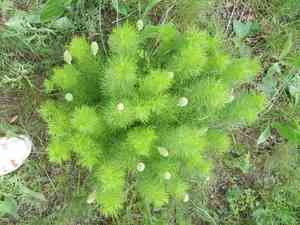
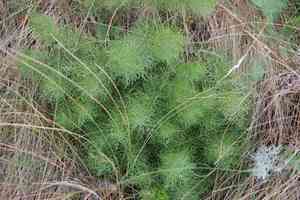
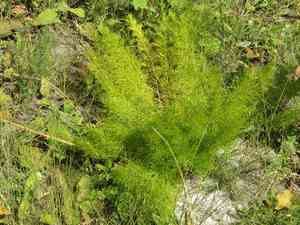
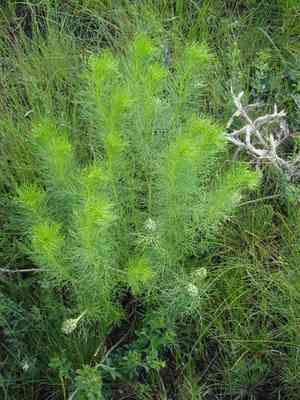
Images of Spring pheasant's eye
Signs of Cold Temperatures in Spring pheasant's eye
Symptoms
Spring pheasant's eye tolerates cold well, but winter temperatures must stay above 50℉. If temperatures fall below this, no immediate changes may be seen, but sprouting in spring could be reduced or absent.
Solutions
In spring, cut off any sections that haven't sprouted.
Signs of Warm Temperatures in Spring pheasant's eye
Symptoms
Spring pheasant's eye does not handle heat well. When temperatures go above 70℉, its development ceases, and it becomes more prone to decay.
Solutions
Remove any sun-damaged and withered sections. Relocate the plant to a spot offering protection from the midday and afternoon sun, or use a shade fabric. Water the plant in the morning and evening to maintain soil moisture.



