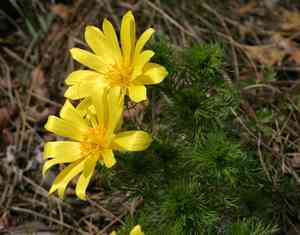
Spring pheasant's eye (Adonis vernalis)
Also known as: Oxeye daisy, Spring adonis
The plant you're describing is the Spring Pheasant's Eye (Adonis vernalis). This native Eurasian species thrives in dry meadows and forest clearings. Belonging to the buttercup family, it features striking lemon-yellow blossoms. While it's popular as an ornamental plant, it is also highly toxic.
Attributes of Spring pheasant's eye
Images of Spring pheasant's eye
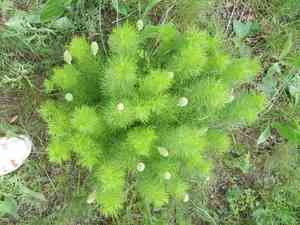
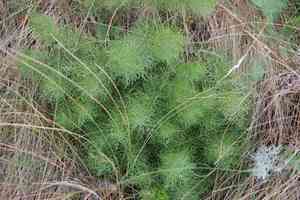
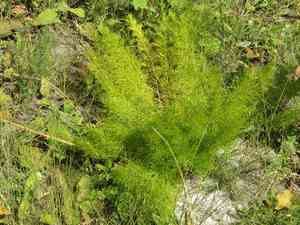
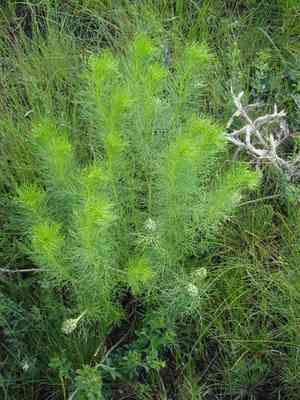
Quickly Identify Spring pheasant's eye
Scientific Classification of Spring pheasant's eye
Planting and Growing of Spring pheasant's eye
 How to Water Spring pheasant's eye?
 What Are the Sunlight Requirements for Spring pheasant's eye?
 What Is the Ideal Temperature Range for Spring pheasant's eye?
 What Soil is Best for Spring pheasant's eye?
 How to Fertilize Spring pheasant's eye?
 How to Prune Spring pheasant's eye?
 How to Propagate Spring pheasant's eye plant?
 How to Repot Spring pheasant's eye plant?
Toxicity of Spring pheasant's eye
Is Spring pheasant's eye toxic to humans?
The spring pheasant's eye is known to exhibit a mild toxicity level in humans, potentially leading to poisoning if ingested. All components of the spring pheasant's eye are toxic, and incidental consumption can result in various symptoms. Those who consume any part of the spring pheasant's eye may encounter gastrointestinal issues, such as nausea, vomiting, and abdominal discomfort. Furthermore, cardiovascular reactions, including irregular heartbeats and decreased blood pressure, may arise. It is vital for individuals to identify the whole plant as inedible to avert the risk of unintentional poisoning. The specific symptoms act as a cautionary reminder of the critical importance of refraining from consuming any part of the spring pheasant's eye.
Is Spring pheasant's eye toxic to cat?
Spring pheasant's eye presents a low-level toxicity hazard to cats if any part of the plant is consumed. Every component of the spring pheasant's eye is toxic to cats. Following ingestion, affected felines may show signs of discomfort or illness, potentially requiring urgent veterinary care. Pet owners need to be cautious in deterring their cats from consuming spring pheasant's eye and should promptly seek veterinary treatment if poisoning is suspected.
Is Spring pheasant's eye toxic to dog?
The spring pheasant's eye presents a mild toxicity risk to dogs. Canines might inadvertently ingest various parts of this plant, resulting in potential poisoning incidents. All parts of the plant are toxic, and consumption can lead to a range of symptoms that require immediate medical attention. If a dog consumes spring pheasant's eye, they may show signs such as gastrointestinal distress, lethargy, or more serious health issues based on the quantity ingested. It is vital for dog owners to remain vigilant and prevent their pets from coming into contact with spring pheasant's eye. Should poisoning be suspected, it is essential to seek veterinary treatment promptly.



