How to Prune Spring pheasant's eye?
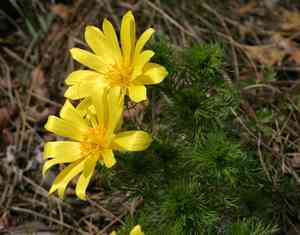
Celebrated for its vivid, golden blossoms, Adonis vernalis flourishes with infrequent trimming. Remove faded flowers to stimulate fresh development and preserve its appearance. In early spring, snip off any lifeless or injured stalks to ensure plant well-being and foster abundant flowering. A light trim during summer months can aid in shaping the plant and controlling its dimensions. While consistent pruning isn't essential, it can encourage denser, more contained growth and improve the subsequent season's floral display.
What Are the Benefits of Pruning Spring Pheasant's Eye?
What Are the Benefits of Pruning Spring Pheasant's Eye?
Trimming spring pheasant's eye helps it maintain a compact shape, boosting its vitality. Strategic cuts encourage fresh, robust growth, keeping spring pheasant's eye flourishing and aesthetically pleasing for the garden.
What Is the Best Time for Pruning Spring Pheasant's Eye?
What Is the Best Time for Pruning Spring Pheasant's Eye?
Pruning in late spring allows spring pheasant's eye to direct energy towards its growth cycle, following its dormant period and spring bloom. This timing ensures that trimming doesn't hinder flower development, as spring pheasant's eye flowers in early spring. Early summer pruning is beneficial for shaping the plant and removing any spent blooms or unhealthy tissue, which improves air circulation and reduces disease risk. Pruning during these seasons aligns with natural growth patterns, promoting healthy regeneration without jeopardizing the following year's blossoms.
What Tools Do I Need to Prune Spring Pheasant's Eye?
Bypass Pruners
Perfect for making clean cuts on the slender, delicate stems of spring pheasant's eye without causing undue harm to the plant's tissues.
Gardening Gloves
Safeguard the gardener's hands from potential irritants or sharp edges while trimming spring pheasant's eye.
Garden Scissors or Snips
Useful for precise cutting when deadheading or shaping smaller or intricate parts of spring pheasant's eye, ensuring neatness in cuts.
Disinfectant for Tools
To prevent disease spread, all pruning tools should be disinfected before and after use on spring pheasant's eye.
How to Prune Spring Pheasant's Eye
Sanitize
Before beginning, ensure all pruning tools are disinfected to prevent disease transmission to spring pheasant's eye. Clean shear or scissor blades with a bleach and water solution or use alcohol wipes.
Identify
Carefully inspect spring pheasant's eye to pinpoint diseased leaves, withered leaves, and diseased stems. Look for signs of discoloration, spots, or decay that distinguish unhealthy plant parts from healthy ones.
Cut diseased leaves
Using the sanitized pruning tools, snip off diseased leaves from spring pheasant's eye at their base where they connect to the stem. Make a clean cut to avoid tearing the tissue, which could cause additional stress to the plant.
Remove withered leaves
Locate withered leaves on spring pheasant's eye that are dry and brown. Gently remove these by cutting them at the base of the leaf stem, being careful not to damage new growth or nearby healthy leaves.
Trim diseased stems
Identify stems on spring pheasant's eye that show signs of disease. Trim these diseased stems back to healthy tissue, cutting just above a leaf node or bud to encourage healthy new growth. Ensure the cut is angled away from the bud to allow water runoff and prevent rot.
Common Pruning Mistakes with Spring Pheasant's Eye
Over pruning
Cutting back spring pheasant's eye too aggressively can severely harm the plant or reduce its vigor. This species is delicate and does not respond well to heavy pruning.
Wrong technique
Using dull or dirty pruning tools can result in jagged cuts or introduce disease to spring pheasant's eye. Clean, sharp tools are essential for a clean cut that heals properly.
Excessive deadheading
While deadheading can encourage a second flush of blooms, overdoing it or cutting too deeply into the vegetative growth can stress spring pheasant's eye and lead to reduced vigor.
Neglecting health check
Failing to assess the health of spring pheasant's eye before pruning can worsen issues like disease or pest infestations if diseased or infested parts are not properly identified and removed.
Ignoring natural shape
Pruning spring pheasant's eye without considering its natural growth pattern can lead to an unnatural appearance and potential stress on the plant.
Common Pruning Tips for Spring Pheasant's Eye
Correct timing
Prune spring pheasant's eye immediately after flowering to maintain the plant's natural shape and to avoid removing the next year's buds, which could limit blooming.
Sterilize tools
Sterilize pruning tools before use to prevent the spread of disease to spring pheasant's eye. A simple solution of bleach or alcohol can be used to disinfect the tools.
Gentle handling
Handle spring pheasant's eye with care during pruning, as it is a fragile species. Gentle handling will prevent unnecessary damage to the plant structure.
Conservative cut
When deadheading or removing dead growth, make conservative cuts, ensuring not to remove too much of the plant as spring pheasant's eye does not tolerate severe pruning well.
Identify node
Cut just above a node on spring pheasant's eye to encourage new growth but avoid cutting too close to the node to prevent damage to the emerging shoots.



