How to Propagate Spring pheasant's eye?
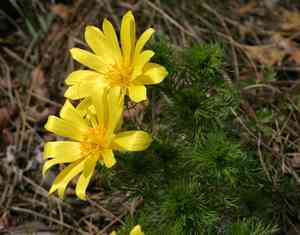
The most effective method for propagating spring pheasant's eye is by planting seeds. Cultivators must verify the freshness of the seeds to achieve the best germination rates, given that spring pheasant's eye seeds quickly diminish in their ability to sprout. Utilize a sandy, free-draining growing medium to replicate the naturally coarse soil preferred by spring pheasant's eye. Lightly cover the seeds, initially keeping them in a cool setting, then progressively raising the temperature to stimulate emergence. Maintaining steady, light dampness is vital, but prevent overly saturated conditions which can impede the development of young plants.
Optimal Time for Spring Pheasant's Eye Propagation
Propagation Method
Seeding
Propagation Period
Spring
Tools for Spring Pheasant's Eye Propagation
Seeds of spring pheasant's eye
Seeds are the primary propagation material for spring pheasant's eye, typically spread by sowing. Fresh seeds are vital for high germination rates, as older spring pheasant's eye seeds may not sprout successfully.
Seed tray
A seed tray offers a controlled setting for spring pheasant's eye seed germination. Its shallow design is perfect for maintaining ideal light and temperature, crucial for spring pheasant's eye due to its sensitivity to planting depth and environmental factors.
Soil or potting mix
A well-draining, nutrient-rich soil or potting mix is essential for spring pheasant's eye. It ensures adequate water retention and air circulation, vital for root growth and health. For spring pheasant's eye, a soil mix with good organic matter and proper pH promotes optimal seed germination and seedling development.
Plant labels
Plant labels are crucial for managing spring pheasant's eye propagation, especially when cultivating multiple varieties or different species. They aid in tracking germination and development stages, contributing to organized cultivation.
Misting bottle
A misting bottle allows for gentle watering without disturbing spring pheasant's eye soil or seeds. This is critical in early germination stages, preventing seed washout and ensuring uniform moisture distribution across the seed tray.
Grow lights (if indoor propagation is opted)
Grow lights are beneficial for indoor spring pheasant's eye propagation. They provide a consistent light source, essential for spring pheasant's eye growth, especially in areas lacking sufficient sunlight during the propagation period. Adjustable lights mimicking natural sunlight are particularly advantageous.
Fine mesh or netting
This tool protects emerging spring pheasant's eye seedlings from pests and harsh weather. Fine mesh shields delicate young plants while allowing light, moisture, and air to pass through, critical for spring pheasant's eye's health and development.
How to Propagate Spring Pheasant's Eye?
Propagation Type
Simple
Caring for Your Newly Propagated Spring Pheasant's Eye
Caring for Your Newly Propagated Spring Pheasant's Eye
After propagation, spring pheasant's eye needs continuous care to flourish. Place young plants in full sunlight with well-draining soil. Water regularly to keep the soil moist, but avoid overwatering. Spring pheasant's eye benefits from a balanced, slow-release fertilizer applied at the start of its growing season annually. As a perennial, protect it from extreme winter cold by mulching around the plant bases.
Common Errors to Avoid When Propagating Spring Pheasant's Eye
Overwatering
Excessive watering can cause root rot in spring pheasant's eye, making proper drainage crucial. This species is particularly sensitive to too much moisture around its roots, which can hinder growth and even lead to plant death.
Deep planting
Planting spring pheasant's eye too deeply can impede root development and shoot emergence. This error can bury seeds or roots under too much soil, restricting necessary air exchange and potentially causing fungal infections.
Neglecting soil composition
Spring pheasant's eye thrives in well-drained, sandy soil. Using heavy or clay-rich soil can retain too much moisture, negatively impacting root health and overall plant vigor.
Tips For Propagating Spring Pheasant's Eye
Use fresh seeds
For successful seed propagation, it's vital to use fresh spring pheasant's eye seeds as they quickly lose viability. Fresh seeds ensure higher germination rates, essential for cultivating this species.
Cold stratification
Spring pheasant's eye seeds typically require cold stratification to break dormancy. This process involves chilling seeds before sowing, mimicking natural winter conditions to stimulate germination.
Provide light during germination
Spring pheasant's eye seeds need sufficient light exposure for optimal germination. Surface-sowing seeds or lightly covering them with soil can help ensure they receive the necessary sunlight.



