How Much Sunlight Do Sticky catchfly Need?
1
Sticky catchfly flourishes optimally in bright sunlight, needing over six hours of direct sun each day.
2
While it favors full sun, Sticky catchfly is capable of enduring conditions with some shade.
3
Placing your Sticky catchfly in the sunniest area of your garden can enhance its flowering capacity.
Optimal Light Conditions for Sticky Catchfly
Full Sun Requirement
The Sticky Catchfly is a heliophilic plant that thrives in locations where it can absorb sunlight for over six hours daily. Complete sun exposure guarantees the plant receives sufficient light for its growth processes. In a home garden, position the Sticky Catchfly where it will get unobstructed sunlight. This placement is vital for maximizing its photosynthetic activity, leading to healthier, more vigorous development.
Partial Shade Tolerance
Despite its preference for full sunlight, the Sticky Catchfly can also endure partial shade. If your garden doesn't receive all-day sunlight, don't fret! The plant can adapt to conditions where it gets a mix of sun and shade throughout the day. Aim for an environment where the plant receives at least 4-6 hours of sunlight, ideally during the morning when the sun's intensity is lower.
Impact of Light on Sticky Catchfly Development
Photosynthesis and Energy Production
Sunlight plays a crucial role in the Sticky Catchfly's capacity to perform photosynthesis. This process converts light energy into chemical energy, fueling the plant's growth and maturation. Adequate sunlight ensures the plant efficiently generates energy, promoting the development of strong stems and vibrant leaves. Without sufficient light, the plant's energy production decreases, leading to stunted growth and pale foliage.
Blooming and Flower Production
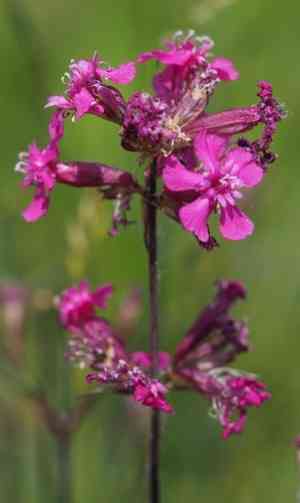
The Sticky Catchfly is known for its beautiful, delicate blossoms. To achieve optimal flowering, the plant requires ample sunlight. Full sun exposure encourages bloom production by generating the energy needed for flower development. In partial shade, you might observe fewer or smaller flowers, as the plant allocates resources to essential survival functions rather than reproduction. For the best floral display, ensure your Sticky Catchfly basks in sunlight for most of the day.
Ensuring Optimal Light Exposure for Sticky Catchfly
Garden Placement
Strategic positioning is key to successful Sticky Catchfly cultivation. Select a spot in your garden that receives abundant sunlight, ideally where the midday and afternoon sun can reach. South-facing areas often provide the longest exposure. Be mindful of potential obstructions like trees, walls, or other tall plants that might cast shadows over your Sticky Catchfly. Elevating the plant or placing it in a raised garden bed can also help maximize sun exposure.
Seasonal Light Variations
As seasons change, so do the angle and intensity of sunlight. During summer, the sun is higher, offering more intense and prolonged light, which benefits the Sticky Catchfly. However, in winter, the sun sits lower in the sky, and daylight hours shorten, reducing available sunlight. To counteract this, consider using reflective surfaces like white walls or garden mirrors to direct light onto your plants or move potted Sticky Catchfly to the sunniest available spot during colder months.
Common Light-Related Issues and Solutions for Sticky Catchfly
Sunburn and Leaf Damage
While the Sticky Catchfly thrives in full sun, excessive direct, intense sunlight can sometimes cause leaf burn, characterized by brown or scorched edges. This is more common during extreme heat or if the plant isn't accustomed to full sunlight. To prevent sunburn, gradually introduce your Sticky Catchfly to more sunlight, starting with shaded areas and slowly increasing exposure. Providing afternoon shade during peak summer can also help mitigate potential damage.
Insufficient Sunlight Symptoms
When the Sticky Catchfly doesn't receive enough light, it shows signs of stress. Common symptoms include leggy growth, where stems grow longer with wider gaps between leaves, and pale or yellowing foliage due to a lack of chlorophyll. Flower production may also be hampered, resulting in fewer blooms. To address this, try relocating the plant to a sunnier spot or use grow lights to supplement natural sunlight, especially during shorter winter days.



