How to Prune Sticky catchfly?
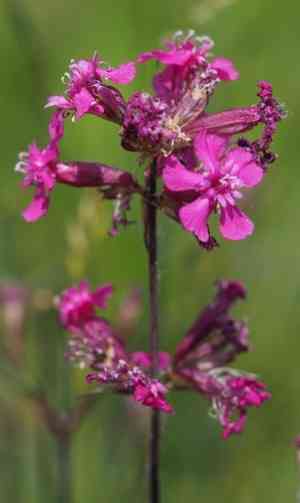
The sticky catchfly, a fragile perennial recognized for its vibrant blossoms, thrives with the removal of spent flowers and structural trimming. In spring and summer, snip off wilting blooms to stimulate further flowering. Excising withered stalks boosts the plant's vitality and visual appeal. After the blooming period, perform a gentle trim for peak health. Refrain from extensive pruning, as it may diminish flowering; instead, focus on eliminating dead or ailing parts. This upkeep fosters a neat growth pattern and optimizes the presentation of its adhesive, colorful flowers.
What Are the Benefits of Pruning Sticky Catchfly?
What Are the Benefits of Pruning Sticky Catchfly?
Trimming sticky catchfly promotes strong development and helps maintain its desired form. It ensures energy is directed towards producing sturdy stems and vibrant flowers, while also eliminating any leggy or weak sections for a more appealing appearance.
What Is the Best Time for Pruning Sticky Catchfly?
What Is the Best Time for Pruning Sticky Catchfly?
Pruning or trimming sticky catchfly in late spring allows the plant to focus energy on developing healthy new growth, as the frost risk has passed, reducing the chance of damage to fresh cuts. Early summer pruning ensures the plant's energy is maximized for blooming, as sticky catchfly has finished its initial growth spurt. This timing avoids disrupting the flowering process and can stimulate increased blossoms. This period also aligns with the plant's active growth phase, enabling sticky catchfly to recover quickly from pruning stress. Avoiding fall or winter pruning minimizes potential harm from colder temperatures and allows sticky catchfly to conserve its resources for dormancy.
What Tools Do I Need to Prune Sticky Catchfly?
Bypass Pruners
Perfect for making clean, precise cuts on sticky catchfly's stems without crushing them, ensuring healthier regrowth.
Gardening Gloves
Protect hands from sticky catchfly's sticky sap and offer a better grip on the pruners during the task.
Garden Snips
Useful for deadheading spent flowers of sticky catchfly to encourage blooming and prevent self-seeding if desired.
Pruning Shears
Essential for shaping and controlling the growth of sticky catchfly, especially in dense plantings where more intricate cuts are required.
How to Prune Sticky Catchfly
Clean tools
Before pruning sticky catchfly, ensure all cutting implements are clean and sterilized to prevent disease transmission.
Remove diseased leaves
Carefully remove any diseased leaves from sticky catchfly using clean pruning shears. Cut the leaf stem where it connects to the main plant, being careful not to harm healthy parts.
Remove withered leaves
Identify and prune any withered leaves on sticky catchfly. This encourages growth and improves air circulation. Withered leaves can be gently pulled off or snipped at the base.
Remove diseased stems
Examine sticky catchfly for any stems showing signs of disease. Make a clean cut to remove the entire diseased stem, cutting back to the base or to a healthy section, depending on the disease's extent.
Finalize cleanup
After pruning, dispose of all diseased and withered material away from sticky catchfly and clean the area to minimize the chance of disease spread.
Common Pruning Mistakes with Sticky Catchfly
Overpruning
Removing too much foliage or cutting off too many stems, which can weaken sticky catchfly and make it more vulnerable to disease or pests.
Improper cutting angle
Making cuts at an incorrect angle can damage sticky catchfly and prevent proper healing, leading to disease.
Pruning active growth
Cutting during periods of active growth without a valid reason, risking the health and bloom potential of sticky catchfly.
Ignoring dead wood
Neglecting to remove dead or diseased wood which could hinder new growth and affect the overall health of sticky catchfly.
Not sharpening tools
Using dull tools can result in jagged cuts that can harm sticky catchfly and make it more susceptible to diseases.
Inadequate tool cleaning
Not cleaning tools before use can spread diseases from plant to plant, affecting the overall health of sticky catchfly.
Cutting too close
Cutting too close to the main stem or bud can damage sticky catchfly, risking its ability to regrow effectively.
Common Pruning Tips for Sticky Catchfly
Selective pruning
Selectively remove only the necessary portions of sticky catchfly to shape the plant, promote air circulation, and remove diseased or damaged stems.
Angle cuts away from buds
Make cuts at a 45-degree angle a quarter inch above buds facing the outside of the plant to encourage proper healing and growth direction.
Clean tools
Clean and sterilize all pruning tools before and after use to prevent the spread of disease to or from sticky catchfly.
Thin out center
Thin out the center of sticky catchfly to promote good air circulation which is essential for reducing the risk of fungal diseases.
Timing after flowering
Prune sticky catchfly after flowering to maintain its shape and encourage a robust bloom for the following season, while not affecting this season's display.
Use sharp tools
Always use sharp pruning shears or scissors to make clean cuts that will heal quickly and minimize stress on sticky catchfly.
Healthy growth removal
Regularly remove dead, damaged, or diseased growth to encourage the health and vigor of sticky catchfly.



