How to Propagate Sticky catchfly?
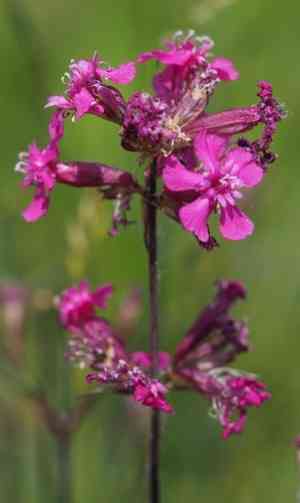
Sticky catchfly flourishes when reproduced by seeding. For peak outcomes, utilize a growing medium that drains effectively and sustain steady hydration without waterlogging. Place the seed in a location that gets abundant solar exposure. Young plants typically sprout more successfully when sown on the surface, as sticky catchfly's seeds need illumination for proper germination. Careful handling of the delicate sprouts is essential to guarantee vigorous development.
What Is the Best Time To Propagate Sticky Catchfly?
Propagation Type
Seeding
Propagation Season
Spring
What Tools Are Used in Sticky Catchfly Propagation?
Seed Trays
Seed trays are vital for initiating sticky catchfly seeds under controlled conditions. Their compartments facilitate individual seed sowing, minimizing damage and root disturbance during transplanting. This is especially beneficial for sticky catchfly to ensure proper spacing for growth and nutrient access.
Fine Vermiculite or Perlite
Fine vermiculite or perlite serves as a medium in seed trays for sticky catchfly propagation. These materials help retain moisture while providing good drainage, essential for sticky catchfly seed germination. They aid in preventing damping off, a common fungal disease, by ensuring a well-aerated environment.
Misting Bottle
A misting bottle is necessary to gently water sticky catchfly seeds without disturbing them. The fine mist provides the ideal moisture level for seed germination, promoting uniform growth without washing away seeds or compacting the soil.
Grow Lights (if indoor)
Grow lights are beneficial when propagating sticky catchfly indoors or in low-light conditions. They offer a consistent light source, crucial for seedlings to photosynthesize effectively. This is particularly important for supporting the early growth stages of sticky catchfly, ensuring strong and healthy development.
Fungicide
A fungicide is recommended to prevent and treat potential fungal diseases that could affect sticky catchfly during the delicate stages of seed germination and seedling growth. Ensuring healthy growth from the start is key to the successful establishment of plantlets.
How to Propagate Sticky Catchfly?
Propagation Type
Simple
How to Care for Your Newly Propagated Sticky Catchfly?
How to Care for Your Newly Propagated Sticky Catchfly?
After propagation, ensure sticky catchfly continues to receive ample sunlight and water. Regularly check soil moisture, allowing it to dry slightly between waterings to prevent root rot. Additionally, a balanced liquid fertilizer can be applied monthly during the growing season to support healthy growth and blooming. Remove spent flowers to encourage continuous blooming throughout the season.
Common Mistakes to Avoid When Propagating Sticky Catchfly
Overwatering
Watering sticky catchfly too often can lead to root rot, as the plant prefers well-drained soil. Excessive moisture deprives roots of necessary oxygen, compromising plant health.
Deep planting
Planting sticky catchfly's seeds too deeply can impede germination. Sticky catchfly requires light for optimal germination, so seeds should be sown on the soil surface or lightly covered.
Neglecting light requirements
Failing to provide sticky catchfly with sufficient light during the seedling stage can result in weak, leggy plants. Insufficient light affects the plant's ability to photosynthesize effectively, impacting growth and vigor.
Tips For Propagating Sticky Catchfly
Surface sowing
For successful germination, sow sticky catchfly's seeds shallowly, perhaps just pressing them into the soil surface. This exposure ensures the seeds receive enough light, which is crucial for germination.
Moderate watering
Maintain balanced soil moisture by watering sticky catchfly moderately. Ensure the soil is moist but not waterlogged to support healthy root development without causing rot.
Providing bright light
Ensure sticky catchfly receives ample light, especially during its early growth stages. A sunny spot or a brightly-lit area fosters stronger, healthier growth and aids in robust development.



