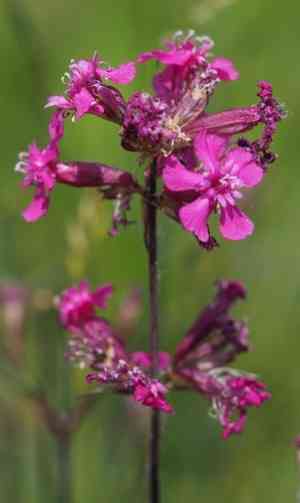
Sticky catchfly (Viscaria vulgaris)
Also known as: German catchfly
The Sticky catchfly (Viscaria vulgaris) is a plant native to Europe and Asia, and it has also spread to northeastern North America. One of its key survival traits is its sticky stem, which secretes a substance that deters predators and prevents nectar thieves from climbing. Additionally, the plant can endure drought conditions due to its deep taproot system.
In This Article
Attributes of Sticky catchfly
Lifespan
Perennial
Plant Type
Herb
Plant Height
60 cm
Spread
25 cm to 30 cm
Leaf Color
Green
Flower Size
2 cm
Flower Color
Pink Purple Red
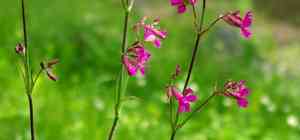
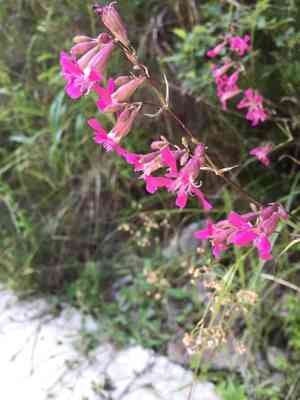
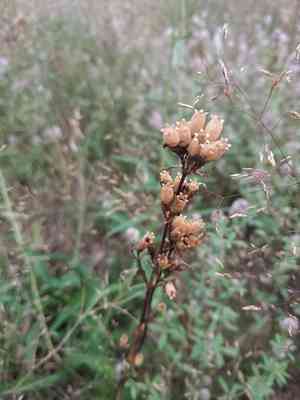
Images of Sticky catchfly
Quickly Identify Sticky catchfly
1
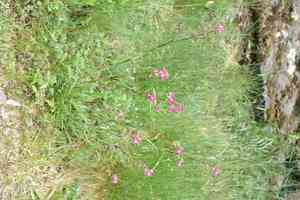
Viscaria vulgaris can be recognized by its sticky, glandular stems, narrow lance-shaped leaves, and bright pink to reddish flowers that form in loose clusters at the top of the stems.
Scientific Classification of Sticky catchfly
Phylum
Vascular plants
Class
Dicotyledons
Order
Caryophyllales
Family
Pink
Genus
Viscaria
Species
Sticky catchfly
Planting and Growing of Sticky catchfly
Care Difficulty
Easy
Watering Schedule
Every 4 days
Sunlight Requirements
Full sun
Sunshine Duration
4-6 hours
Ideal Temperature
50-77℉
Soil Type
Potting Mix, Peat Mix
Soil pH
6-7.5
Fertilizer Type
Balanced
Pruning Season
Spring, Summer
Pruning Area
Branches, Leaves
Pruning Frequency
2 times a year
Repotting Season
Spring
Pot Type
Plastic, Terracotta
 How to Water Sticky catchfly?
For Viscaria vulgaris, water until the top two inches of soil feel slightly moist but not drenched. It's important to follow this principle to ensure optimal growth, as overwatering can lead to root rot while underwatering can stunt the plant’s development.
What are the symptoms of an underwatered Sticky catchfly?
›
What should I do if my Sticky catchfly is not getting enough water?
›
What are the symptoms of an overwatered Sticky catchfly?
›
How to save an overwatered Sticky catchfly?
›
 What Are the Sunlight Requirements for Sticky catchfly?
Viscaria vulgaris flourishes under a light range of full to partial sun exposure. Ensuring it receives at least 5 to 8 hours of light enhances its growth, promotes vibrant blooms, and fortifies its overall resilience.
More About Sunlight Requirements Techniques→
What is the best type of light for Viscaria vulgaris?
›
How can I ensure my Viscaria vulgaris gets the ideal lighting?
›
What benefits does ideal lighting offer Viscaria vulgaris?
›
 What Is the Ideal Temperature Range for Sticky catchfly?
The ideal temperature range for Viscaria vulgaris is between 50°F and 77°F. This range allows the plant to thrive and grow optimally. Maintaining temperatures within this range ensures that the plant can utilize nutrients effectively and sustain healthy metabolic processes.
 What Soil is Best for Sticky catchfly?
Viscaria vulgaris thrives in well-drained soil that prevents waterlogging, which can lead to root rot. Ensuring good drainage enhances root aeration, promoting strong and healthy growth. This plant benefits from nutrient-rich soil that supplies essential minerals and organic matter. It boosts the plant's vitality, resulting in lush foliage and vibrant blooms. The soil should retain moderate moisture without becoming swampy. Balanced moisture levels ensure the plant remains hydrated without risking fungal diseases.
 How to Fertilize Sticky catchfly?
For Viscaria vulgaris, use a balanced general-purpose fertilizer. Liquid fertilizers should be diluted to half the recommended strength to avoid over-fertilizing, while slow-release pellets should follow package guidelines. Ensure even distribution around the plant base.
 How to Prune Sticky catchfly?
Begin by removing any dead, damaged, or diseased stems. Doing this allows the plant to focus its energy on healthy growth. Next, thin out crowded areas to promote air circulation, reducing the risk of fungal infections. Look for shoots that cross over others and remove them to improve overall structure. After thinning, the next step is to shape the plant. Trim the stems back by about one-third to maintain a compact and aesthetically pleasing form. Make these cuts just above a set of healthy leaves or buds to encourage new growth. Regular shaping keeps Viscaria vulgaris looking its best and prevents it from becoming leggy. After completing the pruning, make sure to disinfect your tools with a solution of bleach and water or rubbing alcohol. This practice helps in minimizing the spread of pathogens to other plants in your garden.
More About Pruning Techniques→
 How to Propagate Sticky catchfly plant?
1
Begin by collecting seeds from a mature Viscaria vulgaris plant. Clean and dry the seeds before sowing. Soak them in water for 24 hours to enhance germination rates. After soaking, allow the seeds to dry briefly before sowing in a prepared seed tray filled with a suitable growing medium.
2
Once the seeds are prepared, sow them in a seed tray filled with a sterile seed-starting mix. Sow the seeds at a depth of about 1/8 inch and gently mist with water to settle the soil. Cover the tray with a clear lid or plastic wrap to maintain humidity and place it in a warm location with indirect sunlight.
3
Select a healthy, disease-free stem from the Viscaria vulgaris plant for cuttings. Using sharp pruners, cut a 4-6 inch section of the stem just below a leaf node. Remove any leaves from the lower half of the cutting. Dip the cut end in rooting hormone to promote faster root development before planting it in a moist, well-draining potting mix.
 How to Repot Sticky catchfly plant?
1
Viscaria vulgaris indicates it's time for repotting when you notice roots emerging from the drainage holes, or if growth seems stunted despite adequate care. The best time to repot is during its growth periods in spring or autumn, allowing the plant to adapt smoothly to its new environment.
2
Choose a pot that is one size larger than the current one, with good drainage capabilities. This provides enough room for root expansion while preventing waterlogging, reducing the risk of root rot and promoting healthier growth.
3
Opt for a well-draining potting mix rich in organic material to ensure adequate moisture retention without over-saturation. This kind of soil balance encourages robust root systems and contributes to the plant's overall vitality.



