How Much Sunlight Do Selkirk's violet Need?
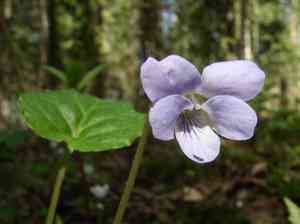
1
Selkirk's violet flourishes optimally in areas with partial shade to full sunlight.
2
Excessive direct solar exposure may cause burning of Selkirk's violet foliage.
3
Modifying light conditions according to the season is vital for the plant's well-being.
Understanding the Light Requirements for Selkirk's violet
What is Ideal Sunlight for Selkirk's violet?
Selkirk's violet thrives in both partial and full sun conditions. While it can endure over 6 hours of sunlight, it performs best with a mix of direct and diffused light. For indoor cultivation, positioning it near a bright window receiving indirect sunlight is often the optimal arrangement.
How Much Direct Sunlight is Suitable?
Direct sunlight can be somewhat challenging for Selkirk's violet. Although it enjoys bright light, excessive direct exposure, particularly during the day's hottest period, can be detrimental. Ideally, aim for morning or late afternoon light when the intensity is lower. This ensures the plant gets necessary light without the risk of leaf burn.
Effects of Too Much Sunlight on Selkirk's violet
Excessive direct sunlight can cause leaf scorching, leading to brown, dried patches indicating damage. Overexposure to the sun can also stress the plant, making it more vulnerable to pests and diseases. Therefore, it's crucial to monitor direct sunlight levels and adjust as needed, especially during summer when sun intensity is high.
Signs of Inadequate Sunlight
If Selkirk's violet isn't receiving enough sunlight, you'll observe slower development and smaller, paler foliage. The plant might also become elongated as it stretches towards light sources. Insufficient light can impede its flowering potential, resulting in fewer and smaller blooms.
Best Locations for Growing Selkirk's violet
Indoor Placement Tips
Indoors, the prime spot for Selkirk's violet is near a window with filtered sunlight. East-facing windows are ideal, providing gentle yet effective morning light. If a suitable window isn't available, consider using sheer curtains to diffuse the light. Rotating the plant periodically ensures uniform light exposure on all sides.
Outdoor Placement Tips
When planting Selkirk's violet outdoors, choose a location offering partial shade. Beneath the canopy of taller plants or trees can work wonderfully, providing the violet with dappled sunlight throughout the day. This setup helps shield the violet from harsh midday sun, reducing the risk of leaf scorch.
Seasonal Adjustments for Sunlight
As seasons change, the amount and intensity of sunlight will vary. During bright summer months, ensure Selkirk's violet is protected from peak afternoon sun. In winter, when light intensity decreases, consider moving indoor plants closer to windows or supplementing with grow lights to maintain adequate light levels.
Adjusting Sunlight for Optimal Growth
Using Artificial Lighting
If natural light is insufficient, especially during winter, artificial lighting is an excellent solution. Utilize full-spectrum grow lights to supplement your Selkirk's violet's light requirements. Position the grow light approximately 30-45 cm (12-18 inches) above the plant and keep it on for about 12-14 hours daily to mimic natural daylight.
Creating a Shaded Environment
If Selkirk's violet is exposed to excessive direct sun, creating a shaded environment can help. Use shade cloths or netting outdoors to provide filtered light. Indoors, sheer curtains or blinds can deflect intense sunlight, creating a diffused light environment suitable for the plant.
Monitoring Light Exposure
Regularly check the light conditions surrounding your Selkirk's violet. Use a light meter to measure intensity if you're uncertain. Adjust the plant's placement as needed to ensure it receives the correct balance of light throughout the day. Observing the plant's response to light adjustments is crucial for maintaining its health.
Common Mistakes in Sunlight Management
Overexposure to Direct Sunlight
A common error is exposing Selkirk's violet to too much direct sunlight, leading to leaf scorch and stress. Always ensure the plant receives filtered sunlight during the hottest parts of the day to prevent damage.
Underexposure and Growth Issues
Conversely, insufficient sunlight can result in weak, leggy growth and poor flowering. Ensuring the plant gets enough indirect light is vital for its overall health and vigor.
Ignoring Seasonal Light Changes
Another mistake is failing to adjust the plant's position according to seasonal light variations. As the intensity and duration of sunlight fluctuate throughout the year, so should your approach to positioning Selkirk's violet. Adapt to these changes to maintain optimal light conditions.



