How to Prune Selkirk's violet?
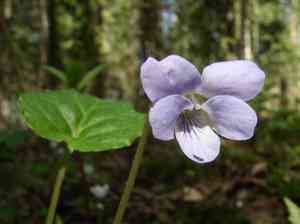
This enduring herbaceous plant flourishes in shaded, damp forest environments. For selkirk's violet, the removal of withered leaves and faded blossoms boosts development and aesthetic appeal. Optimal trimming seasons span from spring through autumn, immediately after flowering periods, to stimulate revitalization. Eliminating deceased or injured foliage as required fosters the plant's well-being. A particular advantage for selkirk's violet is the preservation of a dense structure and the prevention of self-propagation, guaranteeing robustness and a neat presence in the landscape. Trim carefully to uphold its inherent contour.
What Are the Benefits of Pruning Selkirk's Violet?
What Are the Benefits of Pruning Selkirk's Violet?
Trimming selkirk's violet promotes vigorous development and preserves its desired shape. Consistent cutting can encourage stronger, more resilient growth, while shaping the plant for visual appeal and efficient garden space management.
What Is the Best Time for Pruning Selkirk's Violet?
What Is the Best Time for Pruning Selkirk's Violet?
Pruning or trimming selkirk's violet from late spring to early summer allows for the removal of any dead or damaged foliage from winter, minimizing plant stress as it enters a growth phase. This timing aligns with selkirk's violet's natural growth cycle, occurring after winter dormancy but before energy is invested in bud setting for the next year. Trimming during this period fosters healthier foliage and a more robust plant. It is crucial to avoid pruning selkirk's violet in the fall, as this can stimulate new growth that may not have sufficient time to harden before cold winter temperatures, potentially leading to damage.
What Tools Do I Need to Prune Selkirk's Violet?
Hand Pruners
Given the small and delicate nature of selkirk's violet, sharp hand pruners are ideal for making precise cuts on stems. This tool helps minimize damage to plant tissues, which is vital for its health and growth.
Pruning Scissors
Pruning scissors are perfect for trimming and shaping selkirk's violet due to their fine blades. They allow gardeners to access dense foliage without harming adjacent flowers and leaves.
Gloves
Gardening gloves are essential to protect the gardener's hands from potential skin irritants on selkirk's violet's leaves and stems, and to provide a better grip on tools during the pruning process.
How to Prune Selkirk's Violet
Disinfect Tools
Before pruning selkirk's violet, sterilize all cutting tools using a solution of 1 part bleach to 9 parts water or rubbing alcohol to prevent the spread of diseases.
Remove Diseased Leaves
Carefully inspect selkirk's violet for any diseased leaves. Gently remove these leaves by snipping them off at the base of the stem using sterilized pruning shears to prevent infection spread.
Trim Withered Leaves
Identify and trim off any withered leaves from selkirk's violet to promote healthy growth and improve air circulation. Make cuts close to the base of the stem without harming the main structure of the plant.
Cut Dead Branches
For dead branches, use sharp, clean pruning shears to make a smooth cut on selkirk's violetâs branches at a 45-degree angle, just above a live bud or side branch, to facilitate quick healing and reduce the risk of disease.
Eliminate Diseased Branches
Isolate and remove diseased branches from selkirk's violet, cutting well into the healthy tissue to ensure complete removal of all affected parts. Dispose of these branches away from garden beds to reduce reinfection risk.
Common Pruning Mistakes with Selkirk's Violet
Overpruning
A common error gardeners make is removing too much of selkirk's violet at once, which can stress the plant and reduce its vitality. Removing more than one-third of the plant can be detrimental to its health.
Cutting Into Old Wood
Gardeners should avoid cutting into the old wood of selkirk's violet, as this species often does not regenerate well from old growth, which can result in fewer flowers or even harm the plant.
Pruning At The Wrong Angle
Incorrect pruning angles can lead to water accumulation on the cut surfaces, possibly causing rot or disease. Cuts should be made just above a leaf node at a 45-degree angle.
Not Using Clean Tools
Using tools that are not properly cleaned can introduce pathogens to selkirk's violet, potentially causing disease. Always use sterilized pruning tools to prevent the spread of infections.
Ignoring Plant Shape
Failure to consider the natural form of selkirk's violet while pruning can result in an unattractive plant shape. Gardeners should aim to maintain the plant's natural mounded form while pruning.
Common Pruning Tips for Selkirk's Violet
Selective Thinning
Remove only the dead or damaged portions of selkirk's violet to promote healthier growth and better air circulation. This technique can help prevent disease and encourage more blooms.
Encourage New Growth
To stimulate new growth and flowering in selkirk's violet, pinch or lightly prune the tips of the stems after flowering. This helps to keep the plant bushy and compact.
Use Sharp Tools
Make clean cuts with sharp pruning tools. Dull tools can crush stems and branches, causing unnecessary damage to selkirk's violet.
Prune For Plant Health
Regularly remove any diseased or pest-infested foliage from selkirk's violet to maintain overall plant health and prevent problems from spreading.
Post-Bloom Care
After selkirk's violet finishes flowering, lightly prune the plant to remove the spent flowers. This will encourage the plant to put more energy into foliage rather than seed production, leading to a healthier plant.



