Enhancing Your Garden Design with the Selkirk's violet Plant: A Landscaping Guide
1
Selkirk's violet flourishes in soil that drains well and receives partial to complete shade.
2
Combine Selkirk's violet with other perennials that prefer shade to create a harmonious garden aesthetic.
3
Consistent trimming and applying mulch ensure Selkirk's violet remains robust and lively throughout the year.
Introducing Selkirk's violet in Garden Design
Understanding Selkirk's violet's Growth Patterns
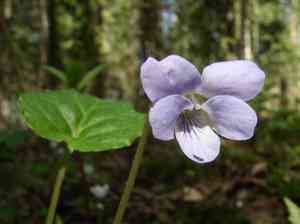
Selkirk's violet is a low-lying perennial that thrives in shaded areas and rich, well-draining soil. It propagates via both seeds and creeping rhizomes, making it an excellent groundcover. A key characteristic of Selkirk's violet is its heart-shaped leaves and delicate purple blossoms that appear in spring, adding vibrant color to your garden. Grasping these growth habits is crucial for effectively incorporating Selkirk's violet into your landscape plans.
Visual Benefits of Incorporating Selkirk's violet in Landscape Schemes
Utilizing Selkirk's violet in your landscape design offers several visual advantages. Its charming purple blooms introduce a splash of color, creating visual interest and appeal in often neglected shaded spots. Furthermore, its lush green foliage provides a beautiful ground cover that enhances the overall texture and depth of your garden. Selkirk's violet can complement various garden themes, from classic to contemporary, ensuring a versatile and enduring look.
Where Selkirk's violet Flourishes: Identifying Ideal Climates and Locations
Selkirk's violet thrives best in moderate climates with mild summers. It prefers partial to full shade, making it an excellent choice for planting beneath trees or along shaded garden paths. While quite resilient, Selkirk's violet does not tolerate extreme heat or overly dry conditions. Ensuring your garden has appropriate light and moisture levels is vital for the successful growth of Selkirk's violet.
Steps to Integrate Selkirk's violet into Your Garden
Designing Your Garden Layout with Selkirk's violet
Before planting Selkirk's violet, dedicate time to planning your garden arrangement. Identify the shadier spots where Selkirk's violet will receive the optimal amount of indirect sunlight. Consider how Selkirk's violet's spreading growth habit can be used to fill empty spaces or create a dense carpet beneath taller plants. Pre-planning your garden will help ensure Selkirk's violet flourishes and your garden appears cohesive and well-designed.
Companion Planting Ideas: What Plants Complement Selkirk's violet?
Creating a visually diverse garden involves pairing Selkirk's violet with compatible plants. Consider combining Selkirk's violet with other shade-loving perennials such as hostas, ferns, and astilbes. These plants not only share similar growing conditions but also offer contrasting foliage and flower textures that enhance the overall aesthetic of your landscape. Experimenting with different combinations can result in delightful and harmonious garden sections.
Care Guidelines for a Thriving Selkirk's violet in Your Garden
Maintaining Selkirk's violet involves consistent watering, especially during dry periods, to keep the soil moist. Mulching around the base helps retain moisture and deter weeds. Regularly trim back overgrown areas to prevent the plant from becoming invasive. Fertilizing Selkirk's violet with a balanced feed in early spring can promote vigorous growth and vibrant blooms. Following these care tips will ensure your Selkirk's violet remains a stunning feature of your garden year after year.
Creative Applications of Selkirk's violet in Unique Garden Features
Incorporating Selkirk's violet in Rock Gardens
Rock gardens provide an excellent opportunity to display the natural beauty of Selkirk's violet. Plant Selkirk's violet in the crevices between rocks where it can spread and create a soft, flowing contrast to the rugged stones. The purple blooms of Selkirk's violet add a burst of color that draws the eye, breaking up the often monochromatic palette found in rock gardens. This approach blends the charm of wild and natural elements with meticulous garden design.
Using Selkirk's violet in Water Features for Decorative Placements
Accenting water features like ponds and fountains with Selkirk's violet can enhance the serenity of your garden space. Planting Selkirk's violet along the edges of water features allows it to benefit from the moist environment while contributing to a calm, picturesque scene. The gentle movement of water paired with the delicate blooms of Selkirk's violet creates a soothing landscape that encourages relaxation and contemplation.
Decorative Pots and Container Cultivation with Selkirk's violet
For compact spaces or patio gardens, cultivating Selkirk's violet in ornamental pots offers a flexible option. Select containers with adequate drainage and fill them with a high-quality potting mix. Position the pots where they will receive partial shade, such as beneath an arbor or shaded patio. The adaptability of Selkirk's violet to container life makes it an ideal candidate for adding color to various locations around your home.
Year-round Maintenance and Seasonal Considerations for Selkirk's violet
Managing Seasonal Changes and Their Effect on Selkirk's violet
Seasonal shifts significantly impact the health of Selkirk's violet. In spring, anticipate a surge of new growth and flowers, while summer necessitates consistent watering to manage heat. As autumn approaches, plan to remove any dead foliage and apply mulch to protect the roots. Understanding the seasonal requirements of Selkirk's violet ensures you provide the necessary care year-round, maintaining its beauty and vitality.
Preparing Selkirk's violet for Winter: Essential Steps
As winter arrives, Selkirk's violet will enter a dormant phase. To prepare, clear away any debris and apply a thick layer of mulch to insulate the plant's roots from freezing temperatures. In particularly harsh climates, consider covering Selkirk's violet with a frost cloth during the coldest periods. These measures will help Selkirk's violet survive the winter and return vigorously in the spring.
Revitalizing Selkirk's violet after Seasonal Transitions
When warmer weather returns, revitalizing Selkirk's violet is a crucial task. Remove any mulch applied for winter protection and trim back dead foliage to encourage new growth. Apply a balanced fertilizer to provide the plants with the nutrients they need for the growing season. Regularly check for pests and diseases to address any issues promptly. These revitalization steps will ensure that your Selkirk's violet remains a vibrant and attractive part of your garden.



