How Much Sunlight Do Marsh blue violet Need?
1
Marsh blue violets flourish optimally in conditions ranging from partial to complete shade.
2
Shield your Marsh blue violet from strong sunlight in the afternoon.
3
Observe light exposure, particularly as seasons shift, to preserve the plant's well-being.
Optimal Light Conditions for Marsh Blue Violet
Understanding Its Natural Environment
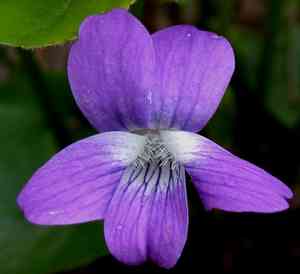
The Marsh blue violet is a lovely perennial recognized for its striking blue-purple flowers and heart-shaped foliage. It naturally thrives in wetlands, bogs, and damp woodlands. This plant is inherently adapted to filtered sunlight passing through tree canopies. Knowing its origins helps us replicate ideal conditions for it in our gardens.
Preferred Light Exposure
For optimal development, the Marsh blue violet requires indirect, filtered sunlight. Aim for 4 to 6 hours of partial shade daily. If planting outdoors, position it where it gets morning sun and afternoon shade. This balance promotes robust leaves and vibrant blooms without the risk of sun damage.
Managing Light and Shadow
Regarding light balance, excessive direct sun can be detrimental. If your garden area experiences strong sunlight, consider placing the Marsh blue violet beneath taller plants or trees. Alternatively, using shade cloth can help soften the sunlight. Achieving a balance between light and shade is vital to prevent leaf scorching while still providing enough light for photosynthesis.
Different Light Levels and Their Impact on Marsh Blue Violet
Full Sun Exposure
Exposing the Marsh blue violet to full sun, particularly during hot afternoon hours, can result in scorched leaves, wilting, and smaller blooms. If your garden is very sunny, ensure other plants or structures create shadows to filter the sunlight.
Partial Shade Exposure
Partial shade is ideal for the Marsh blue violet. It mimics the plant's native habitat where sunlight is gentle and diffused. You can achieve this by planting it in spots that receive morning sun followed by light shade in the afternoon. This helps the plant remain hydrated and vibrant.
Full Shade Exposure
While the Marsh blue violet can endure full shade, insufficient light can hinder its growth and reduce flowering. Leaves might become larger but will lack the healthy green color indicative of a well-balanced light environment. It's crucial to find a spot that offers intermittent sunlight.
Indicators of Improper Sunlight Exposure
Signs of Excessive Sun
If the Marsh blue violet is receiving too much sunlight, you might observe symptoms such as yellowing leaves, crispy leaf edges, and wilting during the hottest parts of the day. In severe cases, sunscald can appear as bleached or burned areas on the leaves.
Signs of Insufficient Sun
Conversely, too little sunlight can lead to leggy growth, a generally pale appearance of the foliage, and a reduction in blooming frequency. Watch for these indicators to promptly adjust the plant's light conditions.
Adjusting Sunlight for Marsh Blue Violet Seasonally
Spring and Summer Care
During spring and summer, when days are longer and sunlight is more intense, monitor the plant's exposure. Move potted Marsh blue violets to shadier spots during peak sunlight hours if necessary. For garden-grown plants, consider adding temporary shade using garden umbrellas or other structures.
Autumn and Winter Care
In autumn and winter, the sun is less intense, and days are shorter. This means the Marsh blue violet can tolerate slightly more light, so you might need to reposition it to ensure it still gets enough indirect sunlight. This seasonal adjustment helps maintain consistent growth and health.
Tips for Indoor Cultivation
Selecting the Right Location
Indoors, place the Marsh blue violet near a north or east-facing window where it can receive bright, indirect light. Avoid south or west-facing windows without proper filtering, as the light may be too strong. A sheer curtain can effectively diffuse direct sunlight.
Utilizing Artificial Lighting
If natural light is inadequate, especially during winter, consider supplementing with artificial grow lights. Position the lights about 12 to 18 inches (30 to 45 cm) above the plant and follow a schedule that mimics natural daylight hours to encourage healthy growth.



