How to Prune Marsh blue violet?
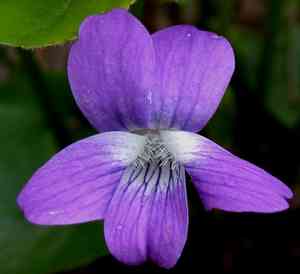
This humidity-loving perennial, distinguished by its cordate foliage and violet-blue blossoms, flourishes in conditions ranging from shade to dappled light. For marsh blue violet, trimming is most effective following its blooming period in late spring or summer to stimulate development and preserve its form. Removing faded flowers encourages subsequent flowering. Eliminate impaired or ailing leaves as required. Trimming is uncomplicated and benefits marsh blue violet by lowering the likelihood of illness and fostering robust, vibrant foliage. Always use sanitized tools for precise cuts to avert contamination.
What Are the Benefits of Pruning Marsh Blue Violet?
What Are the Benefits of Pruning Marsh Blue Violet?
Trimming marsh blue violet promotes robust development and helps maintain its desired form, ensuring both vitality and visual appeal. Regular cutting can prevent excessive growth, which preserves the plant's health and attractive structure.
What Is the Best Time for Pruning Marsh Blue Violet?
What Is the Best Time for Pruning Marsh Blue Violet?
Late spring and early summer are optimal periods for pruning marsh blue violet. This timing is selected as it coincides with the post-flowering phase. Marsh blue violet typically blossoms in early spring; pruning immediately after blooming allows gardeners to shape the plant without disrupting flower production. This schedule also enables marsh blue violet to recover from pruning cuts during its active growth stage, fostering vigorous development and ensuring the plant's energy is directed towards healthy new shoots. Furthermore, pruning in late spring or early summer helps avert diseases since weather conditions are less favorable for the proliferation of fungal pathogens that thrive in cooler, wetter climates.
What Tools Do I Need to Prune Marsh Blue Violet?
Bypass Pruners
Marsh blue violet is a small perennial, and bypass pruners will enable precise cuts without causing undue harm to its delicate stems. These pruners create clean cuts that heal quickly, helping to maintain the health of marsh blue violet.
Small Garden Scissors
Small garden scissors are perfect for snipping off dead or yellowed leaves from marsh blue violet. Their compact blades are ideal for reaching into dense foliage without disturbing nearby plants.
Hand Gloves
When trimming marsh blue violet, wearing gloves protects your hands from scrapes and keeps them clean. This is especially useful when marsh blue violet grows in boggy areas that might contain sharp debris.
How to Prune Marsh Blue Violet
Cleaning tools
Sanitize your pruning implements to prevent disease transmission. Use a solution of 1 part bleach to 9 parts water to disinfect your shears or scissors before starting the pruning process.
Remove diseased leaves
Inspect marsh blue violet for diseased leaves, which may exhibit spots or discoloration. Using your sanitized tools, carefully snip off affected leaves at their base, taking care not to damage healthy tissue.
Prune withered leaves
Identify any withered or dead leaves on marsh blue violet. These will often appear brown and dried out. Gently remove these leaves by cutting them at the base or carefully pulling them away if they detach easily.
Cut diseased stems
Look for any stems showing signs of disease, indicated by rot or unusual marks. Prune the diseased portion of the stems back to a healthy section, ensuring a clean cut to promote rapid healing.
Disposal
Dispose of all removed diseased or withered plant material far from marsh blue violet to prevent reinfection or the spread of pests. Never compost diseased plant parts.
Common Pruning Mistakes with Marsh Blue Violet
Overpruning
Removing too much foliage from marsh blue violet can stress the plant and may lead to reduced vigor and fewer blooms. Aim to prune sparingly, preserving the plant's natural shape and density.
Uneven cuts
Making jagged or uneven cuts can harm marsh blue violet and make it susceptible to diseases. Use sharp tools to ensure clean cuts that heal quickly.
Ignoring dead or diseased material
Failing to remove dead or diseased foliage can impede marsh blue violet's growth and spread pathogens. Regularly check for and prune away unhealthy material.
Pruning for shape only
Focusing solely on the shape of marsh blue violet during pruning can overlook its biological needs. Prune with the plant's health in mind, aiming to enhance air circulation and light penetration.
Common Pruning Tips for Marsh Blue Violet
Sharp tools
Always use sharp, sterilized pruning shears or scissors for marsh blue violet. This minimizes damage and prevents the spread of disease.
Selective thinning
Thin out marsh blue violet selectively to open up the plant's interior. This promotes air circulation and light access, encouraging healthy growth and flowering.
Attention to plant cycle
Recognize the growth cycle of marsh blue violet to prune at the right time, focusing on removing spent blooms and any crowded or crossing stems to invigorate the plant.
Post-flowering care
After marsh blue violet finishes blooming, prune it lightly to shape and to remove the old flowers. This can prompt a tidier appearance and may encourage a second bloom.



