How to Overwinter Marsh blue violet
1
Marsh blue violet tolerates cold and can endure freezing conditions.
2
The perfect indoor temperature for Marsh blue violet in winter ranges from 10°C-20°C (50°F-68°F).
3
Adequate mulching greatly improves Marsh blue violet's chances of survival through winter.
The Importance of Overwintering Marsh blue violet
Why is Overwintering Important for Marsh blue violet?
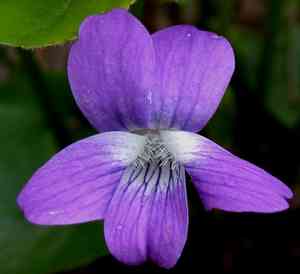
The Marsh blue violet is a lovely and resilient perennial that enhances many gardens with its delicate purple blooms. Protecting these plants through winter is vital for their flourishing and abundant flowering in the subsequent spring. Proper cold-season care minimizes plant stress and prevents damage from frost, dehydration, and disease. By following a few simple steps to overwinter your Marsh blue violet, you can ensure its health and vigor year after year.
Understanding Marsh blue violet's Hardiness
How Frost-Hardy is Marsh blue violet?
The Marsh blue violet is renowned for its robustness and handles cold weather quite well. It is considered 'hardy,' meaning it can endure freezing temperatures without significant harm. Despite its hardiness, providing appropriate care is still essential to ensure optimal growth and health during the colder months.
Optimal Winter Temperature Range for Marsh blue violet
When cultivating Marsh blue violet outdoors, it can withstand temperatures as low as -5°C (23°F). However, for indoor cultivation, maintaining an ambient temperature between 10°C-20°C (50°F-68°F) is ideal. This temperature range helps prevent dormancy stress and ensures the plant retains some growth activity to remain healthy until spring.
Preparing Marsh blue violet for Winter
Pruning and Cleaning Marsh blue violet
Before the first frost arrives, trim your Marsh blue violet to remove any dead or damaged foliage and stems. This tidying helps reduce the risk of disease and pests throughout winter. Always use clean, sterilized pruning shears to prevent pathogen spread.
Mulching Techniques for Marsh blue violet
Apply a layer of mulch around the plant's base, approximately 5-7 cm (2-3 inches) thick, using straw, shredded bark, or leaves. Mulching helps insulate the roots, retain soil moisture, and suppress weeds. Avoid piling mulch directly against the stem to prevent rot.
Watering Guidelines Before Winter
Thoroughly water your Marsh blue violet before the ground freezes. This ensures the roots have sufficient moisture to sustain the plant through winter. However, avoid overwatering, as waterlogged soil can lead to root rot.
Indoor Care for Marsh blue violet
Selecting the Right Container
If you plan to bring your Marsh blue violet indoors for winter, choose a container at least 20 cm (8 inches) in diameter with adequate drainage holes. This helps prevent waterlogging and ensures roots have ample space to grow.
Providing Sufficient Light and Humidity
Marsh blue violet thrives in bright, indirect sunlight. Position it near an east or south-facing window. Maintain indoor humidity around 40-50%, which can be achieved by placing a humidity tray near the plant or using a humidifier.
Potting Soil Mix and Fertilizer Requirements
Utilize a well-draining potting mix rich in organic matter. During winter, reduce fertilizer application to once every 6-8 weeks using a balanced, water-soluble fertilizer diluted to half strength. This helps maintain moderate growth without stressing the plant.
Common Overwintering Issues
Identifying and Treating Frost Damage
Frost damage manifests as blackened, wilted leaves and stems. If you observe these symptoms, prune the affected areas and add an extra layer of mulch for insulation. Consider relocating the plant to a more sheltered spot if frost is severe.
Winter Pest Control
Regularly inspect your Marsh blue violet for pests like aphids and spider mites, which can flourish indoors. Use insecticidal soap or neem oil to address infestations. Maintaining your plant's health with proper watering and humidity also deters pests.
Frequently Asked Questions About Overwintering Marsh blue violet
Can I Leave Marsh blue violet Outdoors All Winter?
Yes, you can leave Marsh blue violet outdoors if winter temperatures in your region do not drop below -5°C (23°F). However, provide ample mulching and, if possible, cover the plants with frost cloth during extreme cold snaps for better protection.
What to Do if Marsh blue violet Shows Signs of Stress?
If your Marsh blue violet exhibits yellowing leaves or slowed growth, check for proper watering and adequate light. Adjusting these conditions usually resolves stress symptoms. In some cases, applying a diluted liquid fertilizer may provide a beneficial nutrient boost.



