The Marsh blue violet Plant Advantage: Maximizing Home and Office Appeal and Wellness
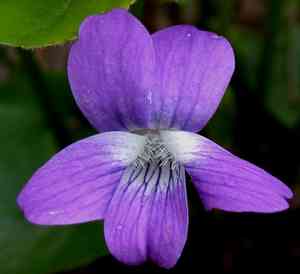
1
Marsh blue violet makes an excellent choice for your home garden because it thrives in diverse conditions.
2
This plant needs very little care, which is ideal for gardeners with limited time.
3
The bright blooms of Marsh blue violet can draw in helpful pollinators such as bees and butterflies.
Why Select Marsh Blue Violet for Your Garden?
Versatility Across Environments
Marsh blue violet flourishes in diverse settings, including wetlands, forests, and even urban landscapes. Its capacity to adapt makes it a flexible option for gardeners dealing with varied soil types and moisture levels. Whether your garden is arid or damp, Marsh blue violet can adjust and prosper, making it an effortless addition to nearly any outdoor space.
Minimal Upkeep Requirements
A key characteristic of Marsh blue violet is its low-maintenance nature. Unlike many plants needing constant care, watering, and fertilization, Marsh blue violet is largely self-sufficient. It can survive with little intervention, making it an excellent choice for busy individuals who lack time for extensive garden care. Simply plant it in a suitable spot, and it will mostly manage itself.
Ecological Advantages of Marsh Blue Violet
Supports Pollinator Populations
The vibrant, appealing flowers of Marsh blue violet are not only visually pleasing but also play a crucial role in sustaining local pollinator populations. Bees, butterflies, and other pollinators are drawn to its bright blooms, assisting in the pollination process. This, in turn, promotes biodiversity and helps maintain a healthy ecosystem in your garden.
Enhances Soil Quality
Marsh blue violet also contributes to soil health. Its root system aids in aerating the soil, allowing water and nutrients to penetrate deeper. This benefits not only the plant itself but also improves the overall soil quality, making it more welcoming for other plants. Additionally, it can help retain soil moisture, reducing the need for frequent watering and conserving water resources.
Aesthetic and Practical Applications of Marsh Blue Violet
Boosts Garden Visual Appeal
With its distinct heart-shaped leaves and delicate, violet-blue flowers, Marsh blue violet adds a touch of grace and color to any garden. It can be utilized as ground cover or as part of a mixed flower bed, creating visually attractive contrasts with other plants. Its design versatility allows for integrating Marsh blue violet into various garden styles.
Erosion Prevention
Marsh blue violet is also effective in preventing soil erosion. Its robust root system helps to stabilize the soil, especially on slopes and in areas prone to runoff. This makes it an excellent choice for gardens situated on uneven terrain or in regions experiencing heavy rainfall. By planting Marsh blue violet, you can protect your garden from erosion while also enjoying its beauty.
How to Successfully Grow Marsh Blue Violet
Ideal Growing Conditions
To ensure Marsh blue violet thrives, plant it in an area with partial to full shade. While it can tolerate some sun, it prefers filtered light conditions similar to its natural woodland habitat. Ensure the soil is well-drained and rich in organic matter. Applying mulch can help retain soil moisture and provide additional nutrients.
Propagation Methods
Marsh blue violet can be propagated via seeds, division, or cuttings. For seed propagation, sow the seeds in a prepared seedbed in the fall. If using division, separate the plant into smaller clumps and replant them, ensuring each clump has a healthy root system. For cuttings, take a robust stem and plant it in moist soil, where it will develop roots within a few weeks.
Common Issues and Their Solutions
Pest Management
While Marsh blue violet is generally resistant to many pests, it can occasionally be affected by aphids or slugs. Regular inspection and organic pest control methods, like introducing beneficial insects or using neem oil, can keep these pests in check.
Disease Prevention
Marsh blue violet is also susceptible to common plant diseases like powdery mildew or root rot if grown in overly wet conditions. To prevent these diseases, ensure proper spacing between plants to allow air circulation and avoid waterlogged soil by planting in well-drained areas.



