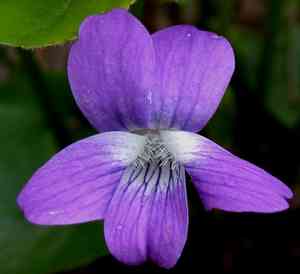
Marsh blue violet (Viola cucullata)
Also known as: Purple violet
Marsh blue violet, a charming wildflower native to eastern North America, typically thrives in the moist soils of prairies. The key feature that sets Viola cucullata apart from other "bearded" Viola species is that it has thick, rounded, and shorter hairs on its lower-side petals.
In This Article
Attributes of Marsh blue violet
Lifespan
Perennial
Plant Type
Herb
Plant Height
10 cm to 15 cm
Spread
20 cm
Leaf Color
Green
Flower Size
2.5 cm
Flower Color
White Purple Green Lavender
Images of Marsh blue violet
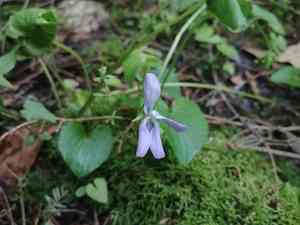
Quickly Identify Marsh blue violet
1
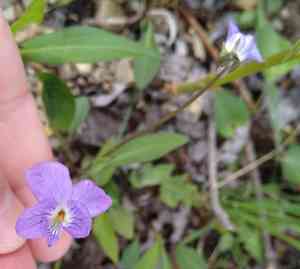
Long peduncles elevate blue-violet flowers above foliage.
2
Outer petals with club-tipped hairs distinguish lower petals.
3
Distinctive blue-violet petals with a darker, spurred lower lip.
4
Ovoid-oblongoid seed capsule autonomously splits at maturity.
5
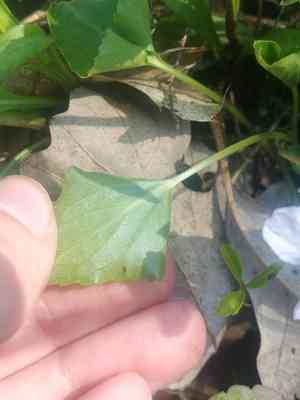
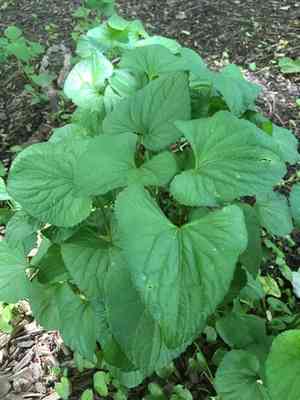
Heart-shaped leaves with prominent veins and pointed tips.
Scientific Classification of Marsh blue violet
Phylum
Vascular plants
Class
Dicotyledons
Order
Malpighiales
Family
Violet
Genus
Violets
Species
Marsh blue violet
Planting and Growing of Marsh blue violet
Care Difficulty
Easy
Watering Schedule
Every 3 days
Sunlight Requirements
Partial sun
Sunshine Duration
6-10 hours
Ideal Temperature
60-75℉
Soil Type
Potting Mix, Peat Mix
Soil pH
6.5-7.5
Fertilizer Type
Balanced
Pruning Season
Spring, Summer
Pruning Area
Branches, Leaves
Pruning Frequency
2 times a year
Repotting Season
Spring
Pot Type
Plastic, Ceramic
 How to Water Marsh blue violet?
For Viola cucullata, a consistent and balanced watering routine is crucial. The plant prefers soil that is consistently moist but not waterlogged. Water thoroughly to ensure the entire root system receives moisture, but avoid leaving standing water in the soil as it can lead to root rot. It's advisable to water until you see a bit of excess start to drain out the bottom of the container.
What are the symptoms of an underwatered Marsh blue violet?
›
What should I do if my Marsh blue violet is not getting enough water?
›
What are the symptoms of an overwatered Marsh blue violet?
›
How to save an overwatered Marsh blue violet?
›
 What Are the Sunlight Requirements for Marsh blue violet?
Thriving best in partial sun to full shade, ideal light ensures healthy blooms and foliage. Adequate light amplifies photosynthesis efficiency, thus elevating vitality and bloom quality.
More About Sunlight Requirements Techniques→
What is the best lighting condition?
›
How can I achieve ideal lighting?
›
What are the benefits of ideal lighting?
›
 What Is the Ideal Temperature Range for Marsh blue violet?
The ideal temperature range for growing Viola cucullata is between 60°F and 75°F. Within this range, the plant can thrive, showing strong vitality and healthy growth. The moderate climate provides an optimal environment for photosynthesis and other physiological processes. By maintaining these temperatures, you ensure that the plant has an increased resistance to pests and diseases, while promoting lush foliage and vibrant blooms.
 What Soil is Best for Marsh blue violet?
The soil should retain enough moisture to keep the plant hydrated but also drain well to prevent waterlogging. This balance ensures the plant roots do not rot and continue to absorb essential nutrients effectively. The soil should be rich in organic matter to provide a continuous supply of nutrients. This richness supports vibrant growth and flowering, ultimately enhancing the plant's resilience against pests and diseases. Proper soil structure that allows for air exchange is crucial for the roots to access oxygen and facilitate soil microorganism activity. This condition helps stimulate root development, leading to a healthier plant overall.
 How to Fertilize Marsh blue violet?
When fertilizing Viola cucullata, use a balanced, water-soluble fertilizer diluted to half strength. Typically, apply around 1/4 teaspoon of fertilizer per gallon of water. This ensures the plant receives nutrients without risk of burning its roots, promoting healthy growth and vibrant blooms.
 How to Prune Marsh blue violet?
Begin by cutting away any dead or dying leaves and flowers. This step is essential to prevent the plant from expending energy on non-viable parts and to help it channel resources on healthy growth. Trim back any overgrown sections to shape the plant as desired. Focus on maintaining a compact, bushy appearance which will enhance both the aesthetics and health of Viola cucullata by encouraging denser foliage. When pruning, make cuts just above a leaf node or junction to encourage new growth. This method helps ensure that new shoots will develop from these points, promoting a fuller and more vibrant growth pattern.
More About Pruning Techniques→
 How to Propagate Marsh blue violet plant?
1
Before planting seeds or divisions, prepare a well-drained soil mix. A combination of peat moss, vermiculite, and perlite works well, as it provides the necessary drainage and aeration. Ensure the soil is evenly moist but not waterlogged.
2
Scatter seeds on the surface of the prepared soil, pressing them gently to ensure good seed-to-soil contact. Do not cover them with soil, as light aids germination. Maintain consistent moisture by misting the soil regularly.
3
Dig up mature Viola cucullata plants, carefully shaking off excess soil. Use a sharp knife to divide the root ball into sections, each with its roots and shoots. Replant divisions immediately at the same depth as the original plant.
 How to Repot Marsh blue violet plant?
1
Viola cucullata should be repotted when you notice roots are circling the inside of its pot or emerging from its drainage holes. It indicates that the plant is root-bound and needs more space to thrive.
2
Choose a pot slightly larger than the current one with good drainage holes. This allows for natural irrigation, prevents root rot, and offers adequate space for the roots to expand.
3
Select a well-draining, loamy mix for repotting Viola cucullata. This soil type ensures that the plant receives enough water without becoming waterlogged, providing essential nutrients for healthy growth.
Learn More About Marsh blue violet Diseases
Anthracnose
Bacterial Leaf Spot
Bacterial Soft Rot
Bacterial Wilt
Black Spot
Chemical Injury
Damping-off
Downy Mildew
Drought Stress
Fusarium Wilt
Gray Mold
Leaf Curl
Leaf Spot
Mosaic
Nutrient Deficiency
Nutrient Toxicity
Powdery Mildew
Root Rot
Root-knot Nematode
Rusts
Sooty Mold
Spider Mites
Temperature Stress
Thrips Damage
White Mold



