How Much Sunlight Do Early blue violet Need?
1
Early blue violet flourishes in locations receiving over 6 hours of direct sunlight.
2
Partially shaded areas can also suit Early blue violet, though flowering might be affected.
3
Shield Early blue violet from intense midday sun to prevent leaf burn.
Optimal Sunlight for Early Blue Violet?
Understanding Illumination Needs
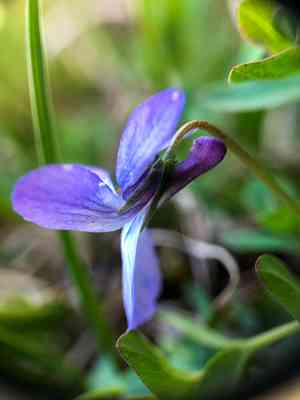
The Early blue violet, a charming plant known for its delicate blue blossoms, thrives best with ample sunlight. Ideally, these plants are happiest in full sun conditions, meaning at least 6 hours of direct sunlight daily. This amount of light not only encourages more prolific blooming but also maintains healthy, robust foliage. While they can endure partial sun, receiving about 3-6 hours of direct sunlight, this is less ideal and may result in fewer flowers.
Selecting the Best Location for Early Blue Violet?
Natural Light Conditions
When planting or positioning your Early blue violet, it's vital to choose a spot that meets its light requirements. Gardens that receive morning sun and afternoon shade are perfect, allowing the plant necessary light without overexposure during the day's hottest period. South or west-facing windows are excellent indoor locations. These positions ensure the plant absorbs sufficient light for vibrant growth and flowering.
Supplementing with Artificial Illumination
For those growing Early blue violet indoors or in suboptimal natural light, supplementing with artificial light can be very beneficial. Utilize full-spectrum grow lights if natural light is scarce; ensure these lights are active for approximately 12-16 hours daily. Position the grow lights about 30-45 cm (12-18 inches) above the plants to mimic the sun's light, aiding in maintaining the growth cycle and facilitating effective photosynthesis.
Effects of Excessive Sun on Early Blue Violet?
Indicators of Overexposure to Sunlight
Exposing Early blue violet to too much direct sun, especially during peak hours (12 PM - 4 PM), can cause several problems. Common signs include browning or scorched leaves, faded flowers, and wilted stems. Intense sunlight can lead to rapid moisture loss, resulting in sunburn and overall plant stress.
Preventing and Treating Sun Damage
To safeguard your Early blue violet from excessive sun, consider using shade cloths or relocating potted plants during the hottest part of the day. If you observe signs of sunburn, trim off damaged leaves and ensure the plant is adequately watered. Recovering plants might benefit from a temporary move to a partially shaded area until new growth emerges. Consistent monitoring and prompt action can help prevent severe harm.
Caring for Early Blue Violet in Dim Light?
Symptoms of Insufficient Light
When Early blue violet doesn't receive enough light, it displays specific indicators such as leggy growth, pale or yellowing leaves, and a noticeable reduction in blooming. The plant may stretch towards the light source, leading to weak and spindly stems.
Enhancing Light Exposure
To improve light levels for your Early blue violet, you can move it to a brighter area or use reflective surfaces to maximize available light. As previously mentioned, incorporating artificial grow lights can effectively boost light conditions. Regularly rotating the plant ensures even light distribution, reducing the risk of uneven growth. Balancing light exposure is crucial for maintaining a healthy and vigorous Early blue violet.



