Enhancing Your Garden Design with the Early blue violet Plant: A Landscaping Guide
1
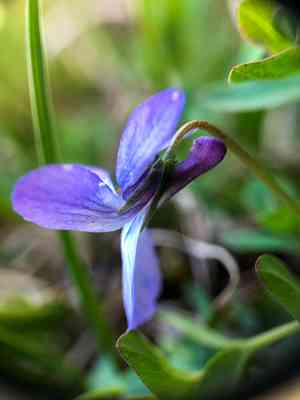
The early blue violet provides striking natural aesthetics that can enhance any garden's appearance.
2
This flora is remarkably adaptable and blends seamlessly into diverse garden layouts.
3
Beyond its visual appeal, the early blue violet also contributes significantly to sustaining local fauna.
Introducing Early Blue Violet to Your Landscape
Overview of Early blue violet's visual appeal and characteristics
Early blue violet is celebrated for its delicate, attractive blooms that can elevate any garden's charm. Its vivid hue and distinct shape make it an excellent choice for gardeners aiming to introduce a lively element to their outdoor spaces. The plant's aesthetic qualities are not only pleasing but also adaptable to various garden styles, from rustic country settings to sleek, modern designs.
Importance of integrating Early blue violet into contemporary landscapes
In today's landscaping, Early blue violet is vital for adding depth and personality to garden layouts. Its ability to flourish in diverse environmental conditions makes it a practical option for sustainable gardening. This plant can transform ordinary garden areas into visually captivating spots, offering both utility and beauty. Its inclusion highlights the growing trend of incorporating native plants into modern landscapes, promoting ecological balance and biodiversity.
Advantages of Using Early blue violet in Your Garden
Natural beauty and enhanced color
The inherent beauty of Early blue violet lies in its capacity to bring vibrant color and lush foliage to your garden. Its flowers can serve as natural accents, providing a splash of color that complements other garden features. This enhancement not only boosts the garden's visual appeal but also fosters a peaceful and inviting atmosphere, making your outdoor area more enjoyable.
Effortless integration with other plant species
Early blue violet blends seamlessly with other plant varieties, making it an ideal choice for any garden environment. Its adaptable nature ensures it doesn't dominate or compete with nearby plants, allowing for harmonious coexistence. This ease of integration means gardeners can readily achieve a balanced and cohesive garden design that utilizes the strengths of various plants to create a unified look.
Ecological benefits, such as attracting pollinators
A compelling reason to include Early blue violet in your garden is its ecological advantages. This plant draws in various pollinators like bees and butterflies, contributing to the overall health of your garden ecosystem. Furthermore, it offers habitat and food sources for local wildlife, supporting biodiversity and nurturing a rich, natural environment right in your yard.
Design Concepts Featuring Early blue violet
Creating garden focal points with Early blue violet
Early blue violet can serve as a stunning centerpiece in your garden design. By positioning it strategically, such as in the middle of flower beds or along pathways, you can highlight its beautiful blooms and rich foliage. This approach not only enhances the garden's aesthetic but also provides a central theme around which other design elements can be arranged.
Patterns and color contrasts achievable with Early blue violet
The vibrant flowers of Early blue violet allow for imaginative design choices, such as forming patterns and achieving striking color contrasts. By pairing Early blue violet with plants of complementary or contrasting hues, you can create visually exciting and dynamic garden sections. These patterns can guide the eye through the garden, offering a continuously engaging experience for visitors.
Combining Early blue violet with hardscape elements
Integrating Early blue violet with hardscape features like stone paths, wooden trellises, or water elements can amplify both the plant's impact and the overall garden design. The contrast between natural beauty and man-made structures creates a balanced aesthetic that appeals to a wide range of garden enthusiasts. This combination allows gardeners to experiment with textures and forms, ultimately achieving a sophisticated and refined appearance.
Maintaining Early blue violet in Landscapes
Fundamental practices for ensuring Early blue violet's health
To ensure Early blue violet thrives in your garden, consistent care practices are crucial. This includes appropriate watering, ensuring the soil drains well, and occasional pruning to maintain its shape and encourage new growth. Fertilizing with a balanced, organic feed can also support its health by supplying essential nutrients.
Seasonal maintenance advice
Seasonal care for Early blue violet involves adjusting practices to meet the plant's needs throughout the year. During spring and summer, Early blue violet may require more frequent watering and pest monitoring. In autumn and winter, it's vital to protect the plant from extreme cold by applying mulch around its base and ensuring it's in a sheltered spot. These seasonal adjustments ensure Early blue violet remains robust and vibrant year-round.



