How to Overwinter Early blue violet
1
Early blue violet tolerates frost well and endures low temperatures.
2
Applying mulch safeguards Early blue violet roots against severe cold.
3
Ensuring suitable indoor environments can enhance Early blue violet's winter survival.
Understanding Early blue violet's Winter Needs
Understanding Early blue violet's Winter Needs
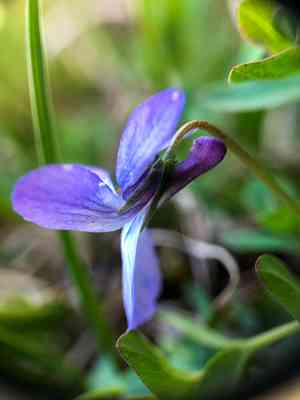
The Early blue violet is a charming plant known for its delicate, violet-blue flowers. Native to various regions of North America, it thrives in both indoor and outdoor settings. Understanding the specific winter needs of Early blue violet is crucial for ensuring its survival and optimal growth during the colder months. This plant is perennial, meaning it can live for several years, but proper care is essential, especially during winter.
Preparing Early blue violet for Winter
Assessing Plant Health
Before the winter season sets in, it's essential to assess the overall health of your Early blue violet. Look for signs of disease or pest infestations and address these issues promptly. Healthy plants are more likely to survive and thrive during harsh weather conditions.
Pruning and Cleaning
Pruning the Early blue violet is an important step in preparing it for winter. Remove any dead or diseased foliage to prevent potential overwintering of pests and diseases. Cleaning up the plant will also help redirect energy to the healthier parts, enabling better growth and resilience throughout the winter.
Watering Requirements
While overwatering during winter can be detrimental, keeping the soil moderately moist is crucial. Ensure the soil is well-drained to avoid waterlogging. Typically, watering once every two weeks, or when the top 2-3 cm (1 inch) of soil is dry, should suffice.
Mulching for Cold Protection
Mulching is one of the most effective ways to protect Early blue violet roots from extreme cold. Apply a 5 to 7.5 cm (2-3 inches) layer of organic mulch, such as straw or wood chips, around the base of the plant. This layer will insulate the roots and maintain a more stable soil temperature.
Indoor Care Tips for Early blue violet
Choosing the Right Spot
If overwintering Early blue violet indoors, select a spot that receives ample indirect sunlight. A south-facing window is ideal. Avoid placing the plant near drafts or heating vents, as sudden temperature changes can stress the plant.
Maintaining Humidity Levels
Winter air can be dry, which can affect the Early blue violet. Use a humidifier or place a tray of water near the plant to increase humidity levels. Misting the plant occasionally can also help maintain the required moisture level.
Monitoring for Pests and Diseases
Indoor conditions can sometimes lead to pest infestations or diseases. Regularly inspect your Early blue violet for any unusual signs such as discolored leaves or webbing. Early detection and treatment of issues will ensure the plant remains healthy throughout the winter.
Outdoor Care Tips for Early blue violet
Best Mulching Practices for Outdoors
As previously mentioned, mulching with organic materials is vital for outdoor Early blue violet. Renew the mulch layer as needed to keep it effective throughout the winter. Ensure the mulch does not touch the stem of the plant, as this can rot the base.
Protecting Against Extreme Weather
During extremely cold periods, consider using row covers or plant blankets to shield Early blue violet from harsh winds and frost. Ensure that these covers provide adequate ventilation to prevent mold growth.
Winter Watering Techniques
During winter, water the plant sparingly. Check the soil moisture before watering, ensuring it is not already waterlogged. Overwatering can lead to root rot, which is detrimental during the cold season.



