How to Prune Early blue violet?
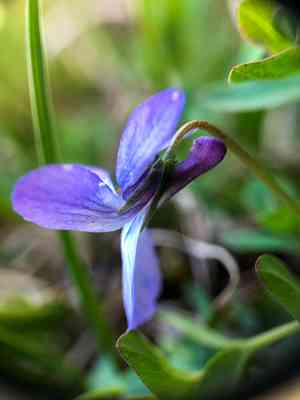
This indigenous perennial is recognized for its vivid, profound blue to violet blossoms and cordate foliage. To preserve the plant's well-being, trim early blue violet by removing faded flowers consistently throughout its blooming period to foster renewed flowering and general robustness. Always use sanitized implements for precise cuts to avert illness. The ideal period for trimming spans from late spring to summer, aligning with early blue violet's vigorous development. Pruning not only incites fresh development but also aids in managing its proliferation within cultivated areas, contributing to a neat aesthetic.
Advantages of Trimming Early Blue Violet
Advantages of Trimming Early Blue Violet
Trimming early blue violet promotes robust development and maintains an attractive form. Strategic cutting back can encourage fresh, healthy shoots and prevent excessive growth, ensuring early blue violet flourishes optimally.
Optimal Time for Pruning Early Blue Violet
Optimal Time for Pruning Early Blue Violet
Pruning or trimming early blue violet in late Spring after its flowering period helps preserve its shape and fosters healthy development. Early Summer pruning assists in preventing overcrowding and enhances air circulation, which can lessen the occurrence of fungal issues. These periods align with early blue violet's active growth phase, allowing it to recover swiftly from pruning stress and to form buds for the subsequent flowering season. Avoid pruning in late fall or winter as early blue violet is dormant then, and new growth might not have sufficient time to toughen before cold temperatures.
Necessary Tools for Pruning Early Blue Violet
Hand Pruners
Perfect for cutting early blue violet's delicate stems without causing undue harm to the plant.
Scissors
Suitable for snipping off dead or yellow leaves, ensuring precision within early blue violet's dense growth pattern.
Gloves
Essential for protecting the gardener's hands while handling early blue violet, providing grip and preventing potential skin irritation.
How to Prune Early Blue Violet
Sanitize
Before you begin pruning early blue violet, cleanse your pruning tools with a bleach and water solution to prevent disease transmission.
Remove Diseased Leaves
Carefully snip off any diseased leaves from early blue violet at the point where the leaf stem meets the main plant. Use sharp, sanitized scissors or pruners to make clean cuts without tearing the plant tissue.
Remove Withered Leaves
Identify withered or dead leaves on early blue violet. Snip these leaves off at the base of the leaf stem, taking care not to harm nearby new growth or flower buds.
Cut Diseased Stems
If you discover any diseased stems, cut them back to healthy tissue. If the entire stem is affected, remove it at the base, cutting just above a leaf node or rosette to encourage vigorous new growth.
Dispose
Discard all removed plant material away from early blue violet to minimize disease risk. Do not compost diseased parts as they may harbor pathogens.
Common Pruning Errors with Early Blue Violet
Over Pruning
Removing too much foliage at once can stress early blue violet, potentially leading to reduced vigor and fewer blooms.
Pruning Active Growth
Cutting back early blue violet during its active growth phase can disrupt its natural cycle and impact flowering.
Incorrect Cut Placement
Making cuts too far from a bud or too close can either stimulate unwanted growth or damage the bud, negatively affecting early blue violet's shape and health.
Ignoring Dead Material
Failing to remove dead or diseased material can attract pests and diseases, impeding early blue violet's overall health and aesthetic appeal.
Pruning Too Early
Pruning before early blue violet has completed its blooming can result in the loss of potential flowers for that season.
Neglected Tool Maintenance
Using dull or dirty tools can create jagged cuts that are more prone to disease and may not heal properly, impacting early blue violet's well-being.
General Pruning Advice for Early Blue Violet
Selective Pruning
Target only spent flowers, dead or diseased foliage, and any weak or excessive growth to maintain early blue violet's form and encourage healthy development.
Sharp Clean Tools
Always use sharp and clean pruning tools to make precise cuts that early blue violet can quickly recover from and to prevent disease spread.
Prune After Flowering
Early blue violet's specific growth habits necessitate pruning after flowering has ceased to ensure the plant's energy is directed towards healthy new growth.
Mulching
After pruning, apply a layer of mulch around early blue violet to help retain moisture, regulate soil temperature, and suppress weeds.
Encourage New Growth
Lightly prune early blue violet to stimulate new growth and promote denser foliage; this can also help maintain a more compact and manageable shape.
Consistent Monitoring
Regularly inspect early blue violet for signs of dead or damaged stems and remove them promptly to maintain plant health and prevent potential problems from spreading.



