How Much Sunlight Do Culver's root Need?
1
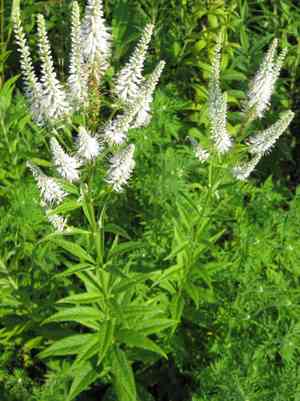
Culver's root flourishes optimally in bright sunlight, needing a minimum of 6 hours of direct sun each day.
2
While Culver's root can endure some shade, this might lead to a reduction in flower production.
3
Proper placement of Culver's root in your garden can significantly enhance its development and blooming capacity.
What is the Optimal Solar Exposure for Culver's root?
Full Sun Requirements
Culver's root thrives in complete sunlight, meaning it needs at least six hours of direct solar radiation daily. This level of light exposure guarantees the plant obtains the energy necessary for photosynthesis, promoting robust development and abundant blooms. Positioning your Culver's root where it gets ample sunlight encourages strong flowering and a sturdy form, making it a vital part of its care regimen.
Partial Shade Tolerance
While Culver's root prefers full sun, it also exhibits some capacity to endure partial shade. In garden areas where consistent full sunlight is unavailable, the plant can still grow, though expect fewer flowers. Morning sun combined with filtered afternoon shade can be a good compromise, particularly in hotter climates where intense sun might be too harsh.
How to Maximize Sunlight for Culver's root?
Choosing the Right Location
Selecting an appropriate spot for Culver's root is essential for realizing its full growth potential. Aim for a garden area that receives uninterrupted sunlight for most of the day. Avoid shadows cast by taller plants or structures that might block light. Placing your Culver's root on the south or west side of your garden can typically ensure it gets the required sunlight, providing ideal conditions for photosynthesis.
Seasonal Sunlight Adjustments
Seasonal variations can significantly affect the amount of sunlight your Culver's root will receive. During spring and summer, when the sun is higher, your plant will naturally get more direct sunlight. However, as autumn and winter arrive, sunlight may diminish. To account for these changes, consider pruning overgrown plants or relocating potted Culver's root to a brighter spot to maximize exposure to available light during darker months.
Common Sunlight Issues for Culver's root
Signs of Insufficient Sunlight
Not receiving enough sunlight is detrimental to Culver's root, evident through several key indicators. Plants may become leggy and weak, stretching towards available light sources, a behavior known as etiolation. Leaves might turn pale or yellowish due to inadequate chlorophyll production. Furthermore, flower production will be minimal or absent, significantly impacting the plant's aesthetic value.
Managing Excessive Sunlight Exposure
Conversely, too much sunlight can also create problems for Culver's root, especially in regions with intense summer sun. Symptoms of excessive sunlight include scorched foliage, wilting despite sufficient watering, and browning at the leaf edges. If you observe these signs, it might be beneficial to provide some shade during peak sunlight hours using garden cloths or by placing the plant in a location with natural afternoon shade.
Can Culver's root Thrive in Low-Light Conditions?
Adapting to Indoor Environments
Typically flourishing outdoors, Culver's root can adjust to indoor settings with proper care. For indoor cultivation, position the plant near a south-facing window where it can receive ample light. Rotate the plant periodically to ensure uniform light distribution and prevent uneven growth. This adaptation can help maintain the indoor plant's health and vibrancy.
Supplemental Lighting Options
If natural light is scarce, particularly indoors, supplementary lighting can make a considerable difference. Utilize grow lights that mimic the natural sunlight spectrum, placing them approximately 6 to 12 inches (15 to 30 cm) above the plant. LED grow lights are an energy-efficient choice, delivering the necessary light intensity without excessive heat. Aim for about 12-16 hours of artificial light daily to meet Culver's root's solar requirements.



